Failed transfers and falling values create major crisis for African footballers
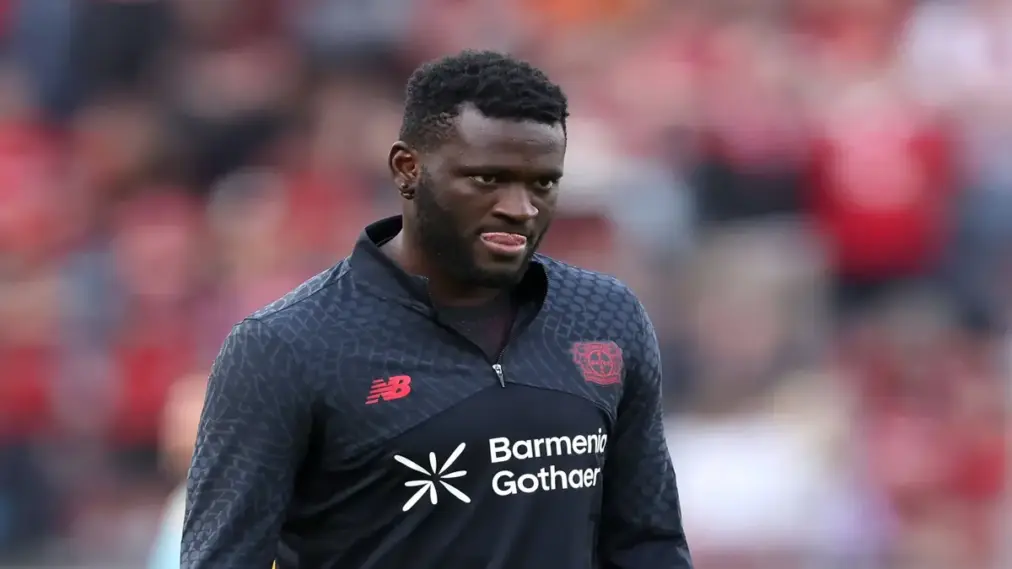
Several African footballers who once appeared destined for major career breakthroughs are now facing uncertain futures after failed transfers, injury setbacks and declining market value reshaped their seasons across Europe.
What promised to be defining moments in the careers of some of the continent’s biggest names instead became periods of frustration, stalled progress and growing doubts about their next move.
From complicated negotiations to injuries and difficult sporting decisions, a number of high-profile African internationals have experienced how quickly fortunes can change at the highest level of football.
The current campaign has exposed the fragile balance between talent, timing and career management in Europe’s elite leagues, where a single unsuccessful transfer or prolonged loss of form can dramatically alter a player’s trajectory.
Yoane Wissa’s interrupted rise
Yoane Wissa’s situation highlighted how quickly a promising transfer can collapse under difficult circumstances.
The Congolese forward had been linked with a move to Newcastle, but the transfer ultimately failed to materialise.
While financial disagreements played a role, concerns surrounding the player’s physical condition became increasingly significant after a serious ankle injury suffered shortly after his arrival.
The injury raised doubts about whether Wissa could immediately perform at the demanding physical level required by a club competing near the top of the Premier League.
For a period, uncertainty surrounding his recovery threatened to derail the momentum he had built through his performances.
Questions emerged about whether he would regain the explosiveness and attacking sharpness that had made him one of the most exciting forwards linked with a major move.
However, Wissa eventually responded positively through rehabilitation and managed to overcome fears surrounding his long-term fitness.
His case nevertheless remains an example of how fragile transfer opportunities can become when injuries arrive at crucial moments in a player’s career.
Ademola Lookman’s complicated summer
The situation involving Ademola Lookman became one of the most discussed transfer stories surrounding African footballers during the season.
After impressing with Atalanta, the Nigerian international attempted to secure a move to Bayern Munich during the summer transfer window.
The proposed transfer failed to materialise, leaving the player in a difficult position after tensions reportedly developed during negotiations.
Instead of strengthening his standing among Europe’s elite clubs, the unresolved situation appeared to affect both his sporting momentum and market value.
According to the reports surrounding the player, his valuation dropped significantly after the failed move.
Lookman’s experience illustrates the risks players face when transfer negotiations become prolonged or publicly complicated.
A transfer initially viewed as a major step forward instead created uncertainty about his long-term future.
Despite those difficulties, the Nigerian forward remains linked with Atletico Madrid, showing that interest in his qualities has not completely disappeared.
Victor Boniface facing difficult period
Victor Boniface has also endured a complicated season after previously enjoying a rapid rise in European football.
The Nigerian striker, who had once attracted growing attention from top clubs, is now facing questions over form and consistency.
After a strong emergence at Bayer Leverkusen, expectations surrounding Boniface rose quickly.
However, the physical and mental demands of consecutive intense seasons appear to have affected the striker’s performances.
Interest from major Premier League clubs has reportedly cooled as concerns over consistency and physical condition increased.
For a player once considered capable of securing a record transfer, the drop in momentum represents a major setback.
His situation reflects how quickly competition at the highest level can shift, especially when new talents continue emerging across European football.
Ismaël Bennacer’s difficult recovery
In midfield, Ismaël Bennacer’s recent situation has highlighted the long-term impact injuries can have on even the most respected players.
The Algerian international had previously established himself as one of the leading midfielders in European football during his time with AC Milan.
But difficulties returning to his best physical condition after injury significantly changed the direction of his career.
Unable to consistently rediscover his earlier level, Bennacer accepted a move away from Europe’s major leagues in search of regular football and stability.
For many observers, the development marked a sharp contrast to the player’s standing only a few seasons earlier.
Once regarded among Europe’s elite midfield orchestrators, Bennacer now faces the challenge of rebuilding both rhythm and confidence.
Pressure growing on African stars
The current season has underlined how quickly reputations can change in elite football.
Players such as Yves Bissouma have also experienced difficult moments, including periods on the sidelines and growing uncertainty surrounding their future roles.
The experiences of these footballers show the importance of timing, career planning and support structures in modern football.
A single unsuccessful season can now significantly affect transfer value, sporting reputation and future opportunities.
For many African stars approaching the next transfer window, the challenge will be finding the right environment to restart momentum and avoid another campaign dominated by uncertainty.
Despite the setbacks, several of these players still possess the quality and experience needed to recover.
Their next decisions may ultimately determine whether this difficult season becomes a temporary obstacle or a defining turning point in careers that once seemed destined only for further success.
-
 Yan Diomande scores stunning goal as Real Madrid beat RB Leipzig 4-1 Oct 22, 2026
 -
Champions League: Real Madrid and Como win as Bayern Munich and Arsenal draw Oct 22, 2026
-
Inter Milan hold off Shakhtar Donetsk to claim first Champions League win Oct 22, 2026
-
Morocco make futsal history with fourth straight Africa Cup of Nations title Oct 22, 2026



-
AFCON 2025: Fixtures, Results, Scores and Standings Jan 18, 2026
-
Match hero Taiwo Awoniyi reflects on team effort after Chelsea triumph May 5, 2026
-
Leadership and long-term vision key to rescuing Zamalek and inspiring Egyptian football – Hany Abou Rida Nov 5, 2025
-
South African giants Orlando Pirates set to lose influential forward Monnapule Saleng Mar 19, 2025




-
PSG v Barcelona: fiery attacks set up Champions League classic at Parc des Princes Oct 18, 2026
-
Champions League: PSG beat Barcelona as Liverpool complete comeback against Villarreal Oct 20, 2026
-
Real Betis v Barcelona: kick-off time, TV details and match preview Oct 16, 2026
-
PSG beat Barcelona 4-2 in Champions League thriller Oct 21, 2026