Iraq return after 40 years with a nation dreaming of a new chapter
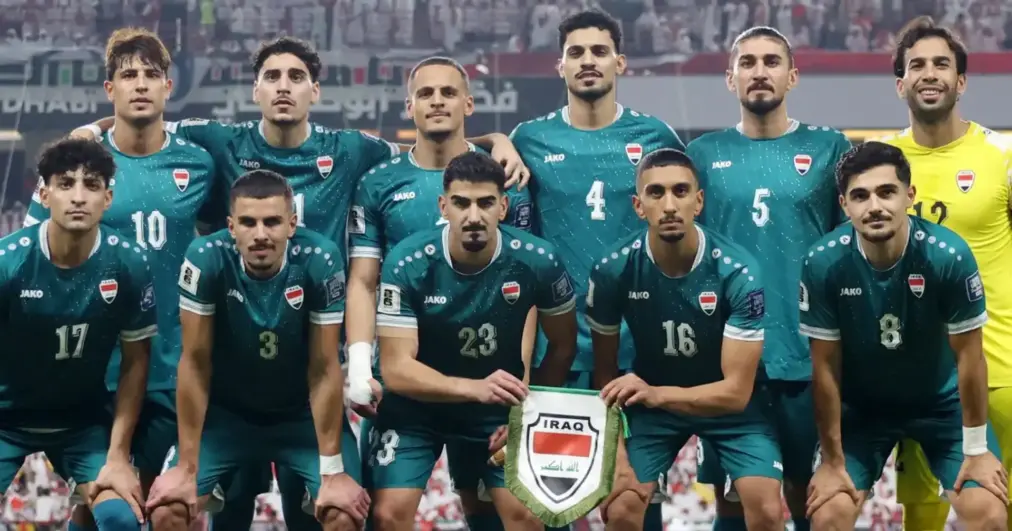
Forty years after their only previous appearance on football’s biggest stage, Iraq are preparing to return to the FIFA World Cup with renewed belief and the hope of creating a new piece of history.
For supporters across the country, qualification for the 2026 tournament represents far more than a sporting achievement.
It marks the end of a four-decade wait and offers a fresh opportunity for the national team, known as the Lions of Mesopotamia, to measure themselves against the world’s leading football nations.
While Iraq are not among the favourites heading into the competition, their return has generated considerable excitement among fans eager to see how the team performs on the international stage.
The journey to North America was a memorable one.
Iraq secured qualification from the Asian region and claimed the final place available at the expanded 48-team tournament.
The achievement ensured the national team would compete in the World Cup finals for only the second time in its history.
For many Iraqi supporters, the moment carried special significance because it ended a long absence stretching back to 1986.
That year remains an important reference point in the country’s football history.
At the World Cup in Mexico, Iraq made its tournament debut but was unable to progress beyond the group stage.
Defeats against Mexico, Paraguay and Belgium brought their campaign to an early conclusion.
However, the tournament still produced a landmark moment.
Iraq scored its first-ever World Cup goal during the match against Belgium, a feat that remains one of the most memorable achievements from the nation’s only previous appearance at the competition.
Now, four decades later, a new generation of players has the chance to write its own story.
Leading that challenge is Australian coach Graham Arnold.
Arnold arrived in Iraq after guiding Australia to the Round of 16 at the 2022 World Cup.
Following his departure from the Australian national team during the 2026 qualification cycle, he accepted the opportunity to take charge of Iraq.
His commitment quickly earned admiration from supporters.
Arnold chose to live in Iraq in order to follow domestic football more closely and gain a deeper understanding of the country’s football culture.
That decision helped strengthen his relationship with fans and players alike.
His task now is to guide Iraq through one of the most demanding tournaments in international football.
Much of the team’s hopes will rest on the shoulders of striker Aymen Hussein.
The 30-year-old forward remains one of Iraq’s most influential players despite a club career that has taken him through several countries, including Qatar, Tunisia and Morocco.
Known for his physical presence, aerial strength and ability to lead the attack, Hussein played a decisive role during qualification.
He scored nine goals on Iraq’s route to the World Cup and delivered the goal that proved decisive against Bolivia.
Although he is not regarded as the most technically gifted striker, his effectiveness in front of goal has made him one of the first names on the team sheet.
Alongside Hussein, Iraq will rely on a squad blending experience and emerging talent.
Captain Jalal Hassan brings leadership and experience in goal, while players such as Zidane Iqbal, Ibrahim Bayesh and Amir Alammari provide options in midfield.
In attack, Ali Alhamadi, Mohanad Ali, Ahmed Qasim and Ali Jasim add further depth as Iraq prepare to face some of the strongest teams in the tournament.
The defensive unit includes Rebin Ghareeb, Hussein Ali, Zaid Tahseen, Akam Hashim, Munaf Younus, Ahmed Yahya, Merchas Doski, Mustafa Saadoon and Frans Putros.
Goalkeeping responsibilities will be shared between Fahad Talib, Jalal Hassan and Ahmed Basil.
As a squad, Iraq may lack the international profile of some of their rivals, but qualification itself demonstrated resilience and determination.
The challenge awaiting them in the group stage is significant.
Iraq will begin their campaign against Norway on 17 June before facing one of the tournament favourites, France, on 23 June.
Their final group match comes against Senegal on 27 June.
Those fixtures present a demanding test, with all three opponents possessing players who compete at the highest levels of European football.
Yet Iraq’s return to the World Cup is already a landmark moment.

Founded in 1950, the Iraqi Football Association has witnessed generations of players dream of competing on football’s grandest stage.
The nation has produced iconic figures such as Younis Mahmoud, who holds the record for most appearances with 148, and Hussein Saeed, the country’s all-time leading scorer with 78 goals.
The current squad now has an opportunity to add its own chapter to that legacy.
Ranked 57th in the FIFA rankings released in April 2026, Iraq arrive at the tournament as outsiders.
But the history of the World Cup has often shown that expectations do not always determine outcomes.
For the Lions of Mesopotamia, the objective is simple: seize the opportunity that comes with a long-awaited return and show that Iraqi football belongs on the world stage once again.
Iraq’s 2026 World Cup squad
Goalkeepers
- Fahad Talib
- Jalal Hassan
- Ahmed Basil
Defenders
- Rebin Ghareeb
- Hussein Ali
- Zaid Tahseen
- Akam Hashim
- Munaf Younus
- Ahmed Yahya
- Merchas Doski
- Mustafa Saadoon
- Frans Putros
Midfielders
- Youssef Amyn
- Ibrahim Bayesh
- Zidane Iqbal
- Amir Alammari
- Kevin Yakob
- Aimar Sher
- Zaid Ismael
Forwards
- Ali Alhamadi
- Mohanad Ali
- Ahmed Qasim
- Ali Yousif
- Ali Jasim
- Aymen Hussein
- Marko Farji
Manager
- Graham James Arnold
Popular News



-

AFCON 2025: Fixtures, Results, Scores and Standings
Jan 18, 2026 -
Leadership and long-term vision key to rescuing Zamalek and inspiring Egyptian football – Hany Abou Rida
Nov 5, 2025 -
South African giants Orlando Pirates set to lose influential forward Monnapule Saleng
Mar 19, 2025 -
Full schedule for 2025 Africa Cup of Nations in Morocco confirmed
Feb 12, 2025




-
Mohamed Ouahbi explains Sofiane Boufal omission from Morocco’s World Cup squad and reveals emergency plan
May 27, 2026 -
Jamaica set up Unity Cup final showdown with Nigeria after disciplined win over India
May 28, 2026 -
World Cup 2026: Complete Group C fixture guide, team analysis and qualification predictions
May 27, 2026 -
Morocco begin new World Cup era under Mohamed Ouahbi
May 28, 2026