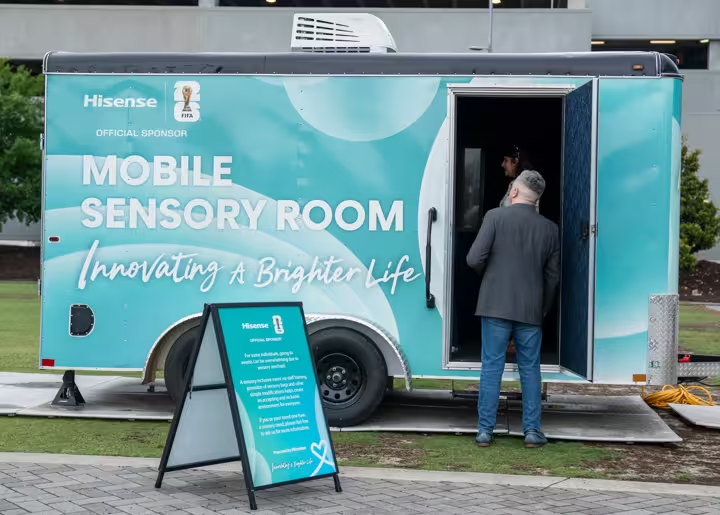
The FIFA World Cup 2026™ has become the first sports tournament in history to receive Sensory Inclusive recognition from non-profit organisation KultureCity, marking a major milestone in accessibility and inclusion ahead of the global football showpiece.
The tournament, which kicks off in Mexico City on 11 June, will feature sensory support services at all 16 stadiums across Canada, Mexico and the United States throughout all 104 matches.
The initiative is being delivered through a partnership involving FIFA, long-standing FIFA commercial partner Hisense and KultureCity.
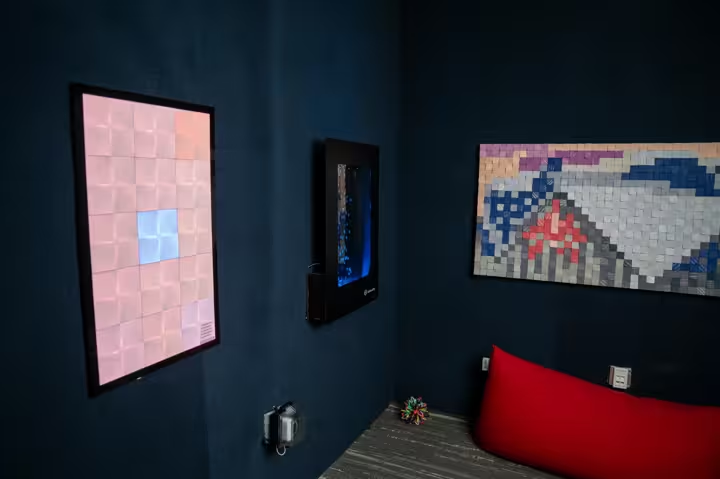
Dedicated sensory rooms will be available for supporters experiencing sensory overload, including individuals living with autism, anxiety, post-traumatic stress disorder and dementia.
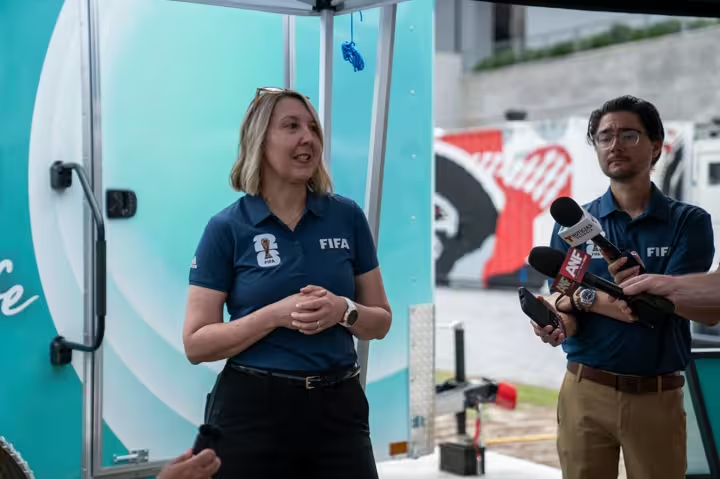
Each sensory room will feature dimmed lighting, reduced noise, comfortable seating, tactile resources and Hisense television technology designed to create a calming atmosphere for fans needing a break from the intensity of matchday environments.
“Football unites the world, and it is our goal to help everyone to participate in the sport – whether as a player or as a fan,” said Heimo Schirgi.
“We are proud that the FIFA World Cup 2026 is the first-ever tournament to receive the Sensory Inclusive designation.
With the resources provided, fans with sensory needs will be able to enjoy the beautiful game in person with us at the greatest FIFA World Cup yet.”
According to research cited by FIFA, between 5% and 16.5% of people experience sensory processing needs, which can make attending live sporting events overwhelming due to crowd noise, sudden cheers and constant movement.
KultureCity Executive Director Uma Srivastava described the recognition as “a historic milestone for accessibility in global sports.”
In addition to the sensory rooms, clear sensory bags will be available at fan information points, while multilingual “social story” venue guides will help supporters prepare for their stadium experience before arriving.
The FIFA World Cup 2026 will also introduce several accessibility measures, including live sign language interpretation for all matches, audio-descriptive commentary, haptic boards for blind and low-vision fans, mobility assistance and accessibility tickets.
Hisense will further support the initiative through KultureCity’s “Make the Nevers Possible” campaign by donating complimentary match tickets to families with sensory needs across the host cities.
-
 Ghana’s Black Maidens ready to take on Norway as Joe Nana Adarkwa targets winning World Cup start Oct 18, 2026
 -
Lamine Yamal hailed as world’s best player after Barcelona win Oct 17, 2026
-
Malawi thrash Seychelles 10-1 to seal third beach soccer AFCON appearance Oct 17, 2026
-
Bafana Bafana set for November double-header against Kenya in 2027 AFCON qualifiers Oct 17, 2026



-
AFCON 2025: Fixtures, Results, Scores and Standings Jan 18, 2026
-
Match hero Taiwo Awoniyi reflects on team effort after Chelsea triumph May 5, 2026
-
Leadership and long-term vision key to rescuing Zamalek and inspiring Egyptian football – Hany Abou Rida Nov 5, 2025
-
South African giants Orlando Pirates set to lose influential forward Monnapule Saleng Mar 19, 2025




-
Real Betis v Barcelona: kick-off time, TV details and match preview Oct 16, 2026
-
Morocco to face New Zealand as FIFA U-17 Women’s World Cup kicks off in Rabat Oct 16, 2026
-
Roma v Real Madrid: home side tipped to score first in Champions League clash Oct 12, 2026
-
Atletico Madrid v Manchester United: probable line-ups for Champions League clash Oct 12, 2026