Cristiano Ronaldo’s record of charity reveals a different side to football’s most divisive star
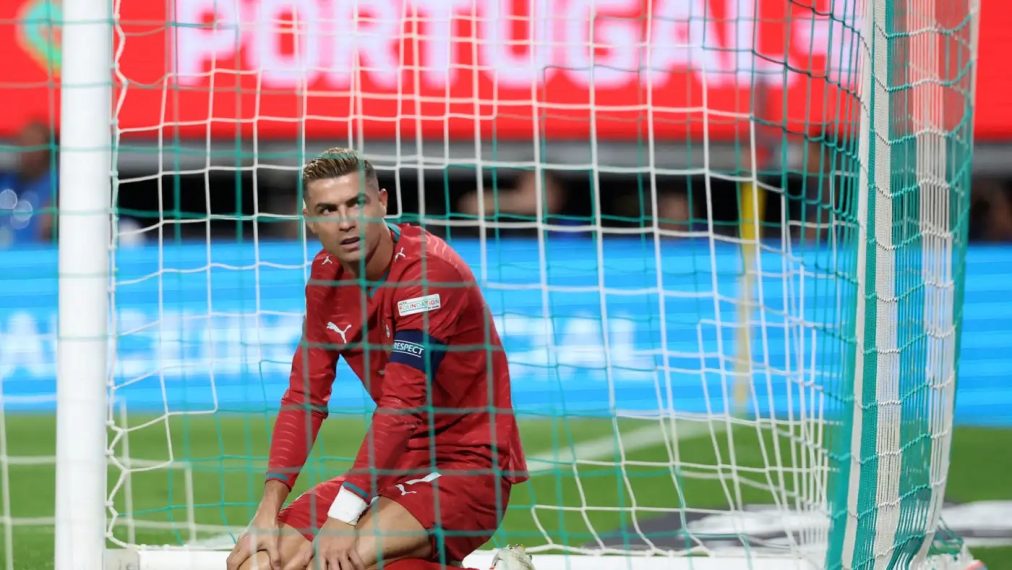
Cristiano Ronaldo has long been one of the most debated figures in world sport, from his early Manchester United days to spells with Real Madrid and Juventus, and his return to the Old Trafford club.
While supporters regard him as an exceptional footballing legend, critics have questioned some of his behaviour and his focus on his appearance and personal brand.
Ronaldo announced his retirement from international football with Portugal on Thursday at the age of 41, weeks after leaving the national team camp following a disagreement with manager Jorge Jesus.
Portugal are scheduled to face Denmark in League A of the Nations League on 14 November 2026.
Away from the attention surrounding his personality and career, however, Ronaldo has built a lengthy record of charitable and humanitarian work, much of which has received less focus, according to the British newspaper The Sun.
The former World Player of the Year has worked as an ambassador for major humanitarian organisations including UNICEF and World Vision. During his acceptance speech for the 2014 Ballon d’Or, he spoke about children suffering from leukaemia, while in 2016 he sent a message of support to children in Syria.
During the coronavirus pandemic in 2020, Ronaldo and his agent Jorge Mendes donated £1m to hospitals in Portugal. The money helped provide ventilators, beds and other medical equipment.
He also agreed to give up four months of his Juventus salary, at a personal cost of about £3.8m, and proposed that his Portugal team-mates donate half of their Euro 2020 qualification bonus to help tackle the crisis.
Ronaldo does not have tattoos because he gives blood regularly and encourages others to do the same. He also donated bone marrow to help the son of his former Portugal team-mate Carlos Martins.
His charity has included significant financial contributions. Ronaldo sold the European Golden Shoe he won in 2011 for £1.2m, with the proceeds directed towards building schools in Gaza. He later sold a replica of his 2013 Ballon d’Or for £530,000 to benefit the Make-A-Wish Foundation.
He gave about £120,000 to a specialist cancer treatment centre in Portugal where his mother, Dolores, had previously been treated for breast cancer.
Support around the world
Ronaldo was credited with donating £5m to the Nepal earthquake relief fund in 2015. He also helped send aid to victims of the earthquakes in Turkey and Syria, and financed relief trucks for people affected by floods in Spain in 2024.
His support has extended to children with serious illnesses. He has covered cancer treatment and surgery costs, and invited a Lebanese orphan to visit Real Madrid after the child’s parents were killed.
He established the CR7 Foundation to support young people’s education and health, and backed former footballer Fernando Ricksen, who had a neurological illness, by inviting him to attend a match.
On a personal level, Ronaldo helped his elder brother overcome addiction. He has also been known for giving expensive gifts to team-mates and leaving large tips for hotel staff, according to The Sun.
Together, those actions present a side of Ronaldo that exists beyond the headlines, stadiums and records that have defined his career.
-
 Amine Gouiri gives Olympique de Marseille first Europa League win at Bayer Leverkusen Nov 6, 2026
-
Mokwana says earlier Kaizer Chiefs move was blocked by ‘obstacles’ Nov 6, 2026
-
Kaizer Chiefs will only make January signings that add value, says Fernando Da Cruz Nov 6, 2026
-
Ouaddou says winning mentality is driving Orlando Pirates’ trophy defence Nov 6, 2026


-
AFCON 2025: Fixtures, Results, Scores and Standings Jan 18, 2026
-
Match hero Taiwo Awoniyi reflects on team effort after Chelsea triumph May 5, 2026
-
Leadership and long-term vision key to rescuing Zamalek and inspiring Egyptian football – Hany Abou Rida Nov 5, 2025
-
South African giants Orlando Pirates set to lose influential forward Monnapule Saleng Mar 19, 2025




-
Barcelona host Aston Villa in Champions League meeting at Spotify Camp Nou Nov 2, 2026
-
AEK Athens v Real Madrid: Champions League date, kick-off time and viewing details Nov 2, 2026
-
Villarreal host unbeaten PSG in first European meeting Nov 2, 2026
-
Real Sociedad and Lyon name probable line-ups for Europa League meeting Nov 3, 2026