Egypt referees chief: European official criticised by Zamalek handled Belgium v France
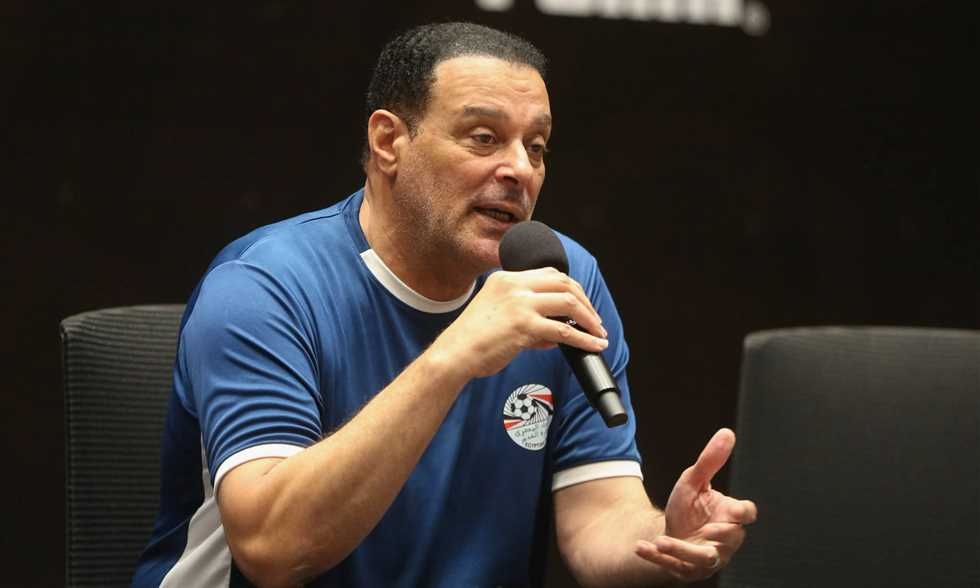
Essam Abdel-Fattah, head of the Egyptian Referees Committee, says refereeing standards are broadly similar around the world, but different officiating “schools” vary in their approach to physical challenges and fouls.
His comments came after Zamalek complained to the Egyptian Football Association about what they described as unfair treatment in their derby defeat by Al Ahly. Zamalek lost 2-0 in the sixth round of the Egyptian Premier League and held the referees’ committee responsible, claiming it had been affected by a campaign against it before the season began.
“I am not in a position to assess foreign refereeing, but I can assess Egyptian refereeing and discuss the difference,” Abdel-Fattah told On Sport FM. “The referees’ committee is doing everything possible.”
He said the authorities had contacted five major football associations in an attempt to appoint officials for the derby.
“Three of them apologised,” he said. “We were looking for elite referees, but they were committed to taking charge of matches on Tuesday and Wednesday in the UEFA Champions League.”
Abdel-Fattah added that Polish referee Szymon Marciniak had also been considered, but was due to officiate a match in Saudi Arabia at the same time and did not travel because of flight circumstances.
He argued that the introduction of video assistant referee technology had narrowed the gap between referees internationally, although differences in interpretation remained.
“Standards among referees around the world are close because of VAR,” he said. “Anyone who follows closely will recognise that there are different schools of refereeing. Some allow physical challenges, while others penalise every touch. In South America, for example, strong physical challenges are widely permitted.”
He said the decisions made by the Slovenian referee in the derby might have been different had the match been controlled by an Egyptian, African or South American official.
Responding to Zamalek’s description of the referee as unknown and below the required standard, Abdel-Fattah said: “This referee handled Belgium against France in the UEFA Nations League during the international break. Is a match of that importance not for an elite referee, but for an unknown one?”
Abdel-Fattah said he remained opposed to relying on foreign officials and wanted confidence in Egyptian refereeing to be restored. European referees had been chosen instead of South American officials because of cost, he added, with the airfare alone for a South American referee being very expensive.
He rejected Zamalek’s claim that the committee had been influenced by a campaign before taking office, saying: “That is completely untrue. A person does not change, and we respect all teams, whether Zamalek or Al Ahly. This referee is foreign and has no connection to anything.”
He said the committee would consider whether to analyse the foreign referee’s decisions, while insisting it could not be held responsible for an official’s performance.
“We are only working to bring in the best referees available,” he said.
Regarding Zamalek’s complaint, Abdel-Fattah said the Football Association would pass it to the committee, which would respond that it took no side and could not guarantee any referee would perform successfully, even if he was the best in the world. The committee, he said, was responsible only for Egyptian referees.
He concluded by saying the Pyramids against Ceramica Cleopatra match was as important as Al Ahly against Zamalek in terms of the league table, so an international team led by Amin Omar had been appointed.
-
 Martin Demichelis praises Christopher Nkunku after stunning RB Leipzig hat-trick Oct 12, 2026
 -
Victor Boniface frustrated after Mainz snub as Nathan Tella returns Oct 12, 2026
-
Kelechi Iheanacho’s classy gesture to Bursaspor chef steals show despite late defeat Oct 12, 2026
-
Arsenal host Lille as Manchester City face Paris Saint-Germain in Champions League matchday two Oct 12, 2026


-
AFCON 2025: Fixtures, Results, Scores and Standings Jan 18, 2026
-
Match hero Taiwo Awoniyi reflects on team effort after Chelsea triumph May 5, 2026
-
Leadership and long-term vision key to rescuing Zamalek and inspiring Egyptian football – Hany Abou Rida Nov 5, 2025
-
South African giants Orlando Pirates set to lose influential forward Monnapule Saleng Mar 19, 2025




-
Manchester United host winless Tottenham in Premier League clash Oct 7, 2026
-
Real Madrid fitness update: Valverde a doubt for Villarreal as Kylian Mbappe returns Oct 8, 2026
-
Lens v Lyon: Can the in-form visitors extend their unbeaten Ligue 1 run? Oct 6, 2026
-
Barcelona aim for eighth straight Liga win as Getafe visit Camp Nou Oct 7, 2026