South African women’s football still a ‘glorified hobby’, says former Banyana captain Dludlu
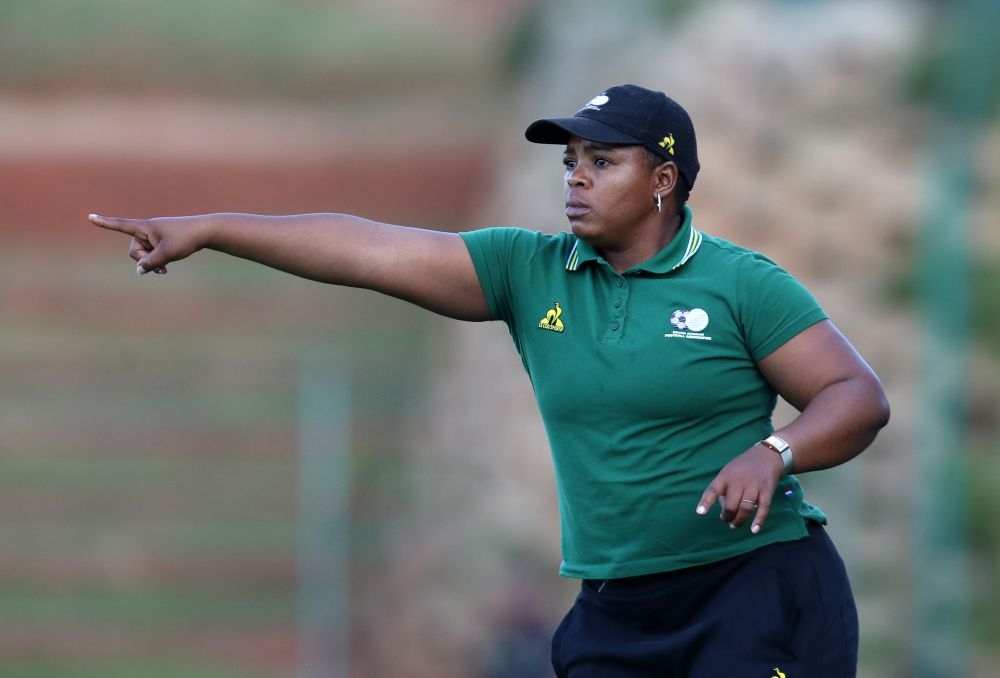
Former Banyana captain Simphiwe Dludlu says South African women’s football has progressed significantly, but many players still have to combine elite sport with employment or education.
Dludlu, who has also worked as South Africa Under-17 women’s mentor, described the game as a “glorified hobby” because only a small proportion of players can rely on football as their main source of income.
Her comments follow the publication of Momentum’s latest She Owns Her Success research, which found that 74% of women in sport have a second job, one in four work full-time while competing at elite level, and half earn no income from their sport.
Dludlu said those findings reflected the circumstances faced by many South African players, including members of the national team.
“Women’s football is a glorified hobby if I’m being honest. A lot of players and I’m talking about a huge number, have to combine it with jobs and studying as well and those are national team players,” she said.
“The only players that can call themselves professional players are the ones who earn a salary from football and those are mostly the ones that play overseas.”
South Africa’s women’s game has made notable progress in recent years. Greater investment has helped Banyana establish themselves as one of the leading teams in Africa, while more South African players have earned opportunities to play abroad.
Banyana won the 2022 Women’s Africa Cup of Nations before qualifying for the 2023 FIFA Women’s World Cup. Dludlu believes those achievements demonstrate what can be delivered when the game receives appropriate backing.
“The investments made over the league are and have been reflected in how the levels of our women’s game grew over the years,” she said.
“The institutions that made a significant contribution towards it certainly saw the returns with Banyana’s WAFCON title and players getting opportunities overseas as well as going to the 2023 World Cup.”
However, she says the next stage of development will require increased sponsorship and a fully professional domestic competition.
“The next step is a clear one, the game does need more sponsors around the country and in various institutions that hold women’s football,” Dludlu said.
“We already have a league but we need one that’s a level above as well, a professional one.”
Dludlu added that the priority should not only be increasing the number of players, but ensuring more of them are technically and tactically ready to challenge for places in a successful Banyana squad.
“South Africa has players and talented ones obviously but we don’t have enough that are refined at the moment,” she said.
“We don’t have players that can walk into the Banyana setup and replace a Thembi Kgatlana or a Linda Motlhalo and that’s where these investments have to come to the fore.”
For Dludlu, the lasting test of progress will be whether players can make a living from football rather than having to fit their careers around another job or their studies.
-
 Hamza Belasri: Moroccan winger joins CM El Marsa on a free transfer Sep 18, 2026
 -
Europa League: Juventus, Besiktas and Crystal Palace begin with big wins Sep 17, 2026
-
Gambia beat Liberia to reach UFOA-A U17 final and qualify for 2027 AFCON Sep 17, 2026
-
Juventus make flying Europa League start with emphatic 5-0 win over NEC Nijmegen Sep 17, 2026




-
AFCON 2025: Fixtures, Results, Scores and Standings Jan 18, 2026
-
Leadership and long-term vision key to rescuing Zamalek and inspiring Egyptian football – Hany Abou Rida Nov 5, 2025
-
South African giants Orlando Pirates set to lose influential forward Monnapule Saleng Mar 19, 2025
-
Match hero Taiwo Awoniyi reflects on team effort after Chelsea triumph May 5, 2026




-
African Stars choose Botswana’s Lucas Moripe Stadium to host Orlando Pirates in CAF Champions League Sep 16, 2026
-
Europa League: AC Milan, Benfica and Lyon begin new league phase Sep 16, 2026
-
Mohamed Fathi emerges as potential PSL option amid South Africa coaching shake-up Sep 11, 2026
-
Besiktas and Marseille reveal probable line-ups for Europa League opener Sep 15, 2026