Algeria
Cabo Verde
Côte d’Ivoire
Countries
DR Congo
Egypt
FIFA World Cup
Ghana
Latest News
Morocco
Senegal
South Africa
Tunisia
World Cup 2026: African squads steal spotlight with bold cultural fashion at arrivals

African national teams have taken the 2026 FIFA World Cup by storm, turning airport terminals into runways and ditching standard tracksuits for high-fashion cultural attire.
Squads representing the continent landed in North America wearing bespoke, traditional-meets-modern garments that celebrate national identity and cultural heritage.
Social media platforms erupted as fans and fashion critics widely praised the delegations for bringing an unmatched level of elegance and “drip” to the tournament before a single ball was kicked.
The Leopards Make a Viral Return
The Democratic Republic of Congo made the most dramatic sartorial statement upon landing in Houston, Texas. Making their first World Cup appearance in 52 years, “Les Leopards” stepped off the plane wearing custom black suits accented with bold leopard-print sashes, lapels, and crystal cheetah brooches.
Designed by emerging designer Alvin Junior Mac, the look was completed with luxury, matching leopard-print travel bags.
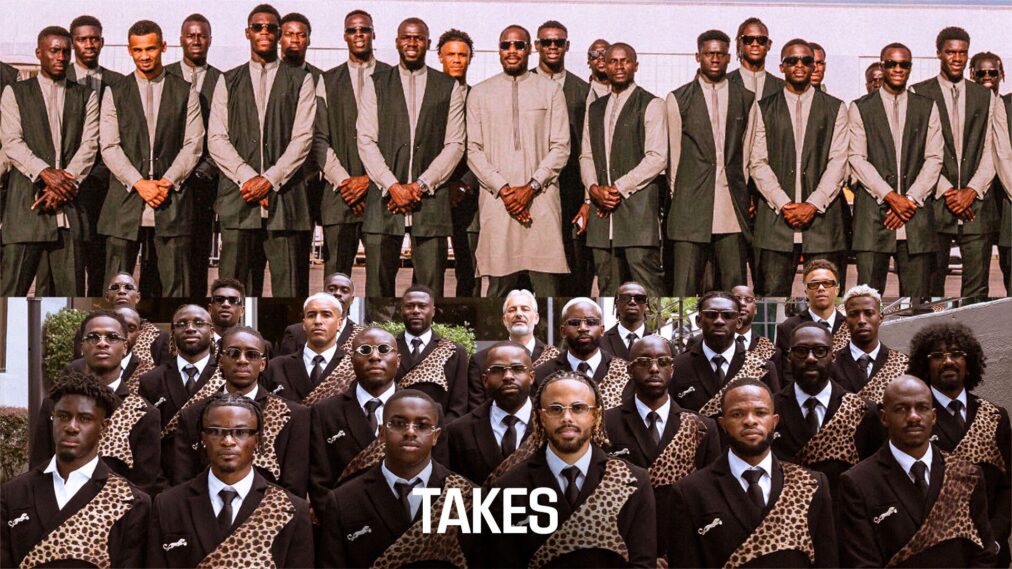
Commentators noted that the team’s high-fashion look serves as a deliberate nod to La Sape, the iconic Congolese culture of extreme elegance and dandyism.
Online reviews quickly crowned the squad as early frontrunners for the most stylish team at the tournament. “The Congolese team decided to give you a fashion show at their arrival,” shared one fashion reviewer on Instagram.
DR Congo is scheduled to begin their Group Stage campaign against Portugal on June 17.
West African Giants Showcase Heritage
Other African representatives, including Ivory Coast, Senegal, and Ghana, similarly rejected traditional athletic wear in favor of vibrant cultural expressions.
The Ivorian and Senegalese squads integrated complex traditional patterns, tailored cuts, and symbolic elements—such as intricate elephant embroidery on the back of jackets—into their modern travel attire.
Meanwhile, the Ghanaian squad blended customized sportswear with traditional scarves to display their national colors.
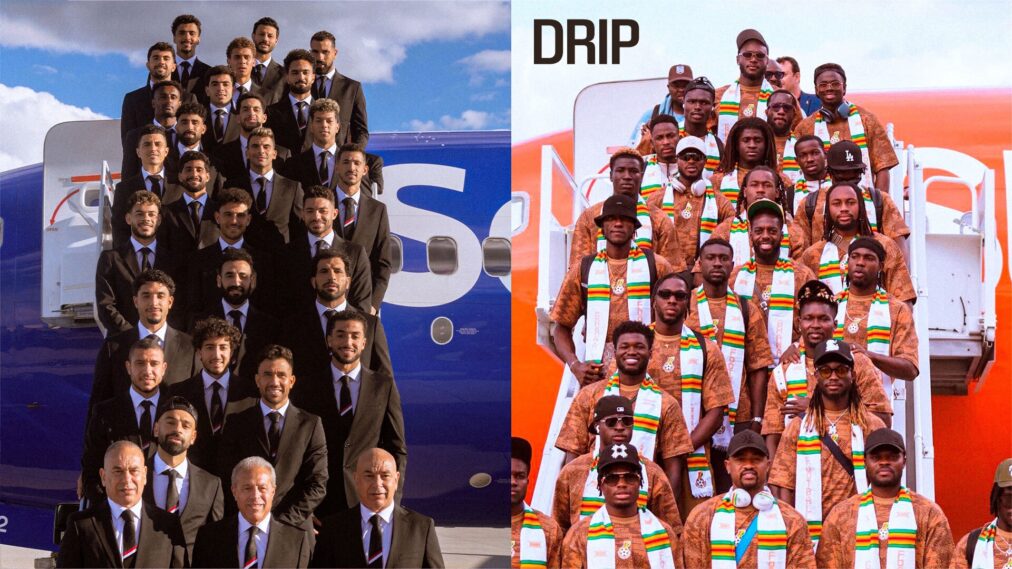
This unified fashion movement mirrors a growing trend seen in recent Africa Cup of Nations (AFCON) tournaments, where arrival aesthetics have become high-stakes platforms for cultural diplomacy.
With global viewership projected to reach billions, the 2026 World Cup has provided an unprecedented global stage for African heritage fashion. Sports analysts and fans agree that the continent’s representatives have successfully used their travel gear to project national pride, unity, and undisputed swagger.


-
 Benabou heroics deny Ittihad Tanger as Moghreb Tetouan miss late penalty Oct 3, 2026
 -
Chelsea and Brighton target South African prospect Relebohile Mofokeng Oct 2, 2026
-
Nigeria suffer late squad blows before Russia friendly Oct 2, 2026
-
Ghana name squad for Mauritius ties in 2028 Olympic qualifying Oct 2, 2026



-
AFCON 2025: Fixtures, Results, Scores and Standings Jan 18, 2026
-
Match hero Taiwo Awoniyi reflects on team effort after Chelsea triumph May 5, 2026
-
Leadership and long-term vision key to rescuing Zamalek and inspiring Egyptian football – Hany Abou Rida Nov 5, 2025
-
South African giants Orlando Pirates set to lose influential forward Monnapule Saleng Mar 19, 2025




-
AFCON 2027 Qualifiers: McCarthy warns South Africa to expect tough test against Eritrea Sep 29, 2026
-
AFCON 2027 qualifiers: Algeria, Morocco and Nigeria among winners on opening matchday Sep 26, 2026
-
Denmark v Portugal: Nations League kick-off time, TV channel and match prediction Sep 29, 2026
-
South Sudan vs Egypt: Where to watch AFCON 2027 qualifier Sep 29, 2026