World Cup 2026: Moroccan fans denied U.S. visas ahead of tournament, sparking outcry over lost investments
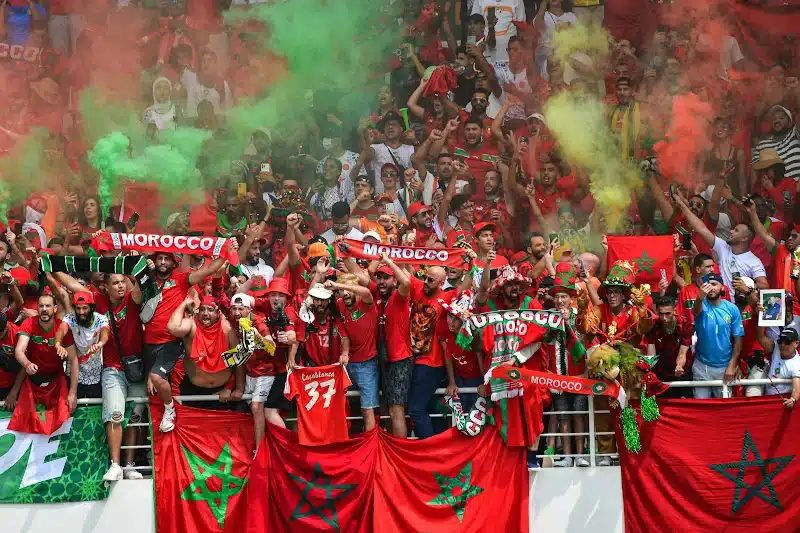
A group of Moroccan football supporters say they have been left stranded after U.S. visa rejections prevented them from travelling to the 2026 FIFA World Cup, despite having already spent heavily on tickets, accommodation, and travel arrangements.
According to Azzedine Al Attaraoui, head of the Sports Association of Moroccan National Team Fans, 40 out of 42 applicants from cities including Casablanca, Marrakech, Fès and Tétouan were refused visas without explanation.
“No clear reasons were given for the visa refusals,” he said, stressing that the group’s sole intention was to support the national team. “We just want to support our national team.”
The supporters’ association says its members have consistently followed Morocco across major international competitions, including the 2018 FIFA World Cup in Russia, the 2022 FIFA World Cup in Qatar, and the Paris 2024 Olympic Games.
Al Attaraoui noted that many fans had already purchased match tickets in advance—some paying up to $1,500 for three games—alongside visa fees of about 1,800 dirhams. Others reportedly booked hotel rooms costing between $400 and $1,000 per night, with total expenses in some cases reaching 20,000 dirhams when including travel and documentation costs.
He has called on FIFA to intervene, while also urging Morocco’s foreign ministry to help resolve the situation so supporters can still attend the tournament. “If financial guarantees were required, we would have provided them,” he said, adding that many fans are now facing significant financial losses.
Separately, Mourad Hamana, founder of the Sbouaa (Lions) supporters group, said nearly 50 group coordinators applied for visas, but only six were approved. The coordinators are responsible for organizing fan presence in stadiums and maintaining the atmosphere for which Moroccan supporters are known.
“To organize thousands of fans, six people is a very small number,” Hamana said, warning that at least 30 coordinators are typically needed to properly mobilize supporters.
He added that applicants had stable lives in Morocco and no intention of emigrating, noting that many were rejected under Section 214, a provision often applied when consular officers are not convinced applicants will return home after their visit.
Hamana also appealed to Foreign Minister Nasser Bourita to step in, pointing to previous instances where Moroccan authorities helped expedite visas for supporters travelling to Chile to back the U20 national team.
The development has raised concern among supporters who say their plans—and substantial financial commitments—have been derailed just months before football’s biggest tournament.
-
 Ten Hag questions Man Utd decision to release Morocco midfielder Sofyan Amrabat Oct 21, 2026
 -
Lazola Maku must prove himself to earn place at Mamelodi Sundowns – Miguel Cardoso Oct 21, 2026
-
Real Betis midfielder Bernal suspended after clash with Barcelona’s Lamine Yamal Oct 21, 2026
-
Al Ittihad could beat Juventus to Morocco star Brahim Diaz with January offer Oct 21, 2026


-
AFCON 2025: Fixtures, Results, Scores and Standings Jan 18, 2026
-
Match hero Taiwo Awoniyi reflects on team effort after Chelsea triumph May 5, 2026
-
Leadership and long-term vision key to rescuing Zamalek and inspiring Egyptian football – Hany Abou Rida Nov 5, 2025
-
South African giants Orlando Pirates set to lose influential forward Monnapule Saleng Mar 19, 2025




-
PSG v Barcelona: fiery attacks set up Champions League classic at Parc des Princes Oct 18, 2026
-
Champions League: PSG beat Barcelona as Liverpool complete comeback against Villarreal Oct 20, 2026
-
Real Betis v Barcelona: kick-off time, TV details and match preview Oct 16, 2026
-
PSG beat Barcelona 4-2 in Champions League thriller Oct 21, 2026