Morocco legend Mohamed Aziz Samadi rejects World Cup conspiracy claims after France defeat
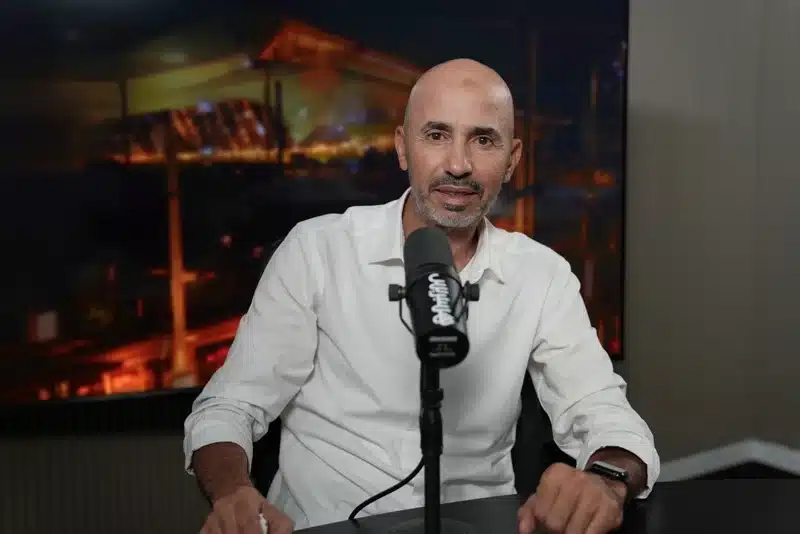
Former Moroccan international Mohamed Aziz Samadi has strongly rejected conspiracy theories surrounding the Atlas Lions’ elimination from the 2026 FIFA World Cup, insisting that suggestions of betrayal or deliberate failure by the national team are completely unrealistic.
Morocco’s impressive World Cup campaign came to an end after a 2-0 defeat to France in the quarter-finals, a result that triggered emotional reactions from some supporters and led to speculation from sections of the public questioning the team’s commitment.
However, Samadi, who represented Morocco at the 1994 FIFA World Cup in the United States, has dismissed such claims, arguing that it would be impossible for an entire squad and technical team to participate in any form of conspiracy against their own country.
Speaking in an interview, the former national team player stressed that accusing players, coaches, and staff members of intentionally harming the team ignores the passion and sacrifices involved in representing Morocco.
Samadi explained that convincing 26 players, alongside the coaching staff, medical team, and other members of the delegation to participate in such an act would be completely illogical.
The former midfielder also reflected on his own painful experience at the 1994 World Cup, when Morocco suffered a disappointing defeat against Saudi Arabia and faced similar accusations from frustrated supporters.
According to Samadi, the criticism at the time had serious consequences, particularly for goalkeeper Khalil Azmi, who was deeply affected by the backlash following the defeat. He recalled that Azmi struggled emotionally after the match, spending the night in the hotel lobby unable to sleep and overwhelmed by the accusations directed at the team.
Samadi believes those experiences should serve as a reminder of the damaging impact of unfounded allegations against players who give their best while representing their nation.
The Moroccan football figure acknowledged that fans were naturally disappointed after the loss to France but insisted that emotions should not lead to unrealistic conclusions. He argued that the defeat was a result of footballing realities, with France proving to be technically and tactically superior on the day.
“The French team was technically and tactically better, and the defeat was logical and must be accepted with sportsmanship,” he said.
In his assessment of the quarter-final encounter, Samadi admitted that Morocco failed to reach the level they had shown earlier in the tournament. He estimated that the team performed at only around 30 percent of their true ability compared to their previous matches.
He pointed to difficulties in breaking down France’s defensive structure, a lack of solutions in the final third, and a midfield that struggled to control the rhythm of the game.
Samadi also highlighted squad depth as one of Morocco’s major challenges, explaining that the team lacked enough alternatives capable of maintaining the same quality when key starters were unavailable. He noted that injuries and changes to the defensive setup affected the team’s balance during the competition.
Despite the disappointment, the former international urged Moroccan supporters to focus on constructive criticism rather than rumours, encouraging debate around tactical decisions, player development, and areas that require improvement.
He believes the experience gained from the World Cup should help Morocco prepare better for future challenges, particularly the 2030 FIFA World Cup, which the country will host alongside Spain and Portugal.
Samadi also defended the commitment and patriotism of the current Atlas Lions squad, insisting that the players represent their country with genuine pride and passion.
He argued that the emotional moments displayed by players during the national anthem, as well as their appreciation for supporters who make sacrifices to follow the team, demonstrate their deep connection to the national shirt.
According to Samadi, financial rewards are not the motivation for these players, as their desire to succeed comes from representing Morocco and making their supporters proud.
The former star also discussed the development of Moroccan domestic football, comparing the current national team structure with the squad that featured at the 1994 World Cup.
He recalled that more than 80 percent of the 1994 squad was made up of players competing in the local league, while today’s national team relies heavily on players developed in European football.
Although he acknowledged improvements in facilities, salaries, and media coverage for domestic league players, Samadi believes local talents must continue working harder to reach the standards required for international competition.
Reflecting on his own career, Samadi recalled his 42-year association with Royal Army Football Club and a memorable gesture from the late King Hassan II after Morocco secured qualification for the 1994 World Cup.
He revealed that each player received a financial reward of three million centimes following the decisive qualifying draw against Tunisia, while he and teammate Majid Bouiboud were given additional bonuses in recognition of their direct contributions to the team’s success.
Samadi’s message remains clear: Morocco’s World Cup elimination should be analysed through football reasons rather than conspiracy theories, while the focus should now be on learning, improving, and building towards future tournaments.
-
 Lens and Sporting CP set for Champions League meeting at Stade Bollaert-Delelis Oct 12, 2026
 -
Four Raja players threaten to leave amid disputes over Rogerio Matias’ policy Oct 12, 2026
-
Mehdi Benatia faces competition from four other candidates for AC Milan job Oct 12, 2026
-
Morocco midfielder Amine Harit scores as Marseille end losing run with win at Troyes Oct 12, 2026




-
AFCON 2025: Fixtures, Results, Scores and Standings Jan 18, 2026
-
Match hero Taiwo Awoniyi reflects on team effort after Chelsea triumph May 5, 2026
-
Leadership and long-term vision key to rescuing Zamalek and inspiring Egyptian football – Hany Abou Rida Nov 5, 2025
-
South African giants Orlando Pirates set to lose influential forward Monnapule Saleng Mar 19, 2025




-
Croatia face Spain with Nations League hopes on the line in Split Oct 5, 2026
-
Manchester United host winless Tottenham in Premier League clash Oct 7, 2026
-
Real Madrid fitness update: Valverde a doubt for Villarreal as Kylian Mbappe returns Oct 8, 2026
-
Lens v Lyon: Can the in-form visitors extend their unbeaten Ligue 1 run? Oct 6, 2026