EXCLUSIVE: FIFA–CAF tensions alleged over Motsepe’s support for Referee Omar Artan after Super Cup appointment
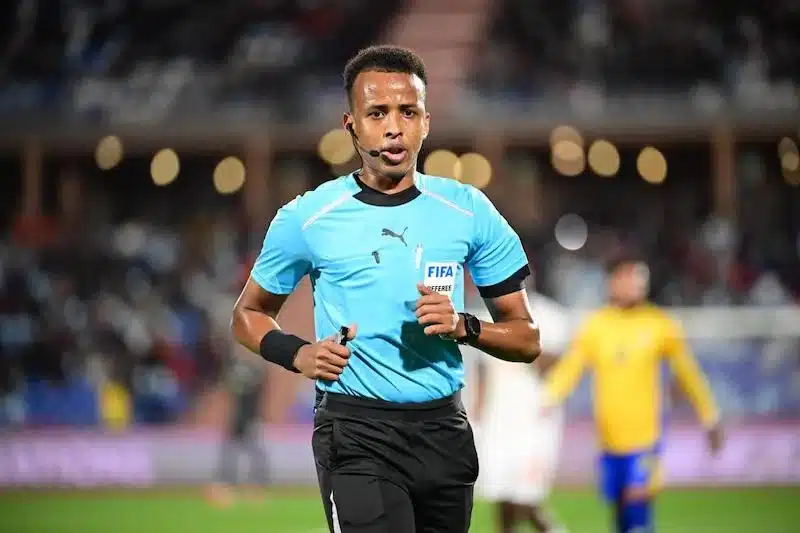
Reports of friction between FIFA and the Confederation of African Football (CAF) have surfaced after CAF President Dr Patrice Motsepe publicly backed Somali referee Omar Abdulkadir Artan’s appointment to officiate the UEFA Super Cup, following his controversial exclusion from the 2026 FIFA World Cup.
Artan, one of Africa’s most highly rated referees and the 2025 CAF Men’s Referee of the Year, was originally selected for the World Cup but was denied entry into the United States despite holding a valid visa.
The decision, attributed by US authorities to “vetting concerns,” ultimately led to his removal from the tournament.
In a swift turnaround, UEFA, working in coordination with CAF, named Artan to take charge of the UEFA Super Cup in Salzburg on 12 August, in what both organisations described as part of a broader cooperation agreement aimed at strengthening refereeing development across continents.
CAF President Motsepe strongly endorsed the appointment, praising Artan’s professionalism and describing him as a symbol of African excellence on the global stage.
UEFA President Aleksander Čeferin also welcomed the decision, calling it a recognition of merit and unity in football.
However, the CAF chief’s vocal support has reportedly unsettled sections within FIFA, where officials are said to be wary of being drawn into the political and diplomatic fallout surrounding Artan’s exclusion from the World Cup.
While FIFA has maintained that entry decisions rest solely with host nations, the episode has exposed growing sensitivities between football’s global governing body and continental leadership structures.
Artan’s rapid elevation to one of European football’s most prestigious fixtures has been widely celebrated across Africa, with many viewing it as both vindication and a career-defining opportunity following his World Cup setback.
The controversy now underscores broader tensions within international football governance, where sporting merit, political decisions, and institutional influence increasingly intersect on the global stage.
-
 Golden Arrows cruise past Chippa United to reach Carling Knockout quarter-finals Oct 24, 2026
 -
Welayta Dicha vs Halaba Ketema: Hosts seek response as unbeaten away side visit on 26 October Oct 24, 2026
-
Ousmane Sow joins Libyan club Al-Majd SC after leaving HLM Oct 24, 2026
-
Nicolas Jackson scores twice as Aston Villa beat Manchester City Oct 24, 2026



-
AFCON 2025: Fixtures, Results, Scores and Standings Jan 18, 2026
-
Match hero Taiwo Awoniyi reflects on team effort after Chelsea triumph May 5, 2026
-
Leadership and long-term vision key to rescuing Zamalek and inspiring Egyptian football – Hany Abou Rida Nov 5, 2025
-
South African giants Orlando Pirates set to lose influential forward Monnapule Saleng Mar 19, 2025




-
Barcelona v Real Madrid: Catalans backed at 1.65 to win October Clasico Oct 23, 2026
-
Barcelona and Real Madrid meet in pivotal 265th Clasico Oct 23, 2026
-
PSG v Barcelona: fiery attacks set up Champions League classic at Parc des Princes Oct 18, 2026
-
Champions League: PSG beat Barcelona as Liverpool complete comeback against Villarreal Oct 20, 2026