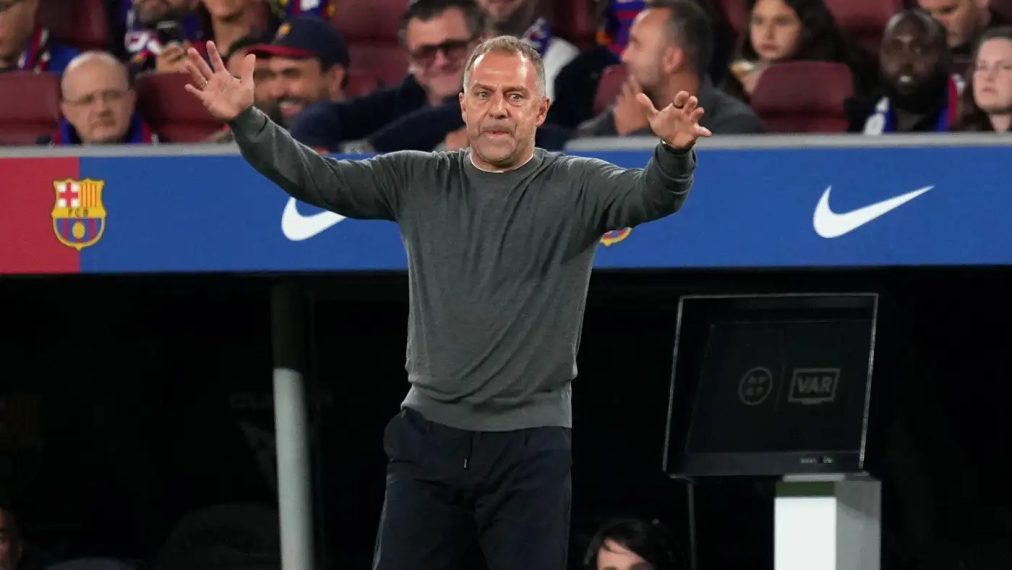
Hansi Flick suffered his first major setback as Barcelona manager for some time as his side were unable to find answers against Real Madrid in El Clasico, exposing a drop in attacking effectiveness and a lack of tactical ideas.
Flick had earned considerable praise at Barcelona after reviving a team that had struggled badly at the end of Xavi’s reign. However, the defeat by Real Madrid left the German visibly affected, an unfamiliar sight since his arrival at the club.
Barcelona lacked the directness, ambition and energy that have become associated with them, while indecision and poor choices undermined their performance. They also failed to devise a response to a logical and predictable plan from Jose Mourinho.
Even a late attempt to rescue a draw proved beyond them on a night when little went right.
The problems had already been evident in Barcelona’s defeat by Paris Saint-Germain. After that loss at the Parc des Princes, Flick said: “Of course I thought about Real Madrid.”
That was a different explanation from the one he had normally offered since taking charge, with the coach previously insisting that his priority was to focus on each match individually.
Paris Saint-Germain managed 15 shots on Joan Garcia’s goal, underlining the extent of Barcelona’s difficulties. Real Madrid did not test Barcelona’s goalkeeper as frequently in the Clasico, registering five efforts on target, but they could have won by a wider margin after taking a 1-0 lead.
Barcelona tried to fight back in the second half but were unable to turn their pressure into a goal.
Yamal isolated as midfield threat is contained
The match also exposed clear tactical weaknesses. Real Madrid restricted the influence of Rodri and Pedri, preventing them from bringing Fermin Lopez into the game. As a result, Fermin was isolated from his team-mates.
Barcelona struggled to play through the middle and generated little from the wings, with the exception of Gordon’s efforts.
Lamine Yamal, another key source of creativity, was effectively neutralised by Marc Cucurella. After what happened against Chelsea at Stamford Bridge last season, it was surprising that Flick did not try a different approach, such as moving Yamal away from the wing and allowing Raphinha to take on the international full-back directly.
Yamal looked uncomfortable throughout the match and became increasingly frustrated, as shown by the chance he missed shortly before half-time.
Flick also appeared unable to influence the game with his substitutions. His first change was forced, with Balde replacing Espart because of injury, while Frenkie de Jong was not introduced until the 74th minute.
Adeyemi and Gordon came on in the 84th minute, leaving them too little time to make a positive impact. Their arrival instead had a negative effect, with the Brazilian losing possession with one of his first touches and allowing Real Madrid to launch the attack that ended with Kylian Mbappe’s second goal.
Flick offered little clarity in his post-match news conference, pointing instead to physical fatigue, the week available for recovery and his desire to improve a group still below its best level.
His attempt to claim a 100th victory as Barcelona manager was also delayed. His record remains at 99 wins, 10 draws and 21 defeats.
Flick retains substantial support from Barcelona’s board and supporters, but he and his assistants face a significant task to restore the team’s energy after they failed in the first week of their bid to compete for every trophy this season.
Flick had said Barcelona would reach full readiness after the first international break. The current impression, however, is that the team began the season better than expected before now entering a period of decline.
Barcelona face Deportivo Alaves in La Liga on 31 October, while Racing Santander play Real Madrid in La Liga on 1 November.
-
 Bukayo Saka wins 2026 Socrates prize for helping fund 120 surgeries for Nigerian children Oct 27, 2026
-
2026 Ballon d’Or: PSG named men’s club of the year Oct 26, 2026
-
Sunderland manager reaffirms confidence in Chemsdine Talbi despite limited minutes Oct 26, 2026
-
Ballon d’Or 2026: How a tie between players will be decided Oct 26, 2026


-
AFCON 2025: Fixtures, Results, Scores and Standings Jan 18, 2026
-
Match hero Taiwo Awoniyi reflects on team effort after Chelsea triumph May 5, 2026
-
Leadership and long-term vision key to rescuing Zamalek and inspiring Egyptian football – Hany Abou Rida Nov 5, 2025
-
South African giants Orlando Pirates set to lose influential forward Monnapule Saleng Mar 19, 2025




-
Barcelona v Real Madrid: Catalans backed at 1.65 to win October Clasico Oct 23, 2026
-
Barcelona and Real Madrid meet in pivotal 265th Clasico Oct 23, 2026
-
Sevilla FC v Osasuna: probable line-ups for Monday’s La Liga meeting Oct 25, 2026
-
Champions League: PSG beat Barcelona as Liverpool complete comeback against Villarreal Oct 20, 2026