World Cup 2026: Egypt legend Aboutrika launches scathing attack on South Africa coach for silence over tournament chaos but criticized Morocco’s AFCON
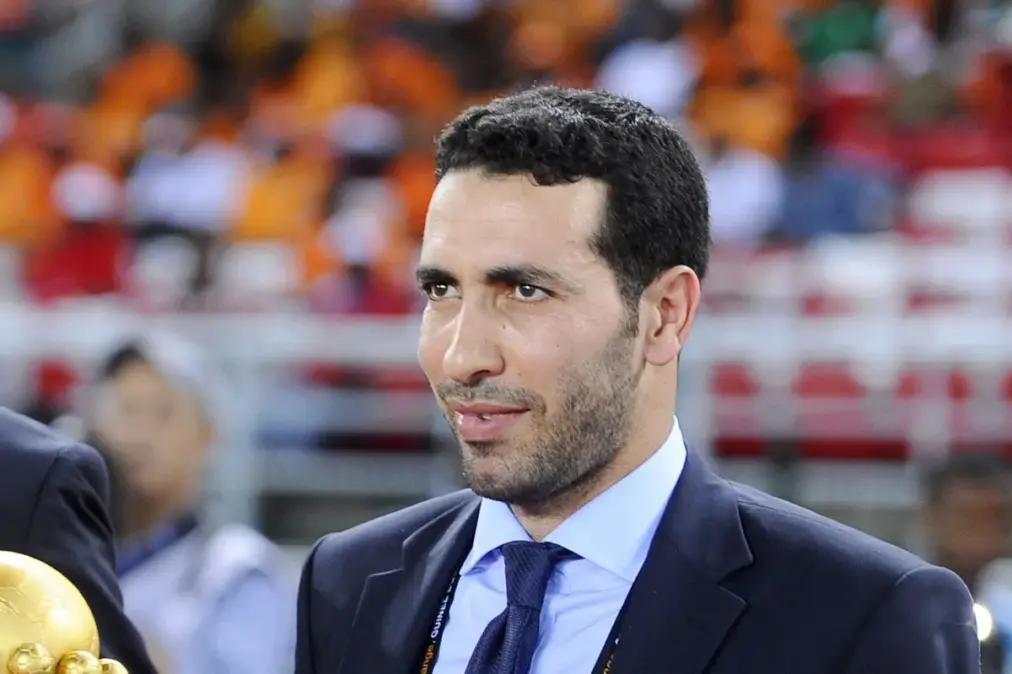
Egyptian football icon Mohamed Aboutrika has taken aim at South Africa head coach Hugo Broos, accusing the Belgian tactician of double standards following his comments about Morocco’s hosting of the 2025 Africa Cup of Nations.
Broos had previously voiced concerns about the scheduling and organization surrounding the upcoming AFCON in Morocco, drawing criticism from several African football stakeholders.
However, Aboutrika believes the South Africa coach has remained conspicuously silent about the controversies that have overshadowed the 2026 FIFA World Cup.
The tournament has faced criticism in recent weeks over visa complications affecting supporters, logistical challenges, political tensions, protests in host cities, and wider debates surrounding global governance and international relations.
Speaking on television, Aboutrika questioned why Broos had openly criticized an African tournament while refraining from commenting on issues affecting the World Cup.
The former Egypt and Al Ahly star suggested that African football figures are often more willing to criticize competitions hosted on the continent than major events organized elsewhere.
Aboutrika’s comments have reignited discussions about how African football is perceived globally and whether African coaches, players, and administrators are subjected to different standards when discussing continental competitions.
The 47-year-old remains one of the most influential voices in African football and has never shied away from expressing his views on issues beyond the pitch.
His remarks quickly generated debate across social media, with some supporters agreeing that African competitions are frequently judged more harshly than tournaments hosted elsewhere.
Others argued that coaches should be free to express concerns about any competition without being accused of bias.
Broos, who guided South Africa to a third-place finish at the 2023 Africa Cup of Nations, has yet to publicly respond to Aboutrika’s criticism.
As the World Cup continues, the exchange has added another layer to the ongoing conversation about football governance, tournament organization, and the standards applied to competitions across different continents.
The incident highlights the growing intersection between football, politics, and public opinion, with leading figures increasingly using their platforms to comment on issues extending far beyond the game itself.
-
 ASEC Mimosas face Maghreb de Fes in CAF Champions League first leg Oct 17, 2026
 -
CAF Champions League: FC San Pedro and FC Nouadhibou probable line-ups Oct 17, 2026
-
Young Africans confirm starting XI for CAF Champions League tie against CFFA Oct 17, 2026
-
CAF Champions League: How to follow CFFA v Young Africans live Oct 17, 2026


-
AFCON 2025: Fixtures, Results, Scores and Standings Jan 18, 2026
-
Match hero Taiwo Awoniyi reflects on team effort after Chelsea triumph May 5, 2026
-
Leadership and long-term vision key to rescuing Zamalek and inspiring Egyptian football – Hany Abou Rida Nov 5, 2025
-
South African giants Orlando Pirates set to lose influential forward Monnapule Saleng Mar 19, 2025




-
Real Betis v Barcelona: kick-off time, TV details and match preview Oct 16, 2026
-
Roma v Real Madrid: home side tipped to score first in Champions League clash Oct 12, 2026
-
Atletico Madrid v Manchester United: probable line-ups for Champions League clash Oct 12, 2026
-
Celta Vigo v Juventus: Probable line-ups for Europa League encounter Oct 14, 2026