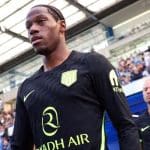
World Cup 2026: DR Congo returns after 52 years seeking to rewrite history

The Democratic Republic of Congo is preparing for a long-awaited return to the FIFA World Cup, ending a 52-year absence from football’s biggest stage.
For many Congolese supporters, the qualification represents more than just a sporting achievement.
It is an opportunity to turn the page on a painful chapter from 1974 and present a new image of the nation to the world.
Back in 1974, then known as Zaire, the country became the first team from sub-Saharan Africa to compete at a World Cup. While that achievement was historic, the tournament itself proved to be a difficult experience that remained etched in football history for decades.
The Historic Yet Painful Experience of 1974
Zaire arrived at the 1974 World Cup in West Germany as African champions and pioneers for the continent. The team had captured the Africa Cup of Nations earlier that year and carried the hopes of an emerging football nation.
However, the campaign quickly unravelled. Zaire suffered defeats in all three group matches and endured a record 9 0 loss to Yugoslavia on June 18, 1974, a result that remains the heaviest defeat in the country’s World Cup history.
The tournament is also remembered for one of the most famous moments in World Cup folklore. During a match against Brazil, defender Mwepu Ilunga ran out from the defensive wall and kicked the ball away before a free kick could be taken. For years, the incident was widely misunderstood and mocked. Later accounts suggested the act was linked to tensions within the squad, including disputes over unpaid bonuses and fears surrounding pressure from the political leadership at the time.
Five Decades of Waiting
Despite winning the Africa Cup of Nations twice, in 1968 and 1974, Congo struggled to return to the World Cup.
Political instability, infrastructure challenges and the absence of a long-term football strategy contributed to decades of disappointment. Many of the country’s most talented players found success in European leagues, but qualification for the World Cup remained elusive.
The breakthrough finally arrived during the road to the 2026 tournament. Congo secured its place after a dramatic playoff victory over Jamaica, ending more than half a century of absence from the global stage.
The achievement marked the country’s second appearance at a World Cup and its first since competing as Zaire in 1974.
Desabre Leads a New Era
French coach Sebastien Desabre has been widely credited with helping transform the national team.
The former Ismaily and Pyramids manager restored structure, discipline and a clear playing identity, guiding the Leopards back among world football’s elite.
Under his leadership, Congo became the tenth African nation to qualify for the expanded 2026 World Cup, a milestone that reignited national pride and excitement across the country.
A Talented Generation Ready to Compete
Unlike the squad that travelled to Germany in 1974, the current Congolese team is filled with experienced professionals playing at high levels across Europe.
Captain Chancel Mbemba leads a group that includes Arthur Masuaku, Yoane Wissa, Aaron Wan Bissaka, Theo Bongonda and Pyramids striker Fiston Mayele.
This generation arrives with greater international experience and a belief that it can compete with some of the strongest teams in the world.
Tough Tests Await in Group Stage
The Leopards face a demanding challenge in the group stage of the 2026 World Cup.
Their campaign begins against Portugal on June 17 in Houston before a second fixture against Colombia on June 24 in Guadalajara.
While Congo may not possess the global superstars of some rival nations, Desabre has built a balanced team known for defensive organisation and quick transitions.
The objective is no longer simply to participate. The ambition is to reach the knockout rounds for the first time in the nation’s history.
Opportunity to Change the Narrative
For decades, global memories of Congo’s World Cup history have been dominated by the events of 1974.
The current generation now has a chance to redefine that legacy. Rather than being remembered for a painful defeat and a misunderstood moment, the Leopards have an opportunity to create a new chapter built on competitiveness, resilience and national pride.
Qualification alone has already united supporters across the country and among the Congolese diaspora. A strong performance in 2026 would represent far more than football success. It would symbolise the revival of a proud football nation returning to the world stage after more than half a century away.
-
 CAF Champions League: Full schedule for Saturday, 17 October Oct 17, 2026
 -
Elyaz Zidane refuses to rush decision on Algeria international future Oct 17, 2026
-
Kanalelo: Marumo Gallants move offers coaching environment suited to his methods Oct 17, 2026
-
Bafana Bafana to host Benni McCarthy’s Kenya in Johannesburg AFCON qualifier Oct 17, 2026




-
AFCON 2025: Fixtures, Results, Scores and Standings Jan 18, 2026
-
Match hero Taiwo Awoniyi reflects on team effort after Chelsea triumph May 5, 2026
-
Leadership and long-term vision key to rescuing Zamalek and inspiring Egyptian football – Hany Abou Rida Nov 5, 2025
-
South African giants Orlando Pirates set to lose influential forward Monnapule Saleng Mar 19, 2025




-
Real Betis v Barcelona: kick-off time, TV details and match preview Oct 16, 2026
-
Roma v Real Madrid: home side tipped to score first in Champions League clash Oct 12, 2026
-
Atletico Madrid v Manchester United: probable line-ups for Champions League clash Oct 12, 2026
-
Celta Vigo v Juventus: Probable line-ups for Europa League encounter Oct 14, 2026