Saudi Arabia will return to the Arabian Gulf Cup final for the first time since 2019 when they face United Arab Emirates at Alinma Stadium in Jeddah on Tuesday evening.
The match gives the hosts an opportunity to end a long wait for another Gulf title, but it also revives memories of a painful defeat that has remained closely associated with the team’s recent history in the competition.
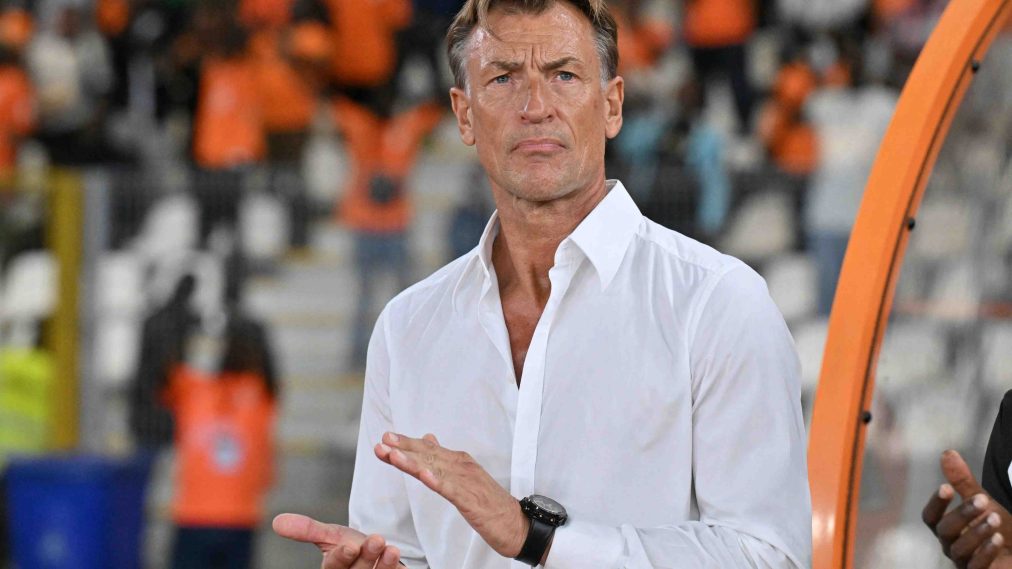
Saudi Arabia reached the final of Gulf Cup 24 in Qatar under French manager Herve Renard, who had overseen a significant rebuilding of the side and helped give it a renewed identity. Expectations were high that the team would complete its progress by lifting the trophy.
Instead, Bahrain won the final 1-0, turning Saudi hopes of victory into disappointment. The defeat also marked the last time Saudi Arabia appeared in the competition’s final before this year’s tournament.
Since that night, the team had been unable to reach the decisive match. Its return now comes under Greek manager Giorgos Donis, with UAE standing between Saudi Arabia and a first Gulf Cup triumph since its previous success.
Renard’s lingering association
Renard is not involved in Gulf Cup 27, and Saudi Arabia will not face him in the final. His presence in the story comes from the memories attached to his time in charge, a period that included important successes but also one of the team’s most recent moments of frustration in the tournament.
As Saudi Arabia prepare to contest the final again after almost seven years, memories of the 2019 defeat have naturally resurfaced. Supporters are hoping this opportunity produces a completely different ending and brings a new trophy after years of waiting.
For the players, overcoming that legacy may provide an additional psychological incentive. The final is not only a chance to win the title, but also to replace the image of the defeat in Qatar with a new chapter written on home soil.
Donis has already guided Saudi Arabia to the final, but reaching it alone will not satisfy supporters who expect the team to go on and win the competition. Playing in front of a home crowd at Alinma Stadium will increase those expectations and make anything short of victory more painful.
The manager must also deal with the physical and technical demands of the occasion. Saudi Arabia’s semi-final against Qatar lasted 120 minutes before being decided by a penalty shoot-out, leaving the team with the effects of a gruelling contest before the final.
The circumstances are different from 2019, as are the manager and the opponent, but the opportunity is clear. UAE now stands in Saudi Arabia’s path, while the home supporters hope Alinma Stadium becomes the setting for a new ending to a story that began with heartbreak in Qatar. A victory, rather than words, is what would finally put those memories behind the team and add another Gulf Cup to Saudi Arabia’s honours.
-
 Police occupy Djibouti FA headquarters as clubs move to oust President Souleiman Waberi Oct 5, 2026
 -
Kylian Mbappe reportedly in Real Madrid power struggle over Ballon d’Or Oct 5, 2026
-
Morocco boss Ouahbi explains cautious approach to Achraf Hakimi Oct 5, 2026
-
Tom Saintfiet presented for Bahrain coaching job ahead of 2027 Asian Cup Oct 5, 2026




-
AFCON 2025: Fixtures, Results, Scores and Standings Jan 18, 2026
-
Match hero Taiwo Awoniyi reflects on team effort after Chelsea triumph May 5, 2026
-
Leadership and long-term vision key to rescuing Zamalek and inspiring Egyptian football – Hany Abou Rida Nov 5, 2025
-
South African giants Orlando Pirates set to lose influential forward Monnapule Saleng Mar 19, 2025




-
AFCON 2027 Qualifiers: McCarthy warns South Africa to expect tough test against Eritrea Sep 29, 2026
-
Denmark v Portugal: Nations League kick-off time, TV channel and match prediction Sep 29, 2026
-
South Sudan vs Egypt: Where to watch AFCON 2027 qualifier Sep 29, 2026
-
France v Belgium: Probable line-ups for Nations League clash Oct 3, 2026