Mexico teachers threaten World Cup strike over wage and pension dispute
Share This Article:
2026 FIFA World Cup

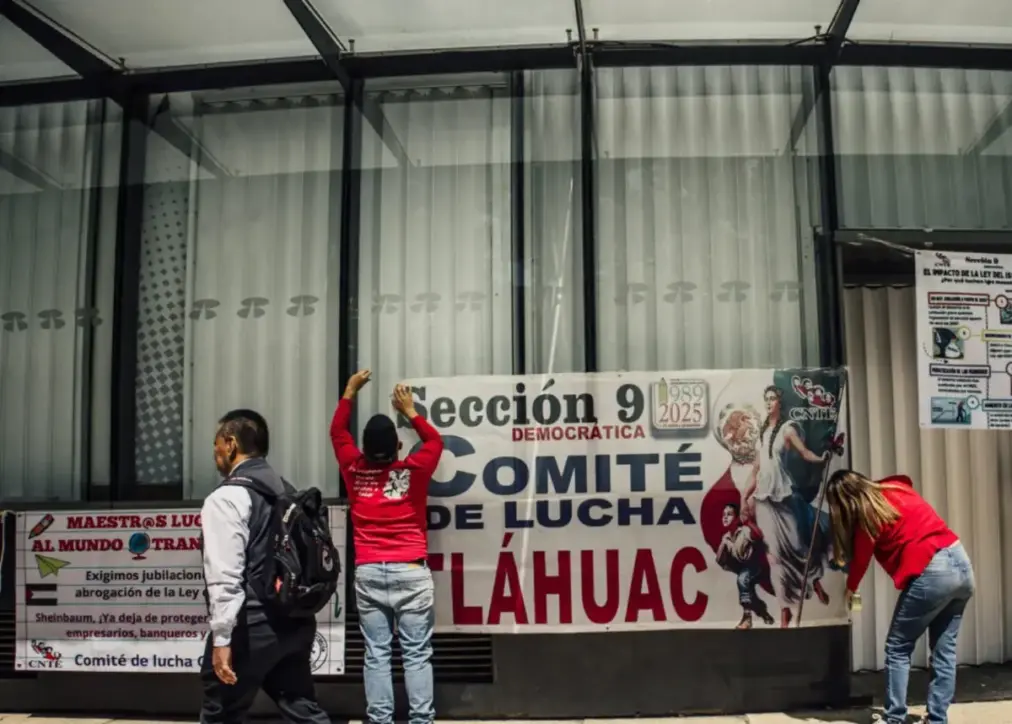
Teachers in Mexico are threatening to stage a national strike during the 2026 FIFA World Cup if the government fails to address long-standing demands related to wages, pensions and working conditions.

The warning was issued by the National Coordinating Committee of Education Workers, commonly known as CNTE, which declared that its demands are “non-negotiable.”

The union is pushing for higher salaries, stronger job security and pension reforms that would guarantee dignified retirement conditions for education workers across the country.

CNTE leaders also renewed criticism of the controversial 2007 ISSSTE law, which restructured pension systems for state employees and remains one of the union’s main grievances.

World Cup preparations overshadowed by labour tensions

The strike threat comes at a sensitive moment as Mexico prepares to co-host the 2026 FIFA World Cup alongside the United States and Canada.

The tournament is scheduled to run from June 11 to July 19, overlapping with the Mexican academic calendar and potentially affecting schools across the country.

The opening match of the competition, featuring Mexico national football team against South Africa national football team, is expected to take place at Estadio Azteca in Mexico City.

Thousands march through Mexico City

On Teacher’s Day, thousands of educators marched through the streets of the capital carrying banners and placards demanding reforms and improved labour conditions.

“The fight isn’t just for teachers; it’s for all workers whose right to a dignified retirement is threatened today,” the CNTE stated during the demonstrations.

“There’s nothing to celebrate when millions of workers face meagre pensions,” the union added.

The protests once again highlighted growing tensions between teachers’ organisations and the government over labour policies and economic conditions.

Government forced to reverse school calendar changes

Earlier this month, the Secretariat of Public Education announced plans to end the school year earlier than scheduled, moving the final day from July 15 to June 5.

Officials cited concerns over an extreme heat wave as well as scheduling complications linked to the World Cup tournament.

However, the proposal quickly faced backlash from teachers’ unions and parents’ associations, forcing authorities to reverse the decision.

Teachers demand deeper reforms

Labour protests involving teachers are not uncommon in Mexico. In May last year, demonstrations linked to wage disputes briefly disrupted operations at Benito Juárez International Airport.

The Mexican government also previously promised a 10 percent salary increase and an additional week of vacation for teachers, but unions insist those measures fall short of the structural reforms they are seeking.

The CNTE maintains that the threat of strike action goes beyond education and reflects a broader struggle for workers’ rights across the country.

With the World Cup expected to attract global attention to Mexico next year, union leaders believe the tournament provides an opportunity to spotlight what they describe as deep-rooted problems within the nation’s education and labour systems.