Eight foreign-born stars, one mission: Jordan Ayew heads Ghana’s global Black Stars at World Cup 2026

Ghana’s opening match against Panama in Toronto on June 17 will carry more than competitive significance. It will also spotlight a squad that reflects the changing geography of modern football, with eight of the 26 Black Stars players born outside Ghana.
Their presence underlines how deeply the national team has evolved into a product of global migration and diaspora identity.
Across the expanded 48-team World Cup, 310 of the 1,248 players were born in countries different from those they now represent.
Ghana’s figure places it among the more internationally constructed squads at the tournament, alongside nations whose football systems have long relied on dual-national talent. For Ghana, however, this is not a passive outcome but a deliberate structural shift in recruitment.
A deliberate shift in identity and selection
The increasing reliance on diaspora-born footballers is no longer an exception in international football. It has become part of how competitive national teams are built.
Ghana’s approach reflects a broader strategic decision to widen its talent pool beyond domestic borders, tapping into players developed in Europe’s elite academies while still maintaining strong cultural ties to home.
The result is a squad that blends locally nurtured players with individuals shaped by contrasting football environments, creating both depth and stylistic variety ahead of a demanding World Cup campaign.
France remains the strongest pipeline
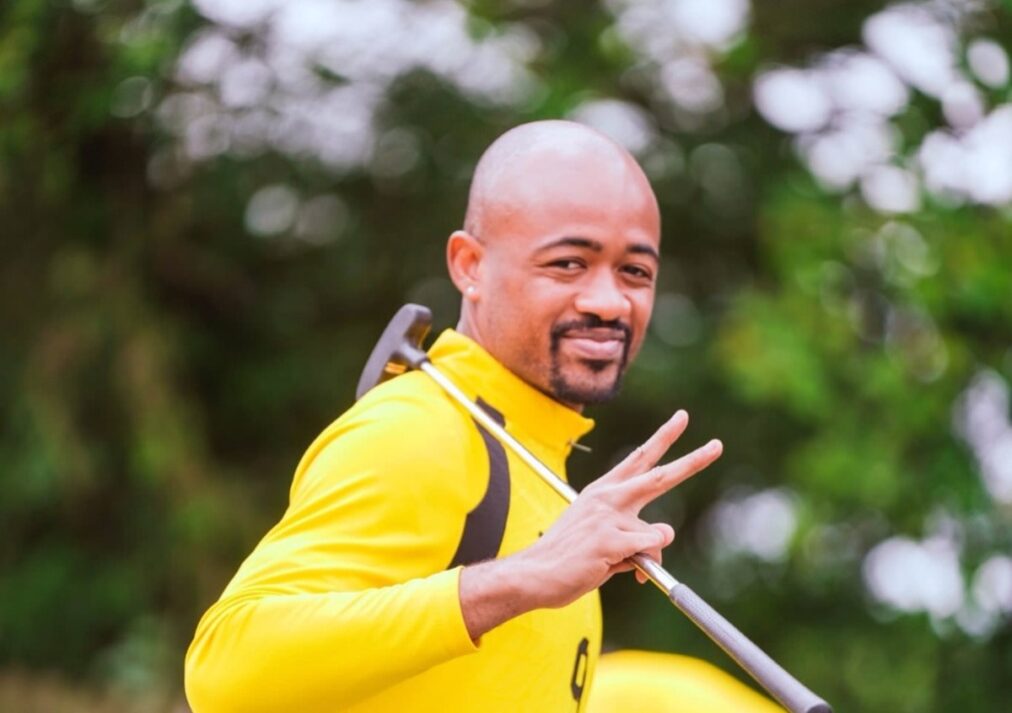
Jordan Ayew
Born in Marseille, Ayew arrives at his third World Cup as the captain and central figure of the Black Stars. As the son of Ghana legend Abedi Pelé, his career has long been defined by expectation and continuity.
Now one of the most experienced members of the squad, he remains a key leadership presence both on and off the pitch.
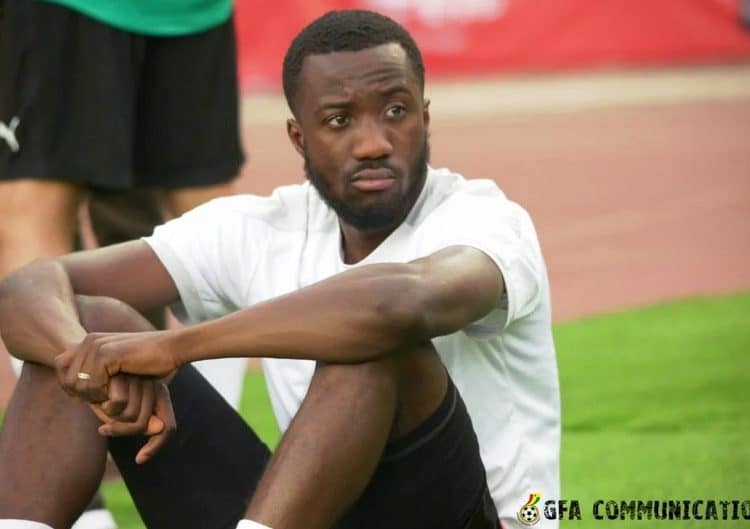
Elisha Owusu
Owusu, born in Montreuil, has established himself as a reliable midfield operator in Ligue 1 with Auxerre. His game is built on control and defensive intelligence, offering balance in a team that often transitions quickly through the centre of the pitch.
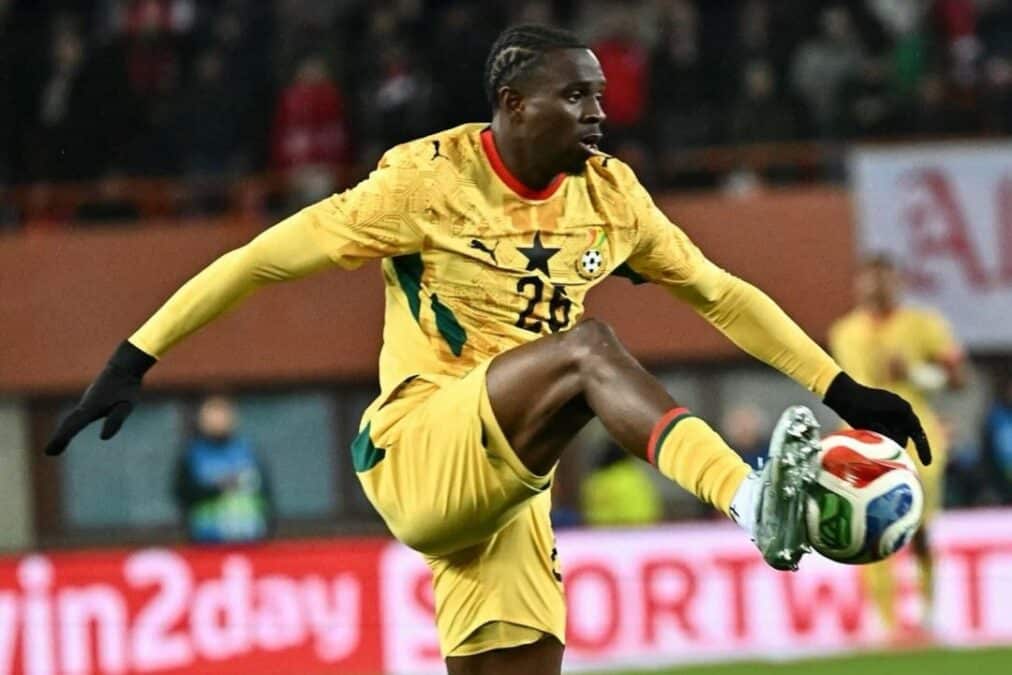
Marvin Senaya
Born in Saint-Renan, Senaya represents one of the newer additions to the squad structure. A right-back with strong tactical discipline, he adds defensive flexibility and depth, while his dual heritage background highlights the increasingly complex identity profiles within the team.
England-born trio strengthens attacking and defensive balance
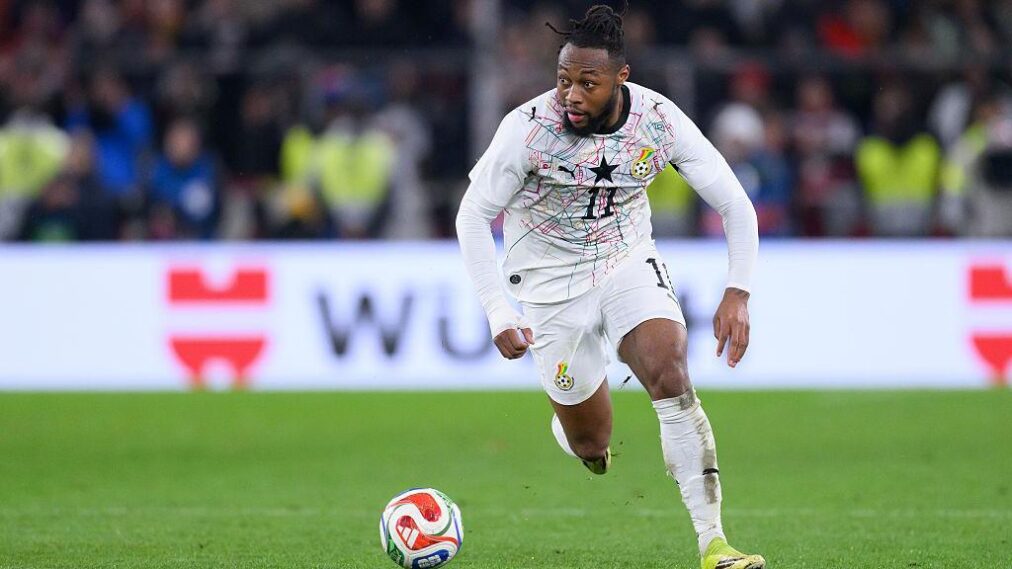
Antoine Semenyo
Semenyo, born in London, has developed into one of the most impactful forwards in the Premier League. His decision to represent Ghana was made early and decisively, and he now enters the tournament as one of the team’s primary attacking threats, combining pace, power and directness.
Brandon Thomas-Asante
Also born in London, Thomas-Asante’s career has been shaped by steady progression through English football’s lower tiers. His rise to Coventry City and eventual national team inclusion reflects persistence and development rather than early prominence, offering Ghana a physically strong option in attack.

Jerome Opoku
Opoku, born in Lambeth, provides physical authority in defence. Standing at 1.97 metres, he brings aerial dominance and composure, offering an important structural presence in Ghana’s back line during high-pressure matches.

Spain’s connection through a symbolic figure
Iñaki Williams
Born in Bilbao, Williams represents one of the most compelling personal stories in the squad. His parents’ journey from Ghana to Spain shaped his upbringing and career, culminating in a record-breaking spell at Athletic Club.
His decision to represent Ghana added emotional weight to his international career, making him one of the most high-profile figures in the squad.

Dutch-born defensive reinforcement
Derrick Luckassen
Born in Amsterdam, Luckassen joined the squad late as an injury replacement. With experience in multiple European leagues and a background in the Netherlands youth system, he brings maturity and defensive reliability to Ghana’s back line at a crucial moment in the tournament build-up.
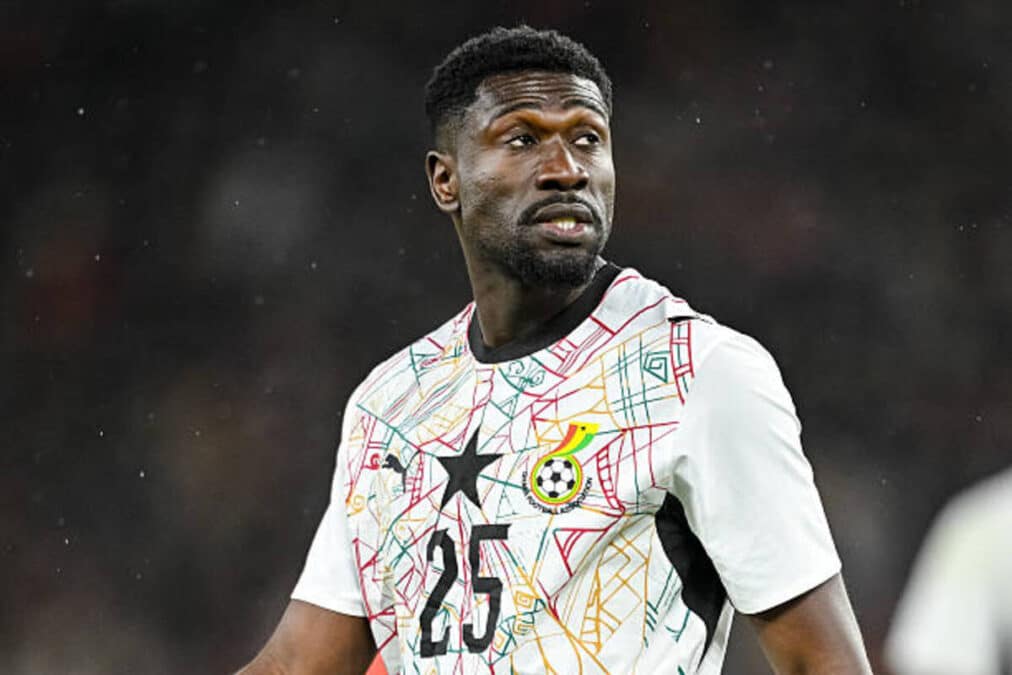
A wider global trend shaping the tournament
The presence of foreign-born players is not unique to Ghana. Across the tournament, player birthplaces highlight decades of migration and football globalisation.
France alone has produced dozens of international representatives for other nations, while several squads rely heavily on diaspora talent.
For Ghana, however, the trend has become increasingly institutional. Recruitment structures targeting players in the United Kingdom and across Europe have expanded, ensuring that eligible talent is identified early and integrated into the national setup before competing national teams intervene.
-
 Bayern Munich consider Jules Kounde as Sacha Boey replacement Oct 10, 2026
 -
Charlotte linked with former Everton midfielder Abdoulaye Doucoure Oct 10, 2026
-
Football betting tips for 10 October: Olise backed to score as Bayern face Augsburg Oct 10, 2026
-
Mayoyo backs Moses Mabhida Stadium as neutral setting for MTN8 final Oct 10, 2026



-
AFCON 2025: Fixtures, Results, Scores and Standings Jan 18, 2026
-
Match hero Taiwo Awoniyi reflects on team effort after Chelsea triumph May 5, 2026
-
Leadership and long-term vision key to rescuing Zamalek and inspiring Egyptian football – Hany Abou Rida Nov 5, 2025
-
South African giants Orlando Pirates set to lose influential forward Monnapule Saleng Mar 19, 2025




-
Croatia face Spain with Nations League hopes on the line in Split Oct 5, 2026
-
France v Belgium: Probable line-ups for Nations League clash Oct 3, 2026
-
Manchester United host winless Tottenham in Premier League clash Oct 7, 2026
-
Morocco coach Mohamed Ouahbi refuses to single out player after Mali draw Oct 4, 2026