Africa needs AFCON every two years after CHAN abolition – DR Congo coach Sébastien Desabre
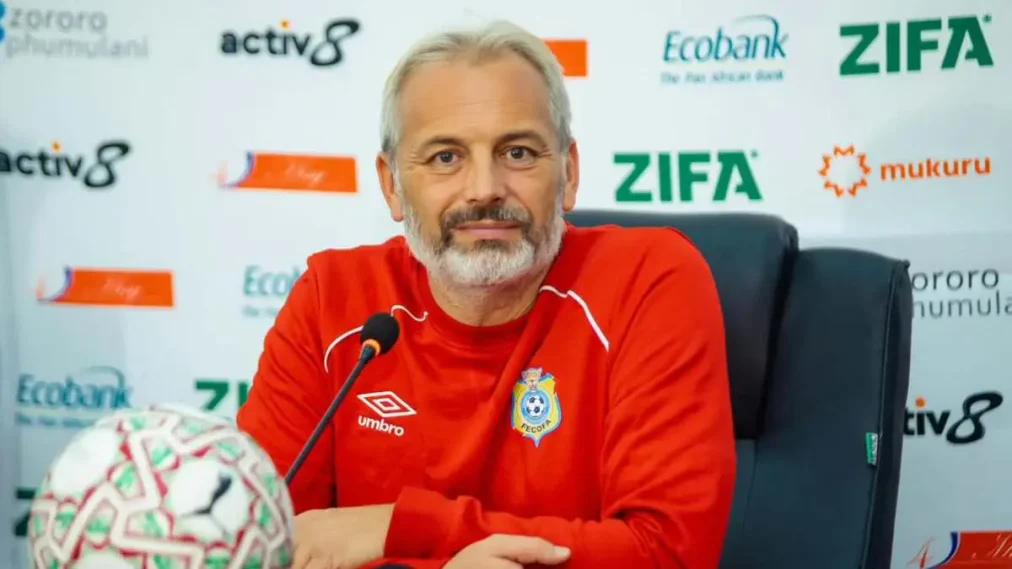
DR Congo coach Sébastien Desabre believes the Africa Cup of Nations (AFCON) should continue to be held every two years, arguing that the tournament plays a vital role in the development of national teams and provides opportunities for players and coaches across the continent.
Desabre has questioned the decision to move towards a four-year cycle for the continent’s flagship football competition, insisting that a longer gap between tournaments could limit opportunities for national teams to improve.
The French coach also expressed concern over the abolition of the African Nations Championship (CHAN), which was designed for players competing in their domestic leagues.
He believes the competition served an important purpose by showcasing the progress of football development across Africa and giving locally based players and coaches an opportunity to demonstrate their abilities on the continental stage.
“Africa needs an AFCON every two years because it allows national teams to improve. There is also enormous anticipation surrounding this competition,” Desabre said.
“With the abolition of CHAN, which I believe was a mistake because it showcased the work being done on the continent and gave local players and coaches an opportunity to demonstrate their abilities, holding AFCON every four years was not a good idea.”
Desabre’s comments highlight concerns about the impact of changes to the international football calendar on the development of African football, particularly for countries seeking to strengthen their national teams and provide more exposure for home-based talent.
AFCON has traditionally been held every two years, giving national teams regular opportunities to compete against the continent’s strongest sides while allowing players to gain experience in high-pressure international tournaments.
For many African countries, the competition also provides an important platform for assessing progress, developing tactical approaches and building teams ahead of other major international assignments.
CHAN, meanwhile, offered a different pathway for players who had not yet secured opportunities in foreign leagues. The tournament was intended to showcase domestic football and provide coaches with an opportunity to assess talent from their respective national leagues.
Desabre’s criticism reflects his view that the two competitions served complementary purposes, with AFCON providing a platform for national teams and CHAN highlighting the development of locally based players.
His remarks come amid wider discussions about the future structure of African football and how the continent can balance the demands of international competitions with the need to invest in domestic leagues and talent development.
The DR Congo coach believes maintaining AFCON’s two-year cycle would help preserve the tournament’s developmental value while meeting the strong anticipation surrounding the competition.
For Desabre, the issue extends beyond the frequency of Africa’s premier international tournament to the opportunities available for players and coaches to develop, compete and showcase their abilities.
-
 Africa needs AFCON every two years after CHAN abolition – DR Congo coach Sébastien Desabre Oct 22, 2026
-
Wiliete SC arrive in Pretoria for decisive CAF Champions League clash against Sundowns Oct 22, 2026
-
Motsepe to chair CAF EXCO meeting as AFCON bidding process tops agenda Oct 22, 2026
-
Young Africans become first team to reach 2026-27 CAF Champions League group stage Oct 22, 2026



-
AFCON 2025: Fixtures, Results, Scores and Standings Jan 18, 2026
-
Match hero Taiwo Awoniyi reflects on team effort after Chelsea triumph May 5, 2026
-
Leadership and long-term vision key to rescuing Zamalek and inspiring Egyptian football – Hany Abou Rida Nov 5, 2025
-
South African giants Orlando Pirates set to lose influential forward Monnapule Saleng Mar 19, 2025




-
PSG v Barcelona: fiery attacks set up Champions League classic at Parc des Princes Oct 18, 2026
-
Champions League: PSG beat Barcelona as Liverpool complete comeback against Villarreal Oct 20, 2026
-
Real Betis v Barcelona: kick-off time, TV details and match preview Oct 16, 2026
-
PSG beat Barcelona 4-2 in Champions League thriller Oct 21, 2026