Africa needs AFCON every two years after CHAN abolition – DR Congo coach Sébastien Desabre
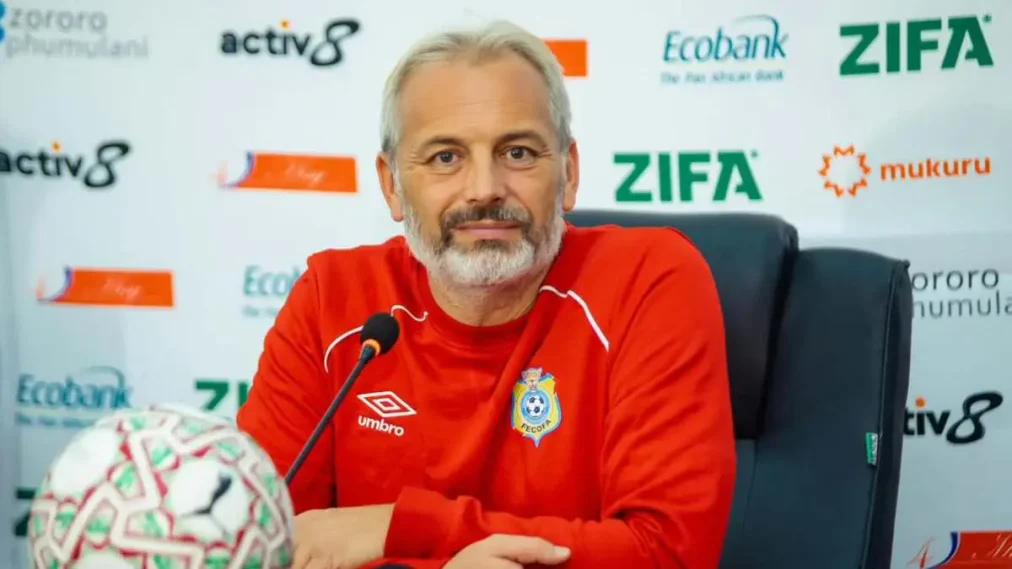
DR Congo coach Sébastien Desabre has opposed plans to stage the Africa Cup of Nations (AFCON) every four years, arguing that the competition plays a crucial role in the development of African national teams.
Desabre believes the tournament should retain its current two-year cycle, insisting that regular participation provides national teams with opportunities to improve while maintaining the excitement surrounding Africa’s biggest football competition.
His comments come amid growing debate over the future of AFCON following plans announced by Confederation of African Football (CAF) president Patrice Motsepe to change the tournament’s frequency from 2028.
“ Africa needs an AFCON every two years because it allows national teams to improve. There is also enormous anticipation surrounding this competition,” Desabre said.
The French coach also criticised the abolition of the African Nations Championship (CHAN), a tournament reserved for players competing in their domestic leagues.
He argued that CHAN provided an important platform for local players and coaches to showcase their abilities and demonstrate the progress being made in African football.
“With the abolition of CHAN, which I believe was a mistake because it showcased the work being done on the continent and gave local players and coaches an opportunity to demonstrate their abilities, holding AFCON every four years was not a good idea,” he added.
CAF reconsidering AFCON format
In December 2025, ahead of the start of the Africa Cup of Nations in Morocco, Motsepe announced plans to move AFCON from its traditional two-year schedule to a four-year cycle from 2028.
The proposal formed part of wider discussions about the organisation of African football competitions and the international football calendar.
However, almost a year after the announcement, the plan is reportedly being reconsidered amid opposition from those who believe the tournament should continue to be held every two years.
The debate centres on the competition’s importance to African football, including its role in providing regular opportunities for national teams to compete at the highest continental level.
Supporters of the existing format argue that a two-year cycle helps countries maintain competitive momentum, develop their squads and give players more opportunities to represent their nations in a major tournament.
A four-year cycle, meanwhile, would bring AFCON into line with the frequency of the European Championship and the FIFA World Cup, although the implications for African teams and the continent’s football calendar remain central to the discussion.
November vote to determine AFCON’s future
The issue is expected to feature prominently at the upcoming CAF General Assembly in Nigeria on 21 November.
Motsepe is reportedly expected to put the proposal to a vote at the meeting, potentially giving African football associations an opportunity to determine whether the tournament should move to a four-year cycle or retain its current format.
The outcome could have significant implications for national teams, players, coaches and football associations across the continent.
For Desabre, however, the importance of maintaining AFCON every two years extends beyond the competition itself.
His concerns about the abolition of CHAN also highlight the need to preserve opportunities for locally based players and coaches to gain international experience and attract attention.
As CAF prepares to discuss the future of its flagship national-team competition, the debate over AFCON’s frequency is likely to remain a major issue for African football stakeholders.
-
 Chrislain Matsima ruled out for weeks with adductor injury Nov 11, 2026
-
Patrick Maswanganyi says missing 2026 FIFA World Cup with Bafana Bafana ‘hurt’ Nov 11, 2026
-
Mamelodi Sundowns Ladies reach CAF Women’s Champions League final after Kawempe rout Nov 11, 2026
-
Fadlu Davids adds three South Africans to Young Africans technical team Nov 11, 2026


-
AFCON 2025: Fixtures, Results, Scores and Standings Jan 18, 2026
-
Match hero Taiwo Awoniyi reflects on team effort after Chelsea triumph May 5, 2026
-
Leadership and long-term vision key to rescuing Zamalek and inspiring Egyptian football – Hany Abou Rida Nov 5, 2025
-
South African giants Orlando Pirates set to lose influential forward Monnapule Saleng Mar 19, 2025




-
Manchester United host Aston Villa as both sides seek a Premier League lift Nov 6, 2026
-
Ali Maher names first Egypt squad for 2027 Africa Cup of Nations qualifiers Nov 9, 2026
-
Atletico Madrid host Barcelona in Liga summit clash with history at stake Nov 6, 2026
-
Nottingham Forest v Manchester City: City Ground hosts clash at opposite ends of the table Nov 6, 2026