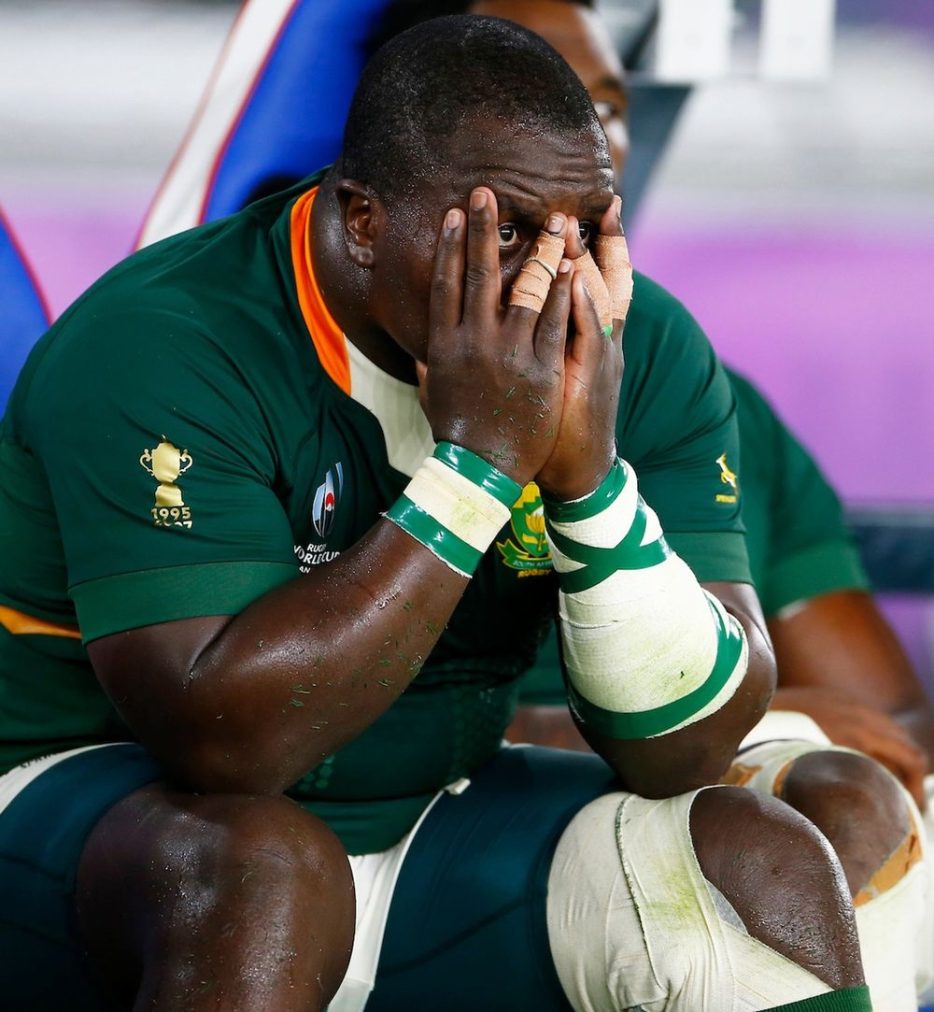
Springbok Rugby World Cup winner Trevor Nyakane and Bafana Bafana defender Grant Kekana are using their own experiences to raise awareness of South Africa’s male obesity epidemic.
The pair have joined Mamelodi Sundowns goalkeeper Reyaad Pieterse and sports dietitian Reabetjoe “Rea” Mokoko for Novo Nordisk’s Live Lighter campaign.
Although Nyakane, Kekana and Pieterse represent the highest level of South African sport, each has faced concerns familiar to millions of men: persistent tiredness, weight gain and anxiety that declining health could reduce the time they have with their children.
Figures from the South African Heart Foundation show that 31% of men in South Africa are classified as overweight or obese. That significantly increases the risk of hypertension, type 2 diabetes and cardiovascular disease.
Despite the scale of the issue, men’s health and weight remain subjects that are rarely discussed openly, either at home or in professional dressing rooms.
For the three sportsmen, the programme has not been about improving their appearance or meeting a team target. Instead, it has involved confronting concerns about their long-term health.
In rugby, a large physique is often regarded as essential, but Nyakane said he needed to distinguish between the size required for performance and the weight that could affect his future.
“In rugby, they get you to bulk up, but we want ‘good heavy’ – the leaner, the better,” he said.
“For me, health is about life after rugby. Am I going to be a healthier person once I’m done playing? It’s knowing that as soon as I’m done, I can live longer for my daughter and my wife.”
The 36-year-old also encouraged men to seek medical advice when required.
“Us men don’t like doing all these checks, but it’s very important,” he said. “It’s all about a healthier me, knowing I’ll still be able to chase her around when my daughter wants to be naughty.”
For Kekana, the problem became impossible to ignore when tiredness began affecting both his everyday life and his performances.
“I was feeling very heavy. I felt like I was carrying a monkey on my back; feeling really tired,” he said.
“There were games where I hoped I’d make it through the first half. I never really understood why I felt the way I was feeling until I asked questions. My ego was dented but then I realised it’s time to kick-start my health game.”
Pieterse said he had long been part of the overweight group and had experienced the demands that came with it.
“We were always part of the overweight group, which used to suck as you obviously had to train harder than anyone else and you couldn’t eat what you wanted to,” he said. “That was the eye-opener for me to say I can’t be putting my body through this.”
Mokoko’s approach has focused on gradual dietary changes, portion control and regular medical check-ups, while allowing the participants to continue eating traditional foods.
Pieterse said the changes had already improved his daily life.
“Now I feel good about myself. I’ve got the time and correct energy to spend with my kids as well,” he said.
The campaign’s message is that managing weight and seeking medical advice are not signs of weakness, but responsibilities to the families who depend on them.
-
 Yan Diomande makes his mark as Real Madrid critics begin to change tune Sep 16, 2026
 -
Yves Bissouma completes move to Ajax Amsterdam on deal until 2027 Sep 16, 2026
-
Krepin Diatta offered route back into football after remaining without a club Sep 16, 2026
-
Brentford v Chelsea: Bees unbeaten as Blues seek Premier League response Sep 16, 2026


-
AFCON 2025: Fixtures, Results, Scores and Standings Jan 18, 2026
-
Leadership and long-term vision key to rescuing Zamalek and inspiring Egyptian football – Hany Abou Rida Nov 5, 2025
-
South African giants Orlando Pirates set to lose influential forward Monnapule Saleng Mar 19, 2025
-
Match hero Taiwo Awoniyi reflects on team effort after Chelsea triumph May 5, 2026




-
Slavia Prague v RC Lens: Champions League opener, kick-off time and how to watch Sep 9, 2026
-
Tanzania’s Clara Luvanga becomes world’s most expensive female footballer Sep 10, 2026
-
Omar Rekik joins Ludogorets from NK Maribor in €300k transfer Sep 9, 2026
-
Mohamed Fathi emerges as potential PSL option amid South Africa coaching shake-up Sep 11, 2026