World Cup 2026: Senegal captain Kalidou Koulibaly laments low African fans turnout at tournament
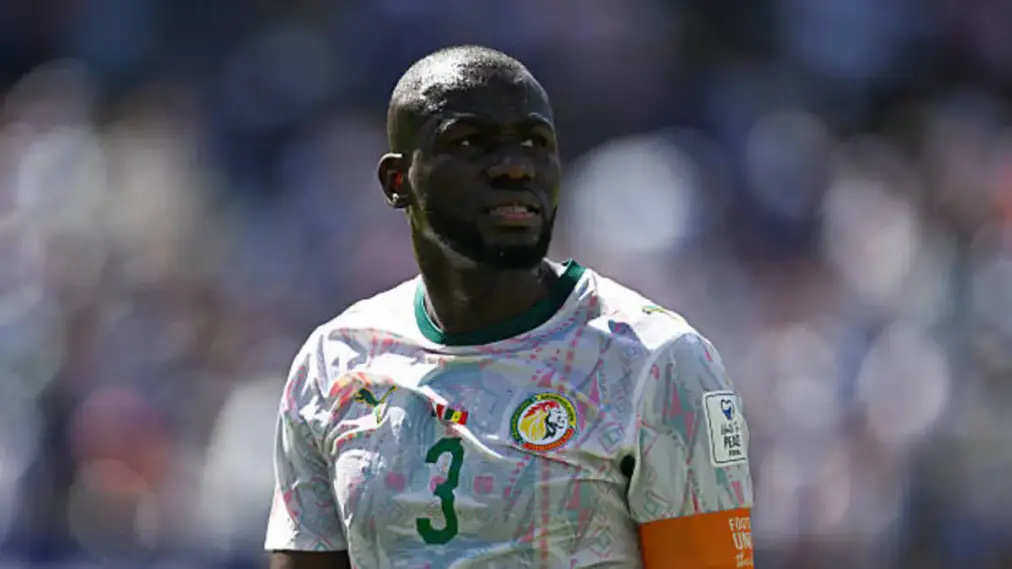
Senegal captain Kalidou Koulibaly has expressed his disappointment over the difficulties many African supporters have faced in travelling to the United States for the FIFA World Cup.
The issue has become a major talking point during the tournament, with numerous supporters from African countries reportedly unable to make the journey due to challenges in obtaining travel visas. As a result, several African teams have been forced to compete without the large contingent of supporters that traditionally follow them to major international competitions.
For players representing their nations on football’s biggest stage, the absence of passionate fans in the stands has been particularly noticeable. African supporters are renowned for bringing colour, energy and atmosphere to tournaments, and their reduced presence has left many players and officials disappointed.
Speaking in an interview with The Athletic, Koulibaly expressed his frustration at the situation and questioned why supporters from some parts of the world were finding it more difficult to attend the tournament than others.
“Every national team can have its supporters, so why not the Africans?” the Senegal defender said.
The former captain of Senegal national football team was careful not to turn the discussion into a political debate, instead stressing that his concern was rooted in the spirit of football and the role supporters play in the game.
“I don’t want to talk about politics or that sort of thing. I just want to talk about football, enjoy football, and I think football is for everyone.”
Koulibaly’s comments echo concerns raised by many supporters and observers who believe global tournaments should provide equal opportunities for fans from all participating nations to be present and support their teams. The issue has affected several African countries competing at the World Cup, with many supporters reportedly encountering lengthy delays and complications during the visa application process.
The absence of travelling fans has been felt by teams seeking the emotional boost that comes from seeing familiar colours and hearing the backing of their supporters in the stands. For many players, representing their nation at a World Cup is about more than results on the pitch—it is also about sharing the experience with the people who have supported them throughout their journey.
As Senegal continue their World Cup campaign, Koulibaly hopes the focus can remain on football while also drawing attention to the challenges facing African supporters. His message was simple: football is a global game, and every fan should have the opportunity to be part of its biggest celebrations.
The defender’s remarks are likely to resonate across the continent, where many supporters have followed the tournament from afar despite dreaming of being present in the stadiums to cheer on their national teams. For Koulibaly, ensuring that fans from all backgrounds can participate in the spectacle of the World Cup is essential to preserving the inclusive spirit that makes football the world’s most popular sport.
-
 Mamelodi Sundowns give Lazola Maku time to adapt after free-agent move Oct 21, 2026
 -
Sundowns face Champions League ‘final’ to avoid early exit Oct 21, 2026
-
Orlando Pirates await Kamogelo Sebelebele injury update before African Stars tie Oct 21, 2026
-
Moussa Ndiaye to miss Werder Bremen’s upcoming fixtures with groin injury Oct 21, 2026



-
AFCON 2025: Fixtures, Results, Scores and Standings Jan 18, 2026
-
Match hero Taiwo Awoniyi reflects on team effort after Chelsea triumph May 5, 2026
-
Leadership and long-term vision key to rescuing Zamalek and inspiring Egyptian football – Hany Abou Rida Nov 5, 2025
-
South African giants Orlando Pirates set to lose influential forward Monnapule Saleng Mar 19, 2025




-
PSG v Barcelona: fiery attacks set up Champions League classic at Parc des Princes Oct 18, 2026
-
Champions League: PSG beat Barcelona as Liverpool complete comeback against Villarreal Oct 20, 2026
-
Real Betis v Barcelona: kick-off time, TV details and match preview Oct 16, 2026
-
PSG beat Barcelona 4-2 in Champions League thriller Oct 21, 2026