Carlos Queiroz set for record-breaking World Cup run as Ghana begin campaign against Panama
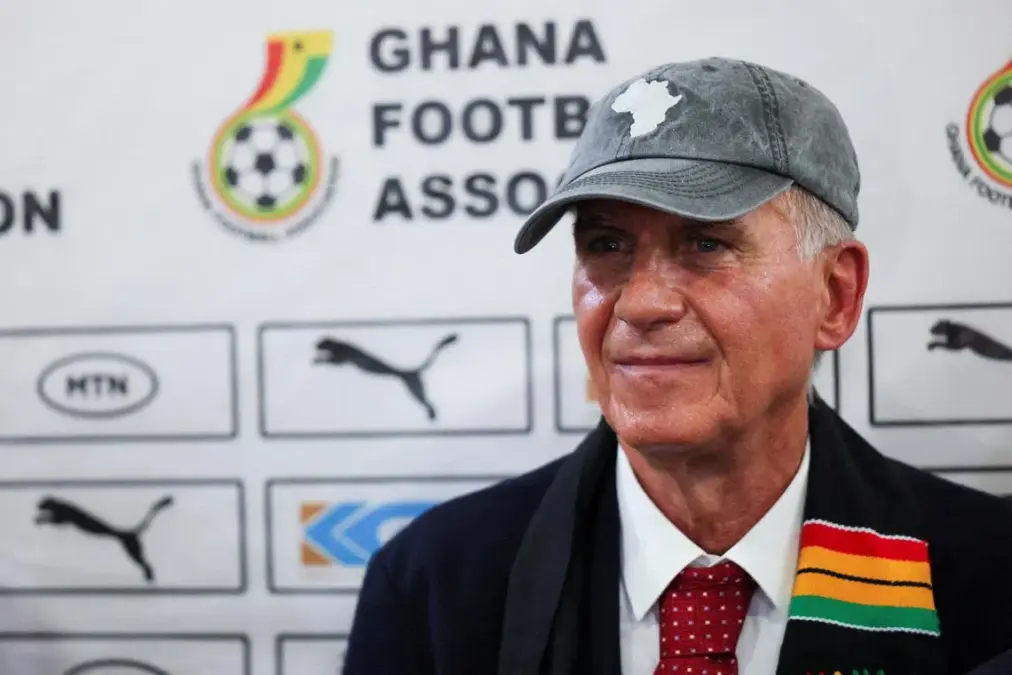
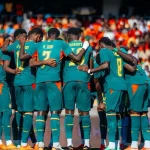
Carlos Queiroz is poised to etch his name into World Cup history this week, moving within reach of an unprecedented coaching milestone as he leads Ghana national football team into their Group L opener against Panama in Toronto on Wednesday.
The 73-year-old, appointed by Ghana in April following the dismissal of Otto Addo after a disappointing run of friendly results, extends a World Cup managerial journey that has spanned more than a decade and multiple national teams.
Queiroz first appeared at the tournament with Portugal in 2010 before going on to oversee Iran across three successive editions in 2014, 2018 and 2022.
His run places him alongside the remarkable record of five consecutive World Cup appearances set by Bora Milutinović between 1986 and 2002, achieved with five different national sides.
While Brazil’s Carlos Alberto Parreira holds the overall record with six World Cup tournaments as a coach, Queiroz is now on the verge of matching that consistency of presence on the global stage in successive cycles.
His appointment in Ghana came unexpectedly. Until April, he was not expected to feature at this year’s tournament in North America, with his most recent job having been in Oman—his eighth national team assignment in a globe-spanning coaching career that has also included spells at Real Madrid and as assistant to Alex Ferguson at Manchester United.
Admired in some circles for his tactical discipline but viewed more critically in others, Queiroz has long divided opinion. Former Manchester United captain Roy Keane once famously dismissed him in unflattering terms, reflecting the contrasting perceptions that have followed him through his career.
In Portugal, however, he is widely credited with helping shape a generation. He guided the country’s U-20 side to back-to-back World Cup titles in 1989 and 1991, nurturing future stars such as Luís Figo, Paulo Sousa and João Pinto, and laying what many believe became the foundation for Portugal’s modern football identity.
A’Bola, a leading Portuguese sports daily, recently praised his long-term influence, arguing that his legacy extends beyond results to the development of a structured football culture that integrated academic thinking into coaching methodology.
Now, nearly four decades into his coaching journey, Queiroz turns his attention to Ghana’s World Cup challenge, insisting he remains fully committed to the task ahead.
“I am prepared for this,” he said upon taking the job. “I bring 40 years of experience to every decision that will be made.”
-
 Lamine Yamal wants Barcelona to prioritise Hamza Abdelkarim over Haaland Oct 4, 2026
 -
Egypt defender Mohamed Hany remains undecided on Al Ahly contract renewal Oct 4, 2026
-
El Sharqia Enppi beat Zamalek 2-1 in friendly Oct 4, 2026
-
Senegal edge Comoros to end international break on winning note Oct 4, 2026

-
AFCON 2025: Fixtures, Results, Scores and Standings Jan 18, 2026
-
Match hero Taiwo Awoniyi reflects on team effort after Chelsea triumph May 5, 2026
-
Leadership and long-term vision key to rescuing Zamalek and inspiring Egyptian football – Hany Abou Rida Nov 5, 2025
-
South African giants Orlando Pirates set to lose influential forward Monnapule Saleng Mar 19, 2025




-
AFCON 2027 Qualifiers: McCarthy warns South Africa to expect tough test against Eritrea Sep 29, 2026
-
Denmark v Portugal: Nations League kick-off time, TV channel and match prediction Sep 29, 2026
-
South Sudan vs Egypt: Where to watch AFCON 2027 qualifier Sep 29, 2026
-
Spain and Croatia set for Nations League clash as unbeaten world champions defend perfect start Sep 28, 2026