South African football rocked by financial dispute between SAFA and former Bafana Bafana team manager
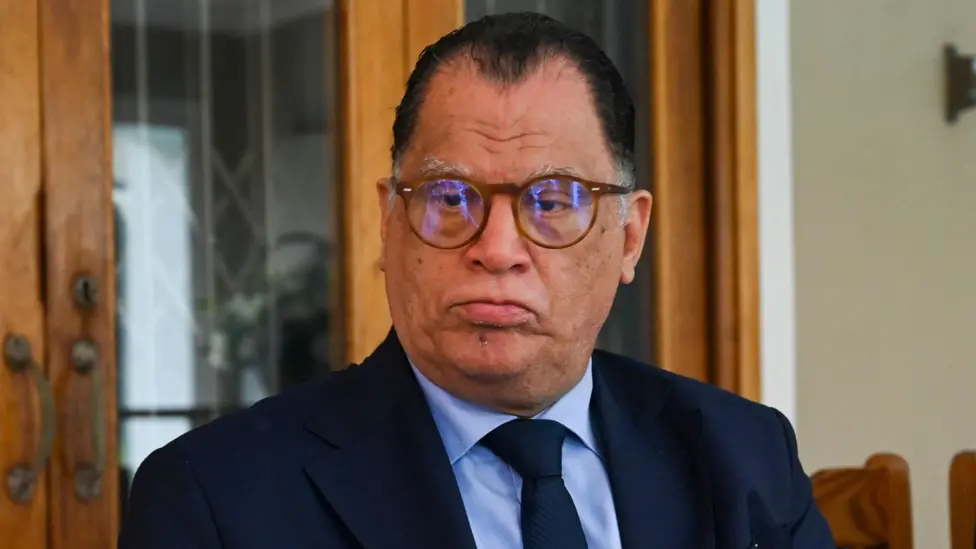
South African football has been drawn into another administrative and financial controversy following a dispute between the South African Football Association (SAFA) and former Bafana Bafana team manager Vincent Tseka over nearly R850,000 in operational expenses and outstanding 2026 FIFA World Cup bonuses.
The disagreement has intensified after Tseka reportedly demanded that SAFA settle his outstanding bonus claims within seven days, while the association has rejected his financial demands and questioned allegations he has made against its leadership.
According to reports, Tseka is yet to account for approximately R850,000 in operational expenses incurred during his time with the national team. The outstanding documentation has reportedly become a major issue, with concerns that it could affect his pension arrangements.
The former team manager, however, has maintained his position in the dispute and has previously challenged the amounts being attributed to him.
Speaking to TimesLIVE, Tseka accused the association of making him a scapegoat for several administrative failures that occurred during his time with Bafana Bafana.
Among the issues he addressed were the visa problems that emerged ahead of the 2026 FIFA World Cup and the controversy surrounding midfielder Teboho Mokoena’s suspension, which threatened South Africa’s participation in the tournament.
Tseka’s comments have further intensified the disagreement, with the former official seeking to defend his role in the national team’s administrative operations while demanding that SAFA fulfil its financial obligations to him.
However, SAFA has strongly pushed back against his claims.
In an official statement released on November 27, the association rejected Tseka’s demands for World Cup bonuses, insisting that it had not received any formal claim from the former employee.
SAFA explained that bonus payments are subject to its remuneration policy and are not automatically granted to officials simply because they were involved in a particular assignment.
“Bonus payments are governed by SAFA’s remuneration policy and are not automatic. No bonus was declared in this instance,” the association stated.
The governing body also dismissed allegations that its president, Danny Jordaan, had used association funds for election-related activities in 2022.
SAFA challenged Tseka to provide evidence to support the allegation, maintaining that serious accusations against its leadership should not be made without supporting documentation.
The association also defended the responsibilities assigned to the former team manager, explaining that arranging training facilities, processing visa applications and monitoring players’ suspension situations were among the duties attached to his position.
These responsibilities have become central to the disagreement, particularly following Tseka’s attempt to distance himself from the administrative problems that affected Bafana Bafana during the period in question.
“Where allegations are made, they should be supported by evidence,” SAFA emphasised, while urging the former official to refrain from making what it described as unfounded accusations.
The association’s response has added another dimension to an already sensitive dispute, with both parties maintaining contrasting positions over the financial and administrative issues.
Tseka retired in 2024 but subsequently received a two-year contract extension, which expired on July 31, 2026.
The reported outstanding operational expenses and the disagreement over his financial claims have now placed his post-employment benefits under scrutiny, with Sportswire reporting that the unresolved documentation could put his pension at risk.
For now, the dispute remains unresolved, with SAFA standing by its official position while Tseka continues to contest the financial issues surrounding his departure.
The developments have once again brought attention to administrative accountability within South African football, particularly regarding the management of national team operations, financial records and the responsibilities of football officials.
-
 South African football rocked by financial dispute between SAFA and former Bafana Bafana team manager Nov 29, 2026
-
Tragedy strikes Ivorian football as two killed in road accident involving Atlantis FC delegation Nov 29, 2026
-
Kelechi Iheanacho extends scoring streak with 19th goal in Bursaspor draw against Vanspor Nov 29, 2026
-
Senegal’s Abdallah Sima makes Ligue 1 history after scoring five goals in Lens win Nov 29, 2026



-
AFCON 2025: Fixtures, Results, Scores and Standings Jan 18, 2026
-
Match hero Taiwo Awoniyi reflects on team effort after Chelsea triumph May 5, 2026
-
Leadership and long-term vision key to rescuing Zamalek and inspiring Egyptian football – Hany Abou Rida Nov 5, 2025
-
South African giants Orlando Pirates set to lose influential forward Monnapule Saleng Mar 19, 2025




-
Morocco insiders confident of CAS victory in bitter AFCON title dispute with Senegal Nov 23, 2026
-
Barcelona drop Hamza Abdel Karim and Lamine Yamal from Sabah clash Nov 23, 2026
-
AFCON 2025: CAF will respect CAS ruling on Morocco-Senegal final dispute – Motsepe Nov 24, 2026
-
Morocco and Mali lead Africa’s charge at 2026 FIFA U-17 World Cup Nov 23, 2026