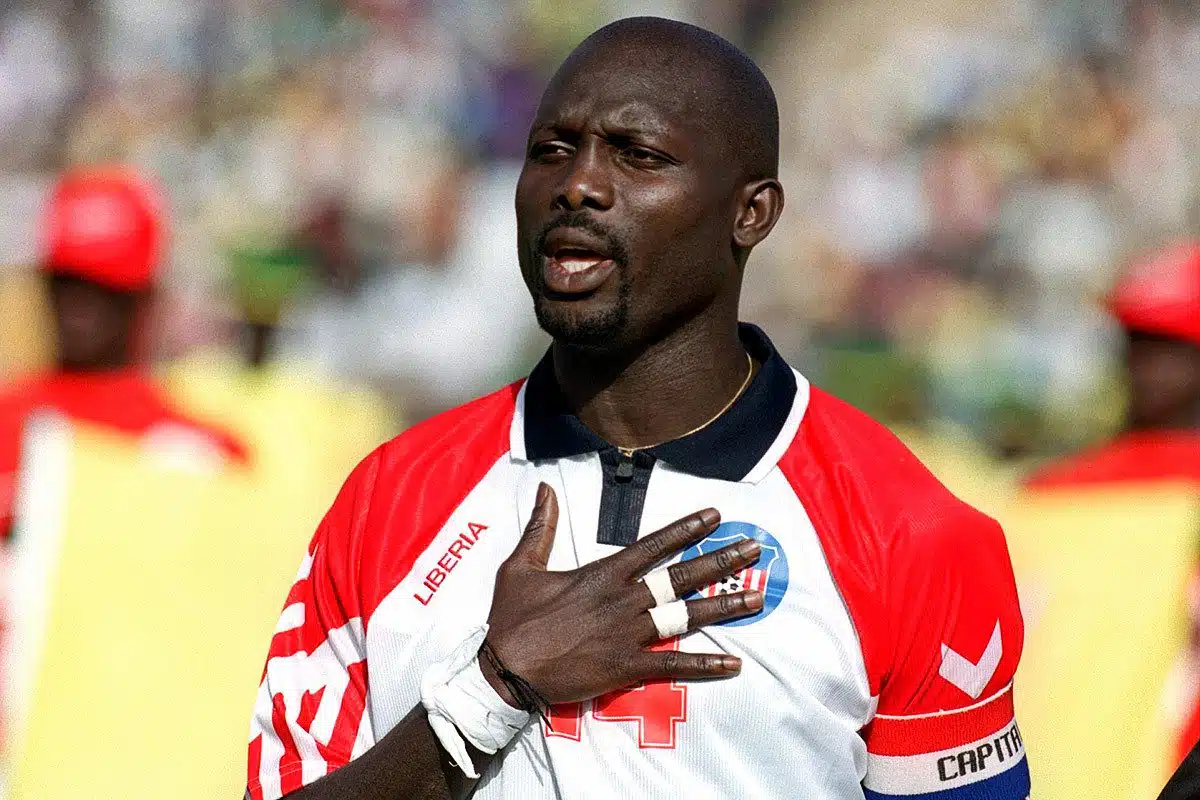
Short-term gamble or masterstroke? Queiroz’s tough task – fixing Ghana without Kudus & Salisu

Ghana’s decision to appoint Carlos Queiroz as Black Stars head coach was confirmed today, throwing the veteran straight into one of the most demanding assignments in international football.
Ghana Football Association announced the move on April 13, 2026, with the World Cup just months away, leaving little room for adjustment, and even less for excuses.
But if the timing alone wasn’t enough pressure, the situation he inherits makes the task even tougher.
Ghana will head into the 2026 FIFA World Cup without two of their most influential players, Mohammed Kudus and Mohammed Salisu. Their absence strips the team of creativity, leadership, and balance at both ends of the pitch, leaving Queiroz to rebuild a competitive side almost overnight.
Kudus, Ghana’s most dangerous attacking outlet in recent years, has been the player capable of turning tight games with moments of brilliance. Without him, the Black Stars lose unpredictability, the kind that unsettles even the best defences. His ability to carry the ball, create chances, and score crucial goals has often masked Ghana’s attacking inconsistencies.
At the back, Salisu’s absence is just as significant. Calm, composed, and tactically aware, he has been a cornerstone of Ghana’s defence. Without him, the backline loses its natural organiser, forcing others to step into roles they are still growing into. It is a double blow that leaves Ghana vulnerable both offensively and defensively.
And that is where Queiroz’s reputation will be tested.
The 73-year-old arrives with one of the most extensive managerial résumés in international football. From mentoring Portugal’s “Golden Generation” to managing elite clubs like Real Madrid and working alongside Alex Ferguson at Manchester United, his career has been defined by high-pressure environments.
More importantly, he understands tournament football. Queiroz has led multiple nations, including Portugal national football team and Iran national football team, to the FIFA World Cup, building teams that are organized, disciplined, and difficult to break down.
That experience is precisely why Ghana turned to him now.
With less than three months to the tournament, the GFA is betting on experience over experimentation. The expectation is clear: stabilize the team quickly and make Ghana competitive on the global stage.
Yet, the challenge is enormous.
Ghana have been drawn into a difficult group alongside England national football team, Croatia national football team, and Panama national football team, a mix of tactical discipline, technical quality, and physical intensity. Without Kudus and Salisu, the margin for error becomes even smaller.
Still, this is the kind of situation where Queiroz has built his legacy.
He is not known for free-flowing attacking football; instead, his teams are compact, structured, and resilient. His Iran side, for example, became one of the hardest teams to break down in international football, often frustrating stronger opponents. That same blueprint could now define Ghana’s approach, defensive solidity, tactical discipline, and efficiency in transition.
It also creates an opportunity.
With key players missing, others must step forward. Emerging talents and fringe players now have the chance to claim responsibility, reshape the team’s identity, and prove that Ghana’s strength lies beyond individual stars. Sometimes, adversity forces clarity, and clarity can lead to cohesion.
But the risk remains undeniable.
If Ghana struggle, the late appointment will be questioned. Critics will argue that the federation gambled too late, placing too much faith in experience without enough time for implementation. But if Queiroz succeeds, if he organizes this team, makes them competitive, and perhaps even guides them out of a tough group, it will be seen as a bold and inspired decision.
For now, the reality is simple.
Queiroz must rebuild quickly. He must simplify roles, instill belief, and create a system that compensates for the absence of two key players. He must turn limitations into strengths.
Short-term gamble or masterstroke?
In a matter of months, on football’s biggest stage, Ghana and Queiroz will provide the answer.
Popular News



-
AFCON 2025: Fixtures, Results, Scores and Standings
Jan 18, 2026 -

Leadership and long-term vision key to rescuing Zamalek and inspiring Egyptian football – Hany Abou Rida
Nov 5, 2025 -

South African giants Orlando Pirates set to lose influential forward Monnapule Saleng
Mar 19, 2025 -

Full schedule for 2025 Africa Cup of Nations in Morocco confirmed
Feb 12, 2025
-
2025/26 CAF Confederation Cup: Fixtures, Results, Tables and Standings
Apr 11, 2026 -
2025/26 CAF Champions League: Fixtures, Results, Tables and Standings
Apr 12, 2026 -
FEATURE: Football greats who never played at a World Cup
Apr 11, 2026 -
Egypt step up preparations with key friendlies ahead of 2026 World Cup
Apr 11, 2026