Senegal not obliged to return AFCON trophy, Lawyers clarify after CAF ruling
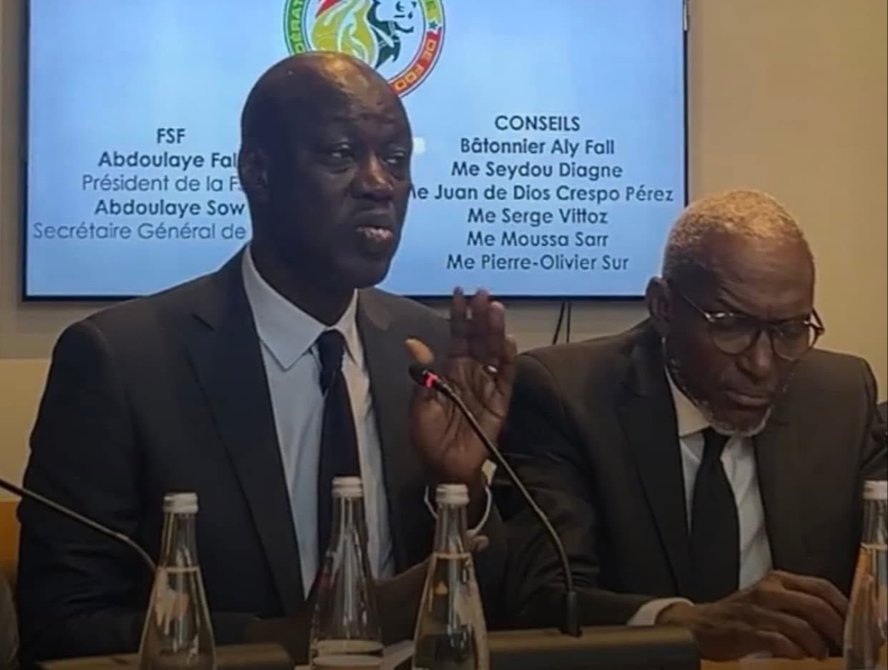
Senegal’s Football Federation has clarified its position following the Confederation of African Football (CAF) Appeals Committee ruling that has stirred debate over the nation’s Africa Cup of Nations (AFCON) title.
Lawyer Seidou Diagne, representing the federation, stressed that the decision does not compel Senegal to return the trophy.
“The decision does not say the title must be taken away,” Diagne said, adding that the ruling also does not require players to return their medals.
“It also does not ask for the medals to be returned,” he emphasized, underlining that the federation faces no legal obligation to surrender either the trophy or medals.
The statement comes amid controversy over the Appeals Committee’s interpretation, with many questioning the status of Senegal’s championship. The federation insists its claim to the title remains valid.
Background:
Senegal defeated Morocco 1-0 in extra time during the final on January 18, but the CAF Appeals Committee later ruled against them after the team walked off the field in the 17th minute following a stoppage-time penalty awarded to Morocco.
Article 82 of the tournament regulations states that any team leaving the field without the referee’s authorization is considered to have forfeited the match, resulting in elimination.
Based on this, Morocco was declared the winner with a 3-0 scoreline, securing their first AFCON title in 50 years.
In response, Senegal has appealed to the Court of Arbitration for Sport (CAS) over the decision. The Swiss-based tribunal confirmed receipt of the appeal on March 25.
“The Court of Arbitration for Sport (CAS) confirms receipt of an appeal by the Senegalese Football Federation (FSF) against the Confederation of African Football (CAF) and the Royal Moroccan Football Federation,” the CAS said in a statement.
CAS Director General Matthieu Reeb added: “We understand that teams and fans are eager to know the final decision, and we will ensure that arbitration proceedings are conducted as swiftly as possible, while respecting the right of all parties to a fair hearing.”
Popular News



-

AFCON 2025: Fixtures, Results, Scores and Standings
Jan 18, 2026 -

Leadership and long-term vision key to rescuing Zamalek and inspiring Egyptian football – Hany Abou Rida
Nov 5, 2025 -

South African giants Orlando Pirates set to lose influential forward Monnapule Saleng
Mar 19, 2025 -

Full schedule for 2025 Africa Cup of Nations in Morocco confirmed
Feb 12, 2025

-
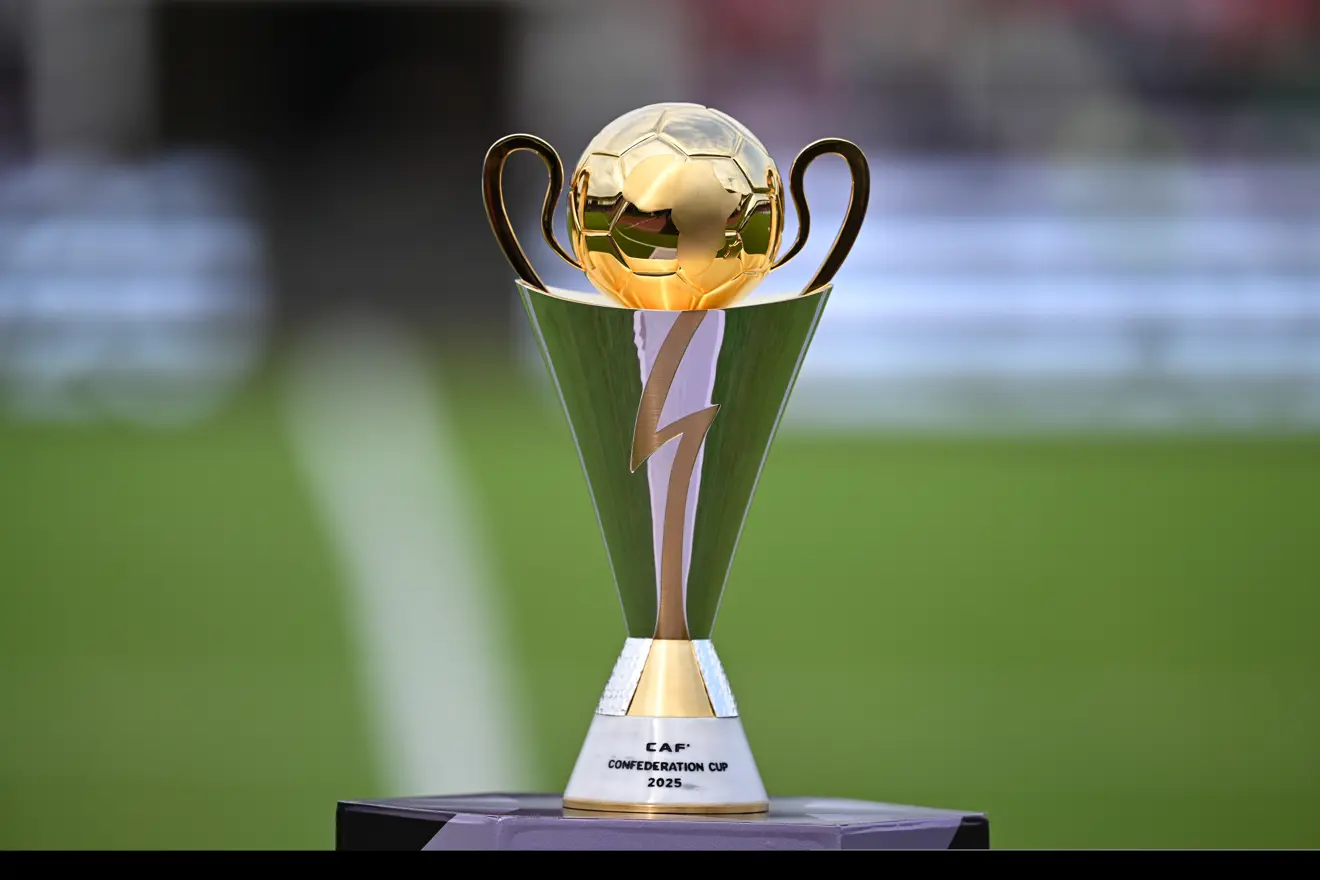
2025/26 CAF Confederation Cup: Fixtures, Results, Tables and Standings
Mar 21, 2026 -

2025/26 CAF Champions League: Fixtures, Results, Tables and Standings
Mar 21, 2026 -
Guinea seeks review of 1976 AFCON title after CAF’s decision to strip Senegal of title
Mar 20, 2026 -

World Cup 2026: South Africa fixtures and squad timeline revealed
Mar 21, 2026