Omar Rafik’s international snub sparks tensions between Algeria and Qatar

Omar Rafik’s recent decision to withdraw from Algeria’s national team setup has ignited controversy in both his homeland and the Gulf region, as revelations surrounding his club future and potential Qatari naturalisation emerge.
The 21-year-old winger, currently plying his trade with Al Shamal SC in Qatar, was named in the provisional squad by new Algeria coach Vladimir Petkovic for the March training camp.
However, Rafik surprised many by announcing his withdrawal from international consideration, a move described as abrupt and laden with suspicion.
Having made his professional breakthrough at Paradou AC in Algeria before securing a move to the Qatari top flight in 2023, Rafik quickly adapted to life at Al Shamal.
His debut season has been impressive, registering six goals and three assists in 21 appearances, playing alongside experienced compatriot Baghdad Bounedjah.
But beyond the pitch, Rafik’s refusal to represent Algeria has fueled speculation about his long-term intentions.
Reports suggest the talented winger is eyeing Qatari citizenship, potentially aligning himself with the Gulf nation’s national team setup.
His performances and profile have reportedly caught the attention of Qatari sporting authorities, and his consistent game time in the league may help smooth the path to naturalisation.
However, further complexity was added during the winter transfer window.
According to Algerian journalist Ishaq Chebli, Rafik was the subject of a serious approach from a Belgian club, offering him the chance to break into European football.
Mohamed Rafik Omar buteur face au leader du championnat Qatari ????????????#Algérie pic.twitter.com/Hl8CaZjdEk
— FARID BOUSSALEM (@faridmca1921) April 5, 2025
Despite the opportunity, the move never came to fruition.
Officially, Al Shamal declined to sanction the transfer, but whispers persist that there were deeper, non-sporting motivations behind the block.
Critics allege that the refusal to let Rafik leave may be part of a broader effort by Qatari officials to retain promising talent with future national eligibility in mind.
In doing so, Rafik finds himself entangled in a tug-of-war between national allegiance, club commitments, and long-term strategic interests that reach far beyond his control.
Now caught in a delicate geopolitical and sporting crossfire, Omar Rafik’s future remains uncertain.
At just 21, he stands at a career crossroads shaped as much by politics as performance—an unenviable position for a player whose only intention may have been to play football at the highest level.
Popular News
-
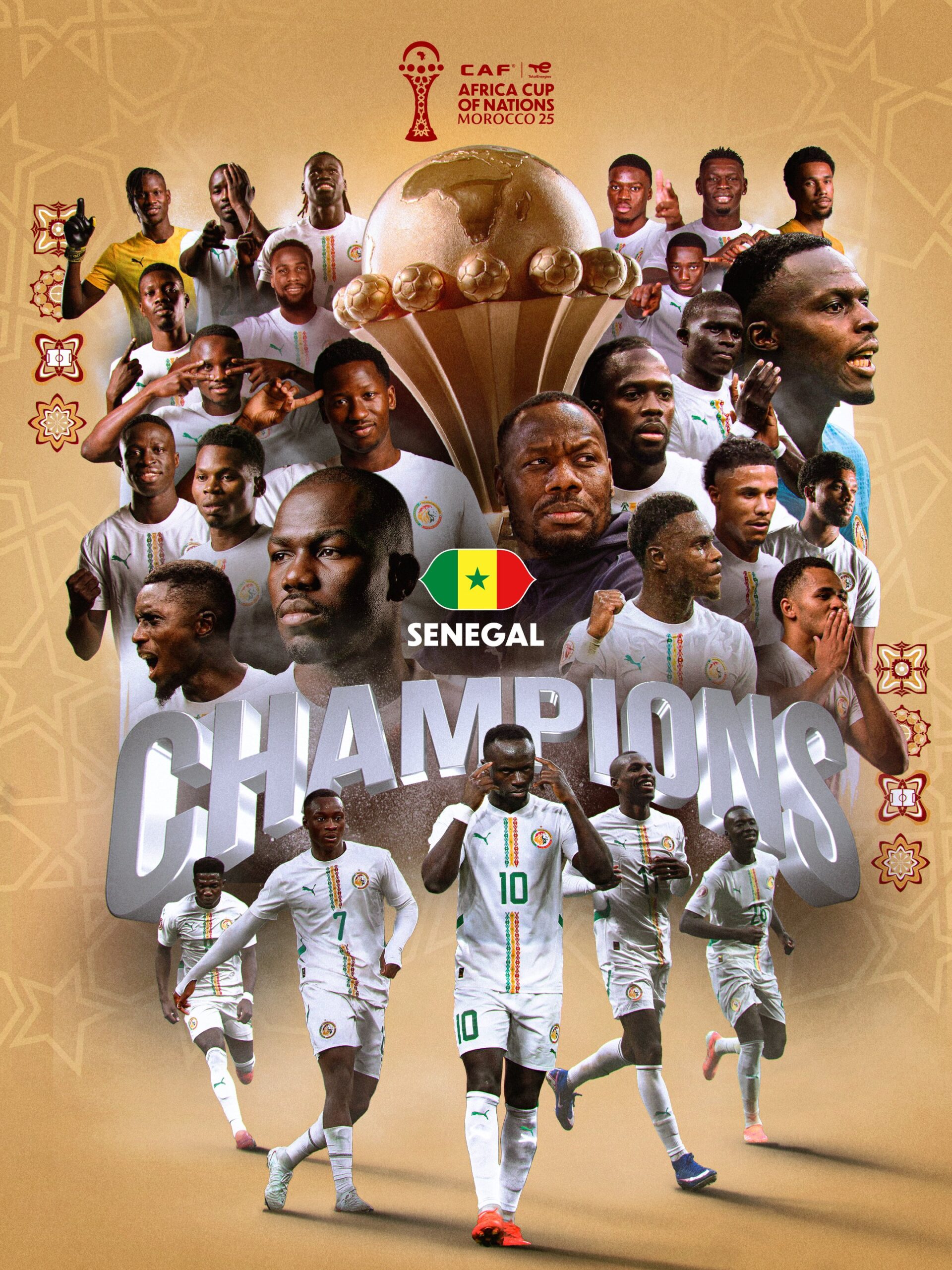
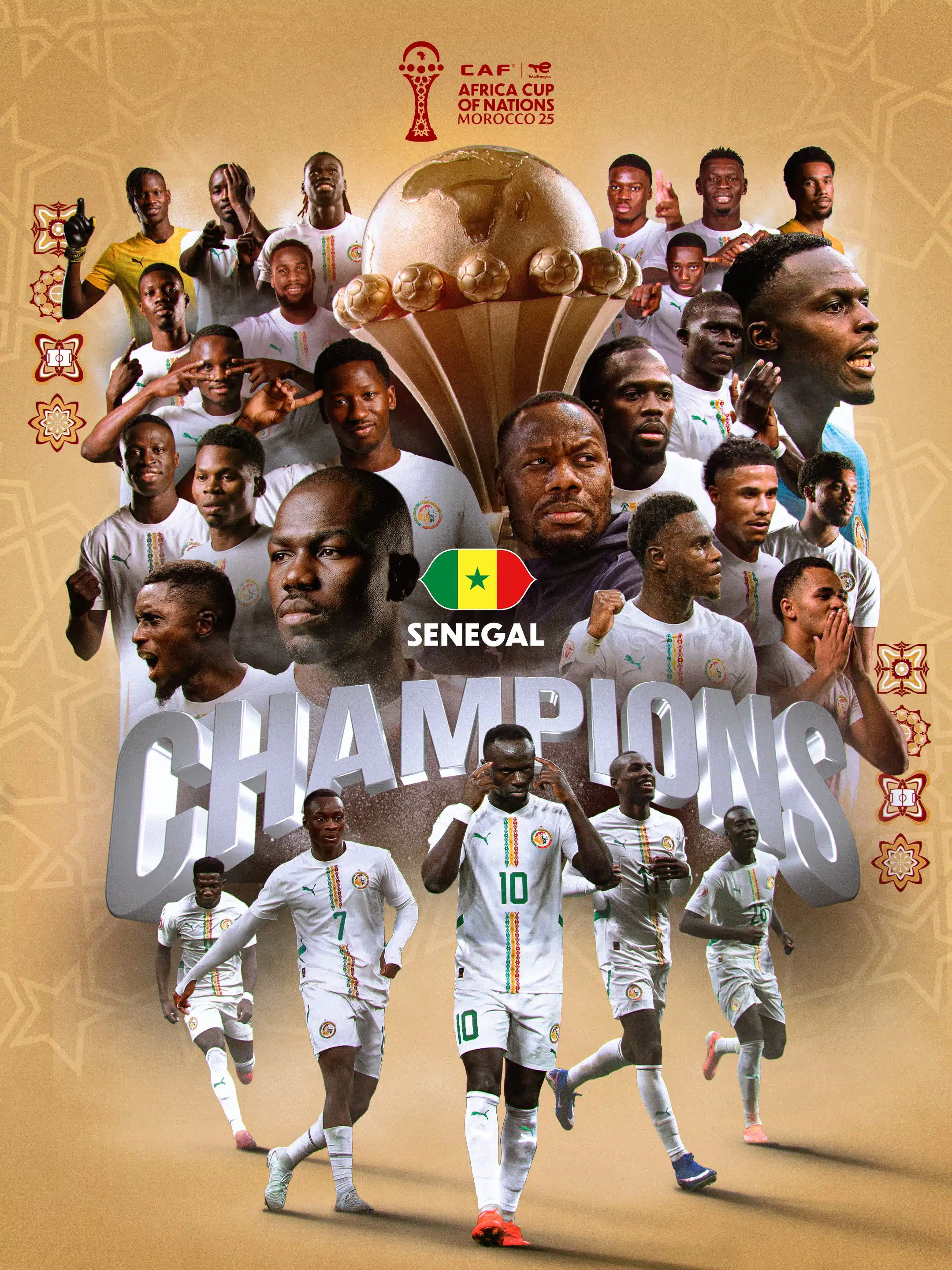
AFCON 2025: Fixtures, Results, Scores and Standings
Jan 18, 2026 -

Leadership and long-term vision key to rescuing Zamalek and inspiring Egyptian football – Hany Abou Rida
Nov 5, 2025 -

South African giants Orlando Pirates set to lose influential forward Monnapule Saleng
Mar 19, 2025 -

Full schedule for 2025 Africa Cup of Nations in Morocco confirmed
Feb 12, 2025
-
LIVE UPDATES: D.R Congo 1-0 Jamaica – 2026 FIFA World Cup Playoffs
Mar 31, 2026 -
Cameroon defeat China 2-0 in FIFA Series clash
Mar 31, 2026 -

Africa’s 2026 World Cup Teams: Fixtures and Results for March friendly games
Apr 1, 2026 -
Zimbabwe defender Teenage Hadebe dropped after code of conduct breach
Mar 30, 2026