Morocco faces scrutiny as 2030 World Cup host cities remain uncertain
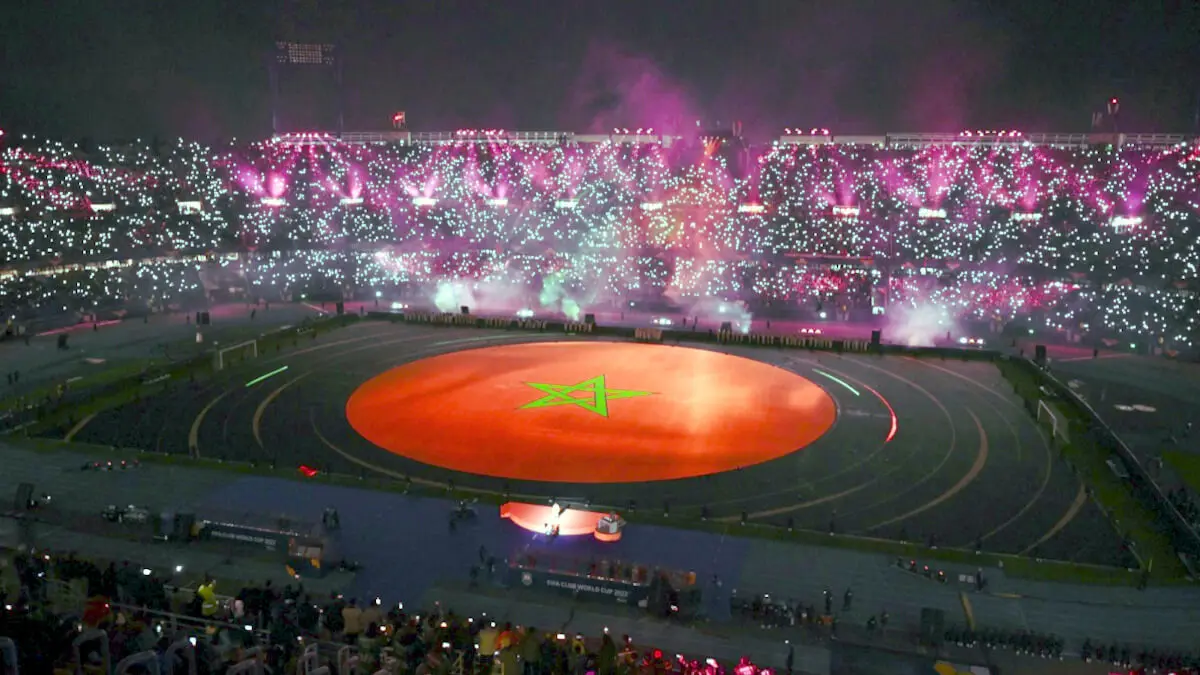
Plans for the 2030 FIFA World Cup continue to face adjustments as discussions intensify over the final list of host cities across Spain, Portugal and Morocco.
According to the Spanish newspaper AS, the process of confirming host venues remains open, with organisers indicating that further changes are still possible before the tournament takes place. The competition will be jointly hosted by Spain, Portugal and Morocco.
Recent developments have already seen changes to the list of candidate cities. The Spanish city of A Coruña has withdrawn from the race to host matches, following the earlier withdrawal of Málaga. Despite these changes, Spain still retains nine of the original eleven cities it submitted to FIFA.
Morocco, on the other hand, is pushing forward with an ambitious proposal to host matches in six different cities, even as debates continue over whether the final number may be reduced. Portugal is maintaining its initial plan of three host venues, while awaiting the governing body’s final decision.
FIFA officials are currently carrying out inspection visits to the proposed venues across the three nations. According to reports, the organisation may ultimately select between 16 and 18 stadiums for the tournament, a number similar to the 16 venues planned for the upcoming 2026 FIFA World Cup in the United States, Mexico and Canada.
The 2030 bid initially included 20 stadiums, though the number has already been reduced to 18. There are also suggestions that the city of Valencia could return to consideration after earlier disputes related to the development of Mestalla Stadium were reportedly resolved.
Morocco’s proposal includes several large infrastructure projects, highlighted by the planned Hassan II Stadium in Casablanca, which is expected to hold around 115,000 spectators and is being presented as a flagship stadium for the tournament.
However, if the number of host cities is reduced, some venues could be removed from the final list. Reports have suggested that Fez might face exclusion, although no official confirmation has been issued.
Portugal’s bid remains more streamlined, relying on three major venues, including Estádio da Luz and José Alvalade Stadium in Lisbon, as well as Estádio do Dragão in Porto.
In Spain, several stadiums remain, strong contenders to host matches, including Santiago Bernabéu Stadium and Metropolitano Stadium in Madrid, along with Camp Nou and RCDE Stadium in Barcelona. Other venues still in the running include San Mamés Stadium in Bilbao, Anoeta Stadium in San Sebastián, La Cartuja Stadium in Seville, Gran Canaria Stadium in Las Palmas and New Romareda Stadium in Zaragoza.
Several of these venues are believed to have already secured their places in the tournament plans, particularly the Santiago Bernabéu, which is widely considered a strong candidate to host the final, alongside Camp Nou, San Mamés, La Cartuja and the New Romareda project.
Nevertheless, some stadiums continue to face challenges. Financing concerns have been raised over renovations at the Gran Canaria Stadium, while Anoeta has reportedly encountered resistance from local residents. Questions have also been raised about the future of the Metropolitano despite being one of Spain’s newest arenas.
The city of Vigo is also attempting to join the list of hosts. Its exclusion has generated debate, especially after A Coruña withdrew from the process, although renovation works at Balaídos Stadium have yet to meet FIFA’s minimum requirements.
With FIFA’s inspection process still ongoing, the final selection of host cities for the 2030 FIFA World Cup remains subject to change as organisers move closer to confirming the tournament’s stadium lineup.
Popular News




-

AFCON 2025: Fixtures, Results, Scores and Standings
Jan 18, 2026 -

Leadership and long-term vision key to rescuing Zamalek and inspiring Egyptian football – Hany Abou Rida
Nov 5, 2025 -

South African giants Orlando Pirates set to lose influential forward Monnapule Saleng
Mar 19, 2025 -

Full schedule for 2025 Africa Cup of Nations in Morocco confirmed
Feb 12, 2025

-

LIVE UPDATES: D.R Congo 1-0 Jamaica – 2026 FIFA World Cup Playoffs
Mar 31, 2026 -

Cameroon defeat China 2-0 in FIFA Series clash
Mar 31, 2026 -

Africa’s 2026 World Cup Teams: Fixtures and Results for March friendly games
Apr 1, 2026 -

Ghana FA part ways with head coach, Otto Addo with less than three months to 2026 World Cup
Mar 31, 2026