Ivory Coast: When can we expect Emersé Faé’s squad list for the 2026 World Cup?
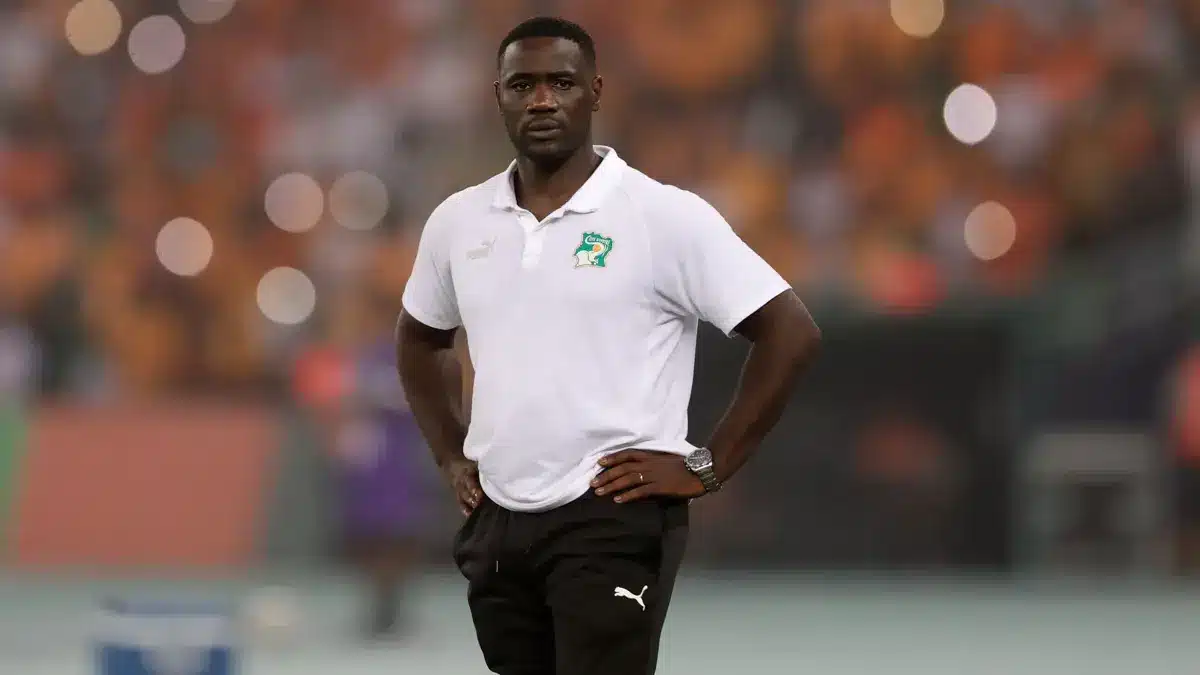
Ivory Coast’s preparations for the 2026 World Cup have entered a decisive phase, with attention turning to when head coach Emerse Faé will name his squad for the tournament.
Following a successful international break that saw the Elephants record two victories, the focus has shifted to the selection process, as FIFA deadlines begin to shape the timeline for all qualified teams.
Under the governing body’s regulations, an initial provisional list must be submitted by 11 May.
This extended squad can include up to 55 players and will serve as the foundation from which the final selection will be made.
The definitive list, consisting of 26 players, must then be announced no later than 30 May, just days before the start of the competition.
These requirements apply to all participating nations and set clear parameters for the decision-making process.
However, there is no obligation for federations to make these lists public immediately.
In Ivory Coast’s case, the announcement is expected to follow the usual format, with Faé likely to present his final choices during a press conference.
On the pitch, the Elephants approach this stage with confidence.
During the recent international window, they secured a 4-0 victory against South Korea, followed by a 1-0 win over Scotland.
These results have reinforced the team’s positive momentum ahead of the tournament.
Despite the outcomes, Faé has placed greater emphasis on the atmosphere within the squad.
” At every gathering, the mindset is perfect. You can see players who are in direct competition on the field and off the field are very close. 21 years ago I arrived in the national team and I had never seen a mindset like this, “ he said in the mixed zone after the match.
The coach has indicated that his approach will remain consistent as preparations continue.
” We will continue to do what we have been doing for over two years, preparing the best group for the team and the country .”
Even with encouraging performances, Faé has made clear that his final squad is far from decided.
” There are players who were absent from the training camp due to injury. There are players I know we’ll be counting on, but to say I already have my squad in mind would be lying to you. Even the day before I announce the list, it won’t be finalized. “
emerse fae sur l’état d’esprit du groupe et la liste à venir 🇨🇮
s/o @MarcoScientist pic.twitter.com/fOCoTZvcoY
— AL FAEDA 🏴⚔️ (@pastrescausant) April 2, 2026
His comments underline the level of competition within the group, where places remain open and subject to change.
Injuries and returning players continue to influence the selection process, adding further complexity to his decisions.
The coach is also monitoring emerging talent, particularly from the under-23 setup.
“ Some of the U23 players had a good training camp. We’ll analyze the two matches against Morocco in the same way. We’ll have to sit down and think about it. ”
This includes players such as Kader Meïté, whose recent eligibility situation meant he featured with the U23 side rather than the senior team.
His case reflects the broader evaluation process currently underway.
In attack, the competition for places has intensified.
The return of Nicolas Pépé, who scored against Scotland, adds to an already competitive group that includes Simon Adingra and Martial Godo, who also found the net against South Korea.
Elye Wahi’s involvement further expands the options available to the coaching staff.
This depth provides flexibility but also presents a challenge.
Selecting a final group from a pool of in-form players means difficult choices are inevitable, particularly in key areas such as the forward line.
As the deadline approaches, anticipation continues to build around Faé’s selections.
While the team’s recent form offers encouragement, the final composition of the squad remains uncertain.
The coming weeks will determine how the Elephants shape their campaign, with decisions that will define their approach to the tournament.
For now, the process remains open, reflecting both the strength of the squad and the complexity of assembling a competitive team for the global stage.

Popular News

-

AFCON 2025: Fixtures, Results, Scores and Standings
Jan 18, 2026 -

Leadership and long-term vision key to rescuing Zamalek and inspiring Egyptian football – Hany Abou Rida
Nov 5, 2025 -

South African giants Orlando Pirates set to lose influential forward Monnapule Saleng
Mar 19, 2025 -

Full schedule for 2025 Africa Cup of Nations in Morocco confirmed
Feb 12, 2025

-

LIVE UPDATES: D.R Congo 1-0 Jamaica – 2026 FIFA World Cup Playoffs
Mar 31, 2026 -
Cameroon defeat China 2-0 in FIFA Series clash
Mar 31, 2026 -

Africa’s 2026 World Cup Teams: Fixtures and Results for March friendly games
Apr 1, 2026 -

Zimbabwe defender Teenage Hadebe dropped after code of conduct breach
Mar 30, 2026