Hussein Labib outlines Zamalek’s football company strategy and explains Al Ahly referee objection
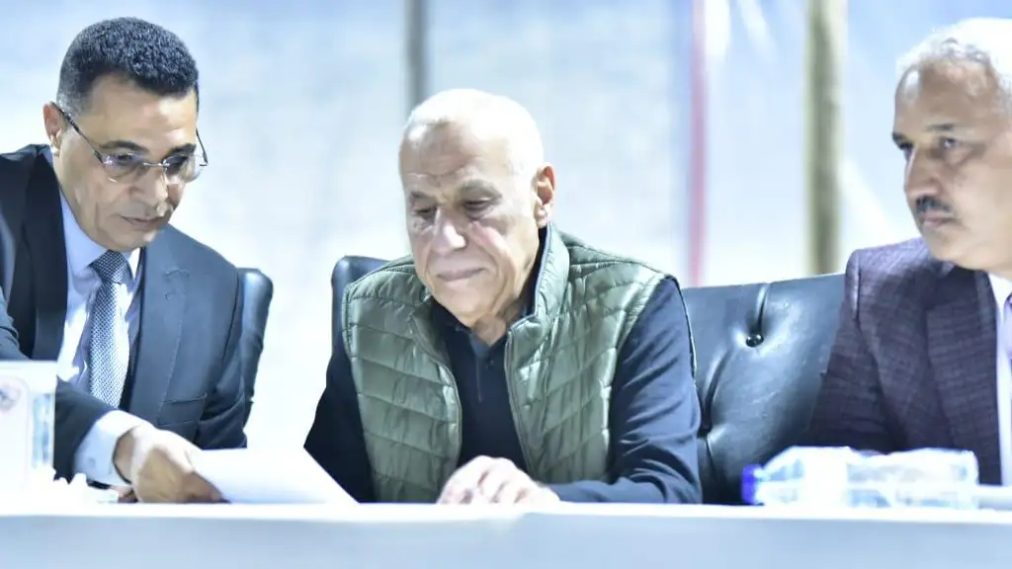
Zamalek president Hussein Labib says the club is not being put up for sale as part of plans to establish a football company, while insisting the club should retain the largest ownership stake in any new structure.
Labib made the comments during a rare interview with broadcaster Ibrahim Abdel-Gawad on ON Sport, ending a lengthy period without a major media appearance and addressing questions from Zamalek supporters about the company and the club’s objection to the referee appointed for the derby against Al Ahly.
Zamalek football company plans
Labib said he initially rejected a proposal to launch the company at the end of last season, when former sporting director John Edward was in post, because he did not believe the timing was right.
“At the end of last season, the idea of a football company was presented to us, when John Edward was the former sporting director, but it was not the right time,” Labib said.
“There was only one offer for the company at that point. I wanted to reach the best possible proposals by evaluating some of the football activities, and there was no reason to rush.”
He also rejected claims that the proposal had come from Edward as part of an attempt to take control of Zamalek. Labib said Edward had performed well, with his work ultimately contributing to the club winning the Egyptian Premier League.
“I am fortunate that my name is linked with winning the Egyptian Premier League last season because it was extraordinary,” Labib said. “Even the most optimistic people were hoping only that the team would qualify for African competitions.”
Labib stressed that Zamalek itself would not be sold. Instead, certain football-related assets could be transferred to the new company, including the first team, youth sector, academies, sponsorship rights and revenue streams.
“No-one can value Zamalek as a club,” he said. “The idea is to transfer some assets connected to the football operation to the football company, which would then market those assets. This is necessary because of the financial deficit, while the ultimate objective is to win trophies.”
He added that no commitments had yet been made to any investor and that no specific ownership percentage had been agreed. Zamalek’s preferred position, he said, was to remain the largest shareholder, with no individual investor holding a bigger stake.
“The more investors there are, the more that serves Zamalek,” Labib said, adding that the company should be established properly whether during his presidency or after he leaves office.
Dispute over derby referee
Labib also explained why Zamalek had objected to the referee for the match against Al Ahly, despite previously backing Egyptian officials before the start of the current league season.
He said the club’s initial statement was intended to support capable Egyptian referees and help their development, reflecting what he described as Zamalek’s national responsibility.
However, he said the club had felt unfairly treated in some matches because similar incidents appeared to produce different decisions.
“We wanted the referee to apply the same standard and not judge with two different measures,” Labib said.
Asked whether Zamalek might request foreign referees in future, Labib replied: “We will deal with each situation as it comes. We do not know whether we will ask for foreign referees in the future, but as long as it is our right, we may use it when necessary.”
-
 Three African Nations Cup 2027 qualifiers to watch on 12 November Nov 12, 2026
-
Morocco weigh experience and rotation as Niger test looms Nov 12, 2026
-
Lamine Camara says Senegal must respect ‘very good’ Sudan in 2027 Afcon qualifier Nov 12, 2026
-
Senegal name Under-17 World Cup squad without Souleymane Commissaire Faye Nov 12, 2026


-
AFCON 2025: Fixtures, Results, Scores and Standings Jan 18, 2026
-
Match hero Taiwo Awoniyi reflects on team effort after Chelsea triumph May 5, 2026
-
Leadership and long-term vision key to rescuing Zamalek and inspiring Egyptian football – Hany Abou Rida Nov 5, 2025
-
South African giants Orlando Pirates set to lose influential forward Monnapule Saleng Mar 19, 2025




-
Manchester United host Aston Villa as both sides seek a Premier League lift Nov 6, 2026
-
Ali Maher names first Egypt squad for 2027 Africa Cup of Nations qualifiers Nov 9, 2026
-
Atletico Madrid host Barcelona in Liga summit clash with history at stake Nov 6, 2026
-
Nottingham Forest v Manchester City: City Ground hosts clash at opposite ends of the table Nov 6, 2026