Former Nigeria forward Brown Ideye breaks silence on 2014 World Cup snub
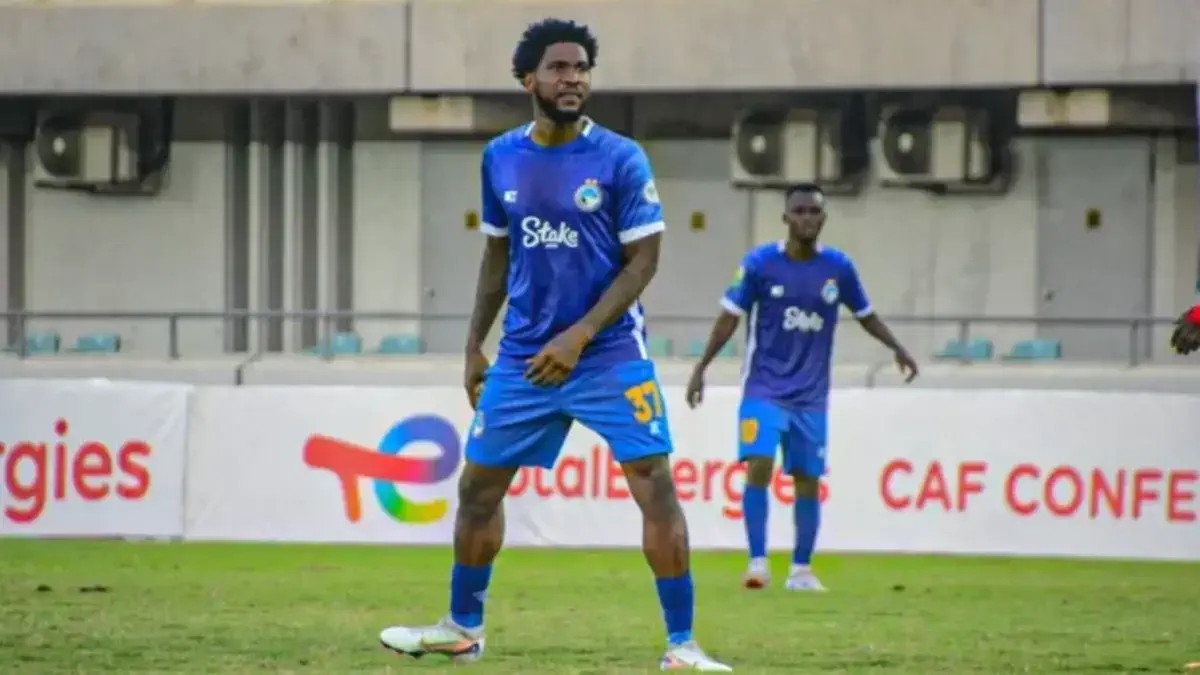
Former Nigeria forward Brown Ideye has lifted the lid on the circumstances that led to his shocking exclusion from Nigeria’s squad for the 2014 FIFA World Cup, revealing that a fallout with his longtime Nigerian agent played a decisive role in the decision.
Ideye, who was in fine form heading into the tournament, has long been one of the most notable absentees from the squad selected by then head coach Stephen Keshi. His omission sparked widespread debate among fans and pundits, especially given his contributions to the national team in the years leading up to the Mundial.
Speaking on The Play Zone, Ideye provided a candid account of the events that unfolded behind the scenes, linking his exclusion directly to tensions that arose during a crucial period in his club career. According to the striker, the situation escalated when he decided to part ways with his Nigerian agent amid transfer negotiations involving English clubs.
“I was dropped from the 2014 World Cup squad because I fired my Nigerian agent who had been with me all along,” Ideye disclosed. “You know, I mentioned the deal with West Ham United and the clubs that were looking for me.”
At the time, Ideye was attracting strong interest from multiple sides in England, including West Bromwich Albion, whom he eventually joined in a then club-record deal. However, the breakdown in his relationship with his agent appears to have had wider implications, allegedly influencing key decisions regarding his international future.
The forward suggested that the dispute created friction that extended beyond contractual matters, ultimately affecting his standing within the national team setup. While he stopped short of naming individuals directly responsible for his omission, his comments hint at deeper issues involving influence and internal dynamics within Nigerian football at the time.
Ideye’s revelation adds a fresh layer of controversy to Nigeria’s 2014 World Cup campaign, where the Super Eagles reached the Round of 16 before being eliminated by France. Many had questioned the squad selection, particularly the absence of experienced forwards like Ideye, who had proven his quality on both the domestic and international stage.
Years on, the striker’s comments reignite conversations about transparency, player management, and external influences in national team selections. His account offers a rare glimpse into the off-field factors that can shape careers at the highest level, reminding fans that decisions at major tournaments are not always based solely on performance.
Despite the setback, Ideye went on to enjoy spells across Europe and beyond, but the 2014 World Cup remains a significant “what could have been” moment in his career—one now clarified by his own revealing testimony.
Popular News



-
AFCON 2025: Fixtures, Results, Scores and Standings
Jan 18, 2026 -

Leadership and long-term vision key to rescuing Zamalek and inspiring Egyptian football – Hany Abou Rida
Nov 5, 2025 -

South African giants Orlando Pirates set to lose influential forward Monnapule Saleng
Mar 19, 2025 -

Full schedule for 2025 Africa Cup of Nations in Morocco confirmed
Feb 12, 2025
-
2025/26 CAF Confederation Cup: Fixtures, Results, Tables and Standings
Mar 21, 2026 -

2025/26 CAF Champions League: Fixtures, Results, Tables and Standings
Mar 21, 2026 -
World Cup 2026: South Africa fixtures and squad timeline revealed
Mar 21, 2026 -

Guinea seeks review of 1976 AFCON title after CAF’s decision to strip Senegal of title
Mar 20, 2026