Deportivo La Coruna demand review after Barcelona equaliser in extended stoppage time
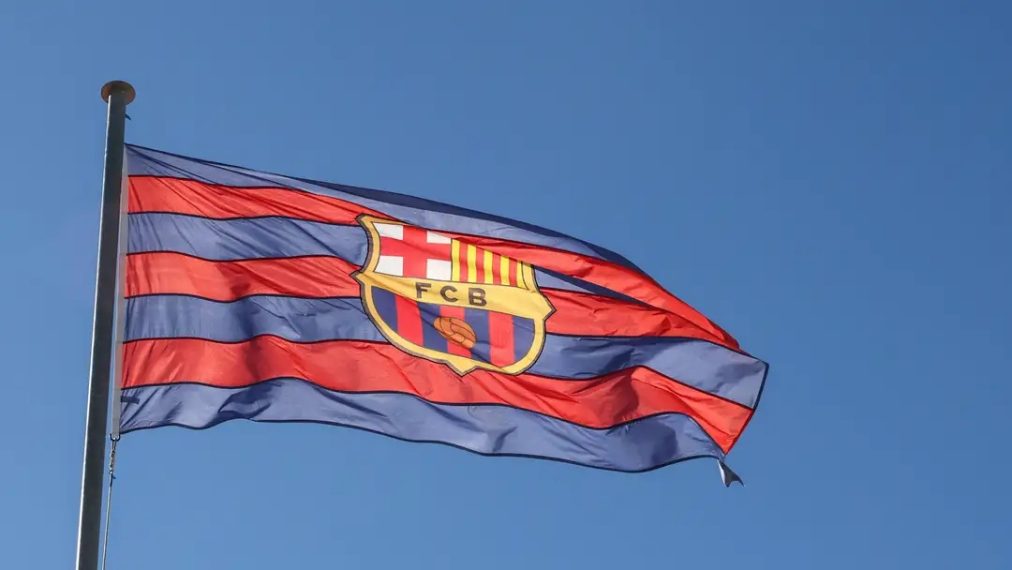
Deportivo La Coruna have formally challenged the handling of their Liga F match against Barcelona, questioning why the game continued until the 107th minute after the referee’s team had initially indicated eight minutes of added time.
The Galician club were leading 1-0 when the eight-minute extension was announced, meaning the second half should have ended in the 100th minute. However, play continued for a further seven minutes, with Barcelona scoring their equaliser in the 102nd minute before the match eventually finished in the 107th.
Deportivo said the management of stoppage time had a direct effect on both the course and outcome of Sunday’s match, which was played in the 11th round of the Spanish women’s league. The club called on the relevant authorities to examine the incident and explain why the extra time was extended.
In a statement, Deportivo said: “Deportivo expresses its deep dissatisfaction and categorical rejection of the refereeing during Sunday’s match against Barcelona, specifically because of the poor management of added time, which had a direct effect on the development of the match and its final result.”
The club added: “When Deportivo were leading by one goal, the refereeing team announced eight minutes of added time in the second half. That period was due to begin in the 92nd minute, meaning the match should have ended in the 100th minute. Instead, and without any understandable or justified explanation, the game continued until the 107th minute, after Barcelona scored the equaliser in the 102nd minute, beyond the announced added time.”
Deportivo also criticised the performance of referee Elisabeth Calvo Valentin and said the additional extension had no objective justification from the club’s perspective. It said the incident raised questions about the integrity of the competition, particularly because it followed two previous rounds in which Deportivo believed their team had been harmed by refereeing decisions.
More than 4,000 spectators watched the match from the stands. Deportivo said they had witnessed the treatment it believed had disadvantaged the team, adding that its supporters and players deserved respect and equal sporting conditions.
The club said women’s football should benefit from the same professional standards and competitive safeguards applied across other competitions. It argued that the development of the league depended on improving refereeing quality, applying consistent standards and strengthening clubs’ confidence in how matches are administered.
Deportivo called for an analysis of the events, the necessary explanations and measures to prevent similar incidents from happening again. It said its commitment to women’s football would not stop it from objecting to decisions it believes harm its players or affect the integrity of the competition.
-
 Algeria injuries fuel doubts ahead of Togo trip Nov 16, 2026
-
Tunisia v Morocco: How to watch the decisive UNAF U17 qualifier Nov 16, 2026
-
Togo president accuses Algeria federation of airport neglect before second match Nov 16, 2026
-
Rulani Mokwena admits pressure despite Pyramids’ perfect start to season Nov 16, 2026


-
AFCON 2025: Fixtures, Results, Scores and Standings Jan 18, 2026
-
Match hero Taiwo Awoniyi reflects on team effort after Chelsea triumph May 5, 2026
-
Leadership and long-term vision key to rescuing Zamalek and inspiring Egyptian football – Hany Abou Rida Nov 5, 2025
-
South African giants Orlando Pirates set to lose influential forward Monnapule Saleng Mar 19, 2025




-
Morocco v Niger: Lions of the Atlas seek another win in CAN 2027 qualifying Nov 11, 2026
-
Nael El Aynaoui withdraws from Morocco squad for Niger clash over fitness issues Nov 11, 2026
-
AFCON 2027 Qualifiers: Benni McCarthy likens Kenya’s clash with South Africa to ‘David versus Goliath’ Nov 13, 2026
-
Futsal at the Dakar 2026 YOG: Senegal showcases a fast-growing sport Nov 9, 2026