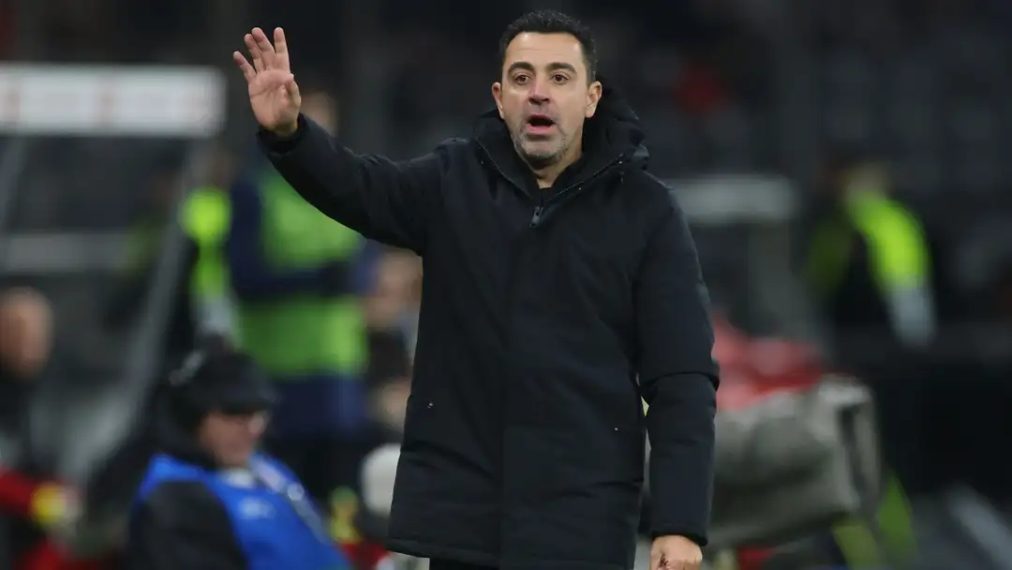
Marcos Alonso says Xavi’s deep understanding of Barcelona gave him a valuable advantage as manager, but believes his lack of coaching experience made the job significantly more difficult.
The former Barcelona defender, now with Celta Vigo, spent two seasons working under Xavi after joining the Catalan club from Chelsea in summer 2022. He signed a three-year contract at the manager’s request to strengthen the left-back position, but left after two seasons to join Celta Vigo.
Speaking on Mario Suarez’s YouTube programme El camino de Mario, Alonso identified Xavi’s knowledge of Barcelona and its identity as one of his greatest strengths.
Xavi spent most of his playing career at the club and became one of its most recognisable figures. Alonso believes that background helped him explain the club’s culture to new players who had never previously represented Barcelona.
“I think his knowledge of the club, and the fact that he spent so many years playing there, allowed him to transmit the spirit of Barcelona to new players who did not know the club before,” Alonso said.
The 35-year-old was then asked about the biggest weakness in Xavi’s time as a manager. He pointed to one factor: experience.
“Lack of experience,” Alonso replied.
“He had spent very little time coaching. He had coached in Qatar, and taking responsibility for managing Barcelona at that stage would not have been easy for any manager.”
Despite that challenge, Xavi guided Barcelona back to major silverware during his time in charge. However, his tenure ended amid tension with club president Joan Laporta, and he departed as manager in summer 2024 following internal disagreements.
Hansi Flick replaced Xavi and, in his first season, led Barcelona to La Liga, the Copa del Rey and the Spanish Super Cup, completing a domestic treble.
The German also took Barcelona to the semi-finals of the Champions League, where they were eliminated by Inter Milan after an entertaining tie.
Flick continued to make an impression in his second season, underlining his ability to build a competitive side and restore Barcelona’s attacking reputation. His team combined young talent with more experienced players.
Alonso’s comments offer an insight into the contrast between Xavi’s strengths as a former Barcelona player and the demands of becoming the club’s manager. His familiarity with the institution helped him communicate its values, but his limited coaching background meant he inherited one of football’s most demanding jobs with relatively little managerial experience.
-
 Kalidou Koulibaly celebrates Senegal’s AFCON triumph after CAS verdict Nov 25, 2026
-
Elias Mokwana marks Kaizer Chiefs debut with goal against Mamelodi Sundowns Nov 25, 2026
-
Soccer Laduma issue 1502: Rushwin Dortley and Mpho Padime in focus Nov 25, 2026
-
Lerumo Lions aim to stay top in Motsepe Foundation Championship promotion push Nov 25, 2026




-
AFCON 2025: Fixtures, Results, Scores and Standings Jan 18, 2026
-
Match hero Taiwo Awoniyi reflects on team effort after Chelsea triumph May 5, 2026
-
Leadership and long-term vision key to rescuing Zamalek and inspiring Egyptian football – Hany Abou Rida Nov 5, 2025
-
South African giants Orlando Pirates set to lose influential forward Monnapule Saleng Mar 19, 2025




-
U17 World Cup 2026: Full schedule for Morocco and where to watch Nov 19, 2026
-
Nice v Paris Saint-Germain: injury-hit champions face confident hosts in Ligue 1 Nov 19, 2026
-
Nice face formidable PSG as leaders chase eighth straight Ligue 1 win Nov 20, 2026
-
Chelsea v Leeds: Blues backed to edge tight Premier League contest at Stamford Bridge Nov 20, 2026