Algeria surrendered a two-goal lead to lose 4-2 to Chile in their opening match at the 2026 FIFA U-17 World Cup in Qatar on Saturday, 21 November. Hamza Serrar identified three key reasons for the defeat: an excessive retreat after Algeria’s strong start, poor coordination at centre-back and difficulties defending crosses and aerial balls.
The result was a particularly frustrating return to the competition for the young Fennecs, who had been absent from the FIFA U-17 World Cup for 17 years. Ilyes Mekkaoui and Yacine Abed gave Algeria a commanding advantage inside the opening 15 minutes, but Chile scored three times before half-time and added a fourth after the break.
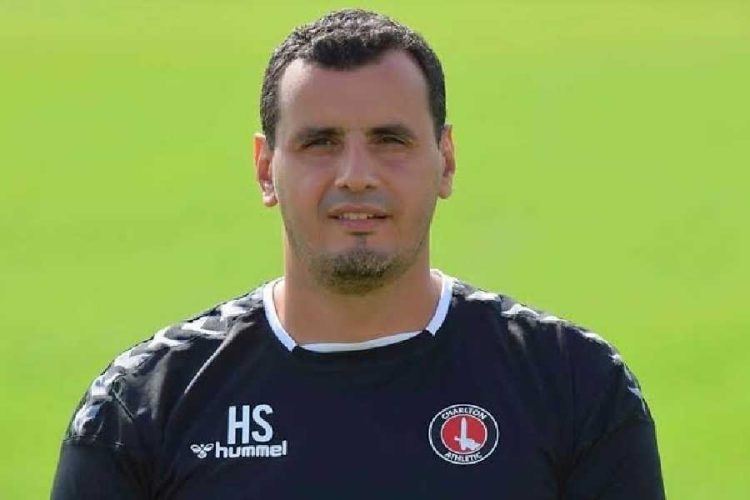
Serrar, an Algerian youth-development coach with experience in England, including within the Charlton Athletic academy structure, said the team had initially controlled the game well. Algeria imposed its rhythm, created danger and converted its early dominance into goals.
The turning point came immediately after the second goal, he argued, when Algeria surrendered the initiative. By dropping too deep rather than continuing to press, the team allowed Chile to advance, create repeated attacking situations and grow in confidence. The resulting loss of control led to three Chilean goals before the interval.
Defensive weaknesses exposed
Serrar also highlighted the lack of understanding between central defenders Ilyes Mekkaoui and Kenzo Brignone. Spaces appeared through the middle as Chile’s forwards changed position and tempo, while inconsistent positioning and covering allowed opponents to break into dangerous areas.
However, he said the centre-backs could not be held solely responsible. Algeria lacked defensive numbers and received insufficient protection from the other lines, leaving the pair exposed in difficult situations.
The team was also vulnerable to attacks down the flanks. Chile repeatedly got beyond Algeria’s wide players and delivered crosses into the penalty area. Serrar’s concerns extended beyond aerial duels to defensive positioning, reading the flight of the ball and communication between players. Set-piece defending further exposed the team’s organisational problems.
Among Algeria’s more positive performers, Abed, Mekkaoui and Walid Nechab stood out. Abed, the Paradou AC forward, showed sharp finishing and a willingness to attack spaces, scoring during the opening quarter of an hour. His influence then faded as Algeria retreated, reducing the quality of service and leaving him isolated.
Mekkaoui, who plays for FC Volendam, made an important attacking contribution by scoring, although his defensive performance was less convincing because of the problems in his partnership with Brignone. Nechab, of Olympique Lyonnais, offered technical quality and helped circulate the ball, but Algeria’s midfield became less effective once the team dropped back and the lines grew apart.
Ayoub Dahmas of USM Alger struggled to protect the flanks, while Ramy Benkhiat of OGC Nice found it difficult to shield the central areas and manage defensive transitions. Anas Belkanichi, a Toulouse FC defender, was also affected by the team’s problems dealing with crosses, aerial balls and defensive positioning.
Serrar stressed that those individual difficulties were linked to the wider collective decline rather than isolated mistakes.
Algeria will face Montenegro on Tuesday before completing their Group J campaign against the Dominican Republic on Friday. Coach Amine Ghimouz must now improve the defensive balance, reconnect the lines and help his attacking players recreate the conditions that brought early success against Chile.
-
Manchester City demand permanent transfer for Juventus target Rayan Ait-Nouri Nov 22, 2026
-
 Algeria’s defensive collapse against Chile analysed after U17 World Cup defeat Nov 22, 2026
-
Kaizer Chiefs extend perfect DStv Diski Challenge run to nine wins Nov 22, 2026
-
Sundowns and Kaizer Chiefs level at half-time in Carling Knockout semi-final Nov 22, 2026


-
AFCON 2025: Fixtures, Results, Scores and Standings Jan 18, 2026
-
Match hero Taiwo Awoniyi reflects on team effort after Chelsea triumph May 5, 2026
-
Leadership and long-term vision key to rescuing Zamalek and inspiring Egyptian football – Hany Abou Rida Nov 5, 2025
-
South African giants Orlando Pirates set to lose influential forward Monnapule Saleng Mar 19, 2025




-
AFCON 2027 qualifiers matchday 3 & 4: All fixtures and results Nov 17, 2026
-
Cote d’Ivoire close in on AFCON 2027 qualification against Gambia Nov 16, 2026
-
AFCON 2027 Qualifiers: South Africa bounce back with win over Kenya Nov 17, 2026
-
Ex-Liberia President George Weah emerges as a potential successor to Patrice Motsepe at CAF Nov 15, 2026