AFCON 2025 final referee dragged into controversy over conduct
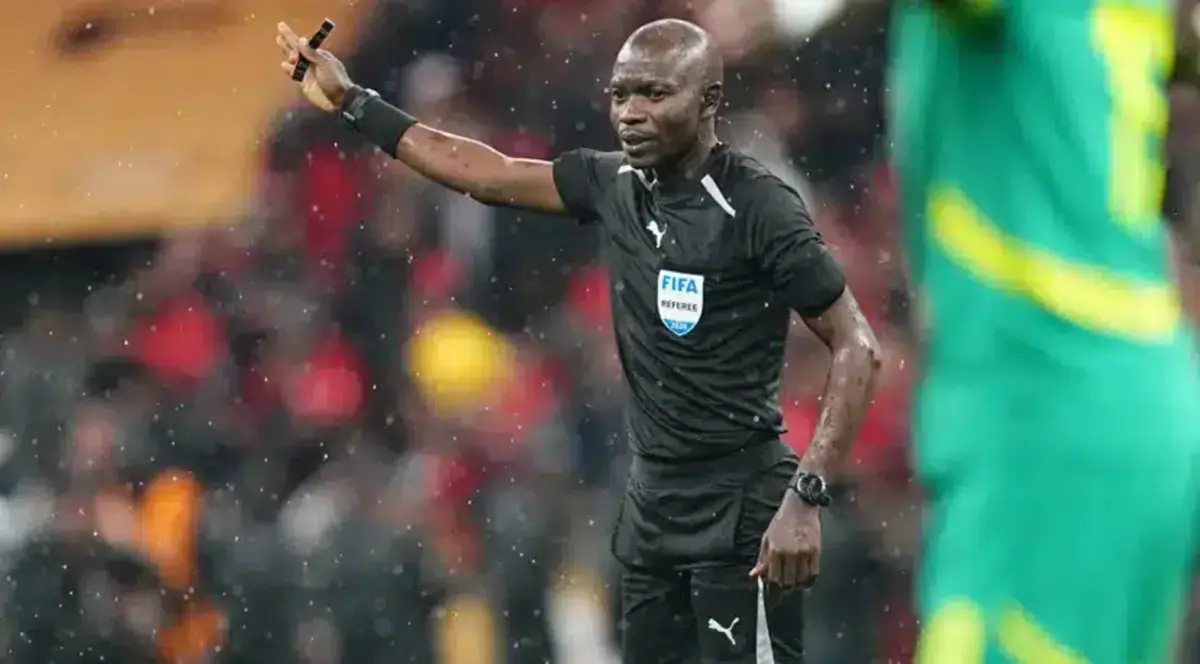
A new layer of controversy has surfaced around the 2025 Africa Cup of Nations (AFCON) final, with fresh claims suggesting the match referee may have acted under external influence during the chaotic closing stages of the game between Morocco and Senegal.
According to reports from the French press, details contained in the appeal file submitted by the Royal Moroccan Football Federation to the Confederation of African Football Appeals Committee have revealed potentially troubling allegations linked to the officiating of the final.
The Walk-Off That Changed Everything
The case, which ultimately led to CAF overturning the result and awarding the title to Morocco, was built on Articles 82 and 84 of the competition’s regulations. These provisions state that any team that refuses to continue a match or leaves the field before full time is considered to have forfeited.
The controversy stems from a dramatic moment late in the match when Senegal players walked off the pitch for approximately 12 minutes in protest against a penalty decision awarded by Congolese referee Jean-Jacques Ndala, with the score still goalless at the time.
Legal Battle Escalates to CAS
While the Appeals Committee ruled in Morocco’s favour, the Senegalese Football Federation has since escalated the matter to the Court of Arbitration for Sport, setting the stage for a final legal showdown.
CAF president Patrice Motsepe has welcomed the move, emphasising respect for whatever decision emerges from the Switzerland-based body.
“Dangerous” Claims Surface in Appeal File
However, the latest revelations have intensified scrutiny of the referee’s role during the interruption. French outlet Le Monde reports that Morocco’s appeal dossier included references to statements described as “embarrassing” and potentially “dangerous,” allegedly attributed to Olivier Safari.
In a memorandum submitted on February 19, Moroccan FA Secretary General Tariq Najm cited claims that Safari acknowledged the existence of internal instructions issued to the referee during the stoppage.
According to the document, these instructions allegedly advised against cautioning Senegalese players despite their walk-off, in order to ensure the match could resume smoothly upon their return.
The report suggests that issuing yellow cards at that moment could have led to the dismissal of at least two Senegal players, a development that might have significantly altered the outcome of the match.
Unanswered Questions Over Referee Independence
These claims, if proven, raise serious questions about whether higher authorities influenced the referee’s decisions during a critical moment of the final. The suggestion of institutional pressure has added a new dimension to an already highly contentious case.
Despite the gravity of the allegations, no official confirmation has been made regarding the existence of such instructions, leaving the matter firmly in the realm of legal argument and investigation.
As the dispute now heads to CAS, the central question remains unresolved: whether the referee acted independently in managing the situation or was guided by external directives aimed at preserving the continuity of the match.
The answer could have far-reaching implications not only for the outcome of the final but also for the credibility of officiating standards in African football.
Popular News




-

AFCON 2025: Fixtures, Results, Scores and Standings
Jan 18, 2026 -

Leadership and long-term vision key to rescuing Zamalek and inspiring Egyptian football – Hany Abou Rida
Nov 5, 2025 -

South African giants Orlando Pirates set to lose influential forward Monnapule Saleng
Mar 19, 2025 -

Full schedule for 2025 Africa Cup of Nations in Morocco confirmed
Feb 12, 2025

-

LIVE UPDATES: D.R Congo 1-0 Jamaica – 2026 FIFA World Cup Playoffs
Mar 31, 2026 -

Cameroon defeat China 2-0 in FIFA Series clash
Mar 31, 2026 -

Africa’s 2026 World Cup Teams: Fixtures and Results for March friendly games
Apr 1, 2026 -

Zimbabwe defender Teenage Hadebe dropped after code of conduct breach
Mar 30, 2026