Hussein Labib: Zamalek’s football company enters first phase after John Edward experiment
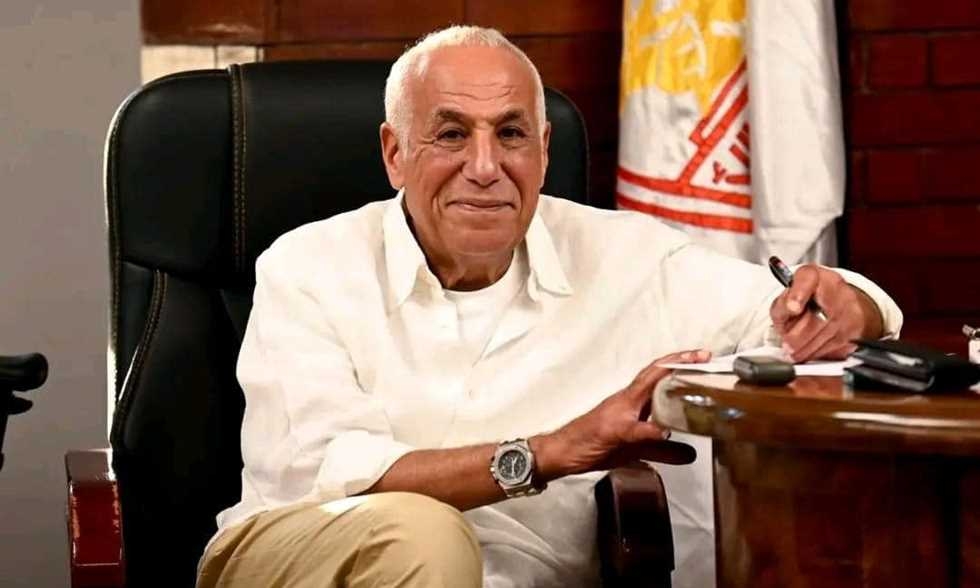
Zamalek president Hussein Labib says the club’s new football company has been established and is now moving through its first phase, while insisting there will be no sale of the club or its football team.
Labib also said a previous experiment involving sporting director John Edward was the first step towards creating the company, and called for Zamalek to match its sporting achievements with progress in administration.
Speaking to On Sport, Labib said Zamalek had all the ingredients required to be champions and credited the club’s supporters with helping the team overcome difficult circumstances.
“First, Zamalek has all the ingredients to be champions. It achieved a remarkable league title considering the circumstances the club went through, but Zamalek are champions, and the club has supporters who can move mountains,” he said.
The club president acknowledged the scale of the problems facing Zamalek, saying the situation appeared very different to someone watching from home compared with someone responsible for solving those issues.
“We have many problems. You see the situation from your home in a completely different way from when you sit in this chair, see all the problems and are responsible for solving them. Despite that, Zamalek managed to win the league,” he added.
Labib said criticism from supporters mattered more to him than comments from the sports media or others, because he and the fans shared responsibility for the club.
“I am not concerned by what the sports press or anyone else says as much as I am by the criticism of Zamalek supporters, from the youngest fan to the oldest. We all support this club, and I am currently responsible for it,” he said.
He reiterated the club’s guiding principle was “Zamalek first”, describing the team as “the biggest sporting fortress in Egypt” and saying its interests had to come before everything else.
Labib highlighted Zamalek’s history, including its victory in the African Super Cup in 1994, its leading role in African handball and its Basketball Africa League title.
“Just as we were among the first to win trophies, let us also be pioneers in administration,” he said.
Football company established
Discussing the new structure, Labib said the club had spent a long time working towards establishing Zamalek Football Company.
“We undertook an experiment at Zamalek with a sporting director led by John Edward, and that was the first step towards the football company,” he said.
The idea received a mixed response, he added, and the club would assess its strengths and weaknesses before making improvements.
“Some people criticised the idea, while others saw it as successful. Let us evaluate the experience, identify its advantages and problems, and when we discover shortcomings, try to fix them and turn them into strengths,” he said.
Labib confirmed the company had now been created and that its work would be carried out in two phases, with the first already under way.
“There will be no sale of Zamalek and no sale of the football team,” he said.
He added that the company had received only one offer and had no reason to rush into accepting it.
Zamalek faces an annual deficit in football operations which varies according to each year’s income from player sales and purchases. Labib said it could exceed 400 or 500 million annually.
The club has seven sources of income, he said, but must also use them to fund its 17 other sports, the social club and employee salaries.
-
 Lamine Camara says Senegal must respect ‘very good’ Sudan in 2027 Afcon qualifier Nov 12, 2026
-
Senegal name Under-17 World Cup squad without Souleymane Commissaire Faye Nov 12, 2026
-
DR Congo host Sierra Leone with 2027 Africa Cup of Nations qualification in sight Nov 12, 2026
-
Senegal leave out Souleymane Commissaire Faye as agent questions World Cup decision Nov 12, 2026



-
AFCON 2025: Fixtures, Results, Scores and Standings Jan 18, 2026
-
Match hero Taiwo Awoniyi reflects on team effort after Chelsea triumph May 5, 2026
-
Leadership and long-term vision key to rescuing Zamalek and inspiring Egyptian football – Hany Abou Rida Nov 5, 2025
-
South African giants Orlando Pirates set to lose influential forward Monnapule Saleng Mar 19, 2025




-
Manchester United host Aston Villa as both sides seek a Premier League lift Nov 6, 2026
-
Ali Maher names first Egypt squad for 2027 Africa Cup of Nations qualifiers Nov 9, 2026
-
Atletico Madrid host Barcelona in Liga summit clash with history at stake Nov 6, 2026
-
Nottingham Forest v Manchester City: City Ground hosts clash at opposite ends of the table Nov 6, 2026