SAFA referees chief responds to debate over Luxolo Badi’s alleged Orlando Pirates links
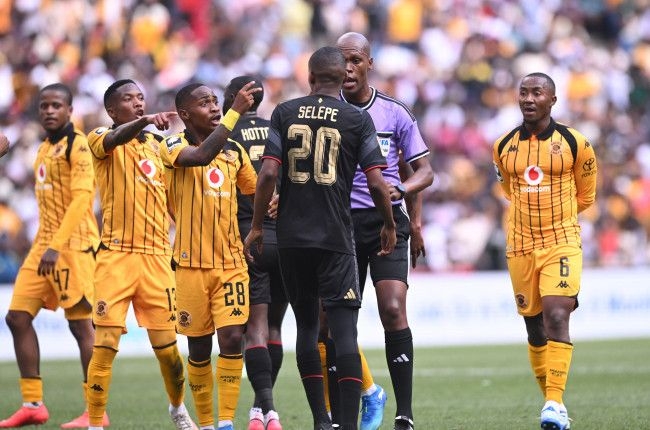
South African referee Luxolo Badi has become the subject of a social media dispute after screenshots of alleged old posts circulated, appearing to suggest he once supported Orlando Pirates.
The debate intensified around recent matches involving the club, including the Soweto Derby against Kaizer Chiefs, as rival supporters questioned whether Badi could be considered impartial when officiating fixtures involving Orlando Pirates.
Soccer Laduma contacted SAFA Head of Referees Abdul Ebrahim to ask about the issue. The questions included whether referees are permitted to have personal club loyalties, what regulations apply to possible conflicts of interest, and whether officials must declare any such affiliations before being appointed to particular matches.
Ebrahim did not directly address the claims concerning Badi. Instead, he highlighted what he believes is a wider lack of public understanding about the laws of the game and the responsibility of broadcasters and media organisations to improve that knowledge.
“There has always been a need to educate the broader public on the laws of the game. Something both SuperSport and SABC could do something about but somehow don’t have the time or money.
“Maybe one day soon a newspaper with start publishing the laws of the game so that everyone can start understanding what football is really all about. I am disappointed,” Ebrahim told the Siya crew.
Having supported a particular club is not unusual among people who work in football. Players, coaches, club officials and members of the media may have developed personal loyalties before entering professional roles.
A player can eventually represent a club they did not support while growing up, while coaches and other football professionals are expected to separate their personal preferences from their responsibilities.
Match officials and journalists are held to the same principle. A journalist may have supported one team as a child, but is expected to report objectively. Referees, likewise, must officiate impartially, regardless of any club allegiance they may have had in the past.
The central issue, therefore, is not simply whether an individual once followed a particular team. The important question is whether that connection affects their professional conduct and whether the integrity of their work remains beyond question.
The continuing discussion surrounding Badi has also left broader questions about the relevant SAFA guidelines unanswered, including how potential conflicts of interest are identified and managed before referees are appointed to matches.
-
 SAFA referees chief responds to debate over Luxolo Badi’s alleged Orlando Pirates links Nov 3, 2026
-
Sundowns and Arrows meet again with Carling Knockout semi-final place at stake Nov 3, 2026
-
Mamour Ndiaye under scrutiny after difficult outing in Saint-Etienne’s defeat to Guingamp Nov 3, 2026
-
Liverpool prepare €50m bid for Lamine Camara as January transfer move takes shape Nov 3, 2026


-
AFCON 2025: Fixtures, Results, Scores and Standings Jan 18, 2026
-
Match hero Taiwo Awoniyi reflects on team effort after Chelsea triumph May 5, 2026
-
Leadership and long-term vision key to rescuing Zamalek and inspiring Egyptian football – Hany Abou Rida Nov 5, 2025
-
South African giants Orlando Pirates set to lose influential forward Monnapule Saleng Mar 19, 2025




-
Barcelona host Aston Villa in Champions League meeting at Spotify Camp Nou Nov 2, 2026
-
AEK Athens v Real Madrid: Champions League date, kick-off time and viewing details Nov 2, 2026
-
Villarreal host unbeaten PSG in first European meeting Nov 2, 2026
-
Le Havre AC host Paris Saint-Germain as Ligue 1 leaders seek another win Oct 28, 2026