CAF is reviewing its decision to stage the Africa Cup of Nations every four years, less than a year after announcing the change from the previous two-year cycle.
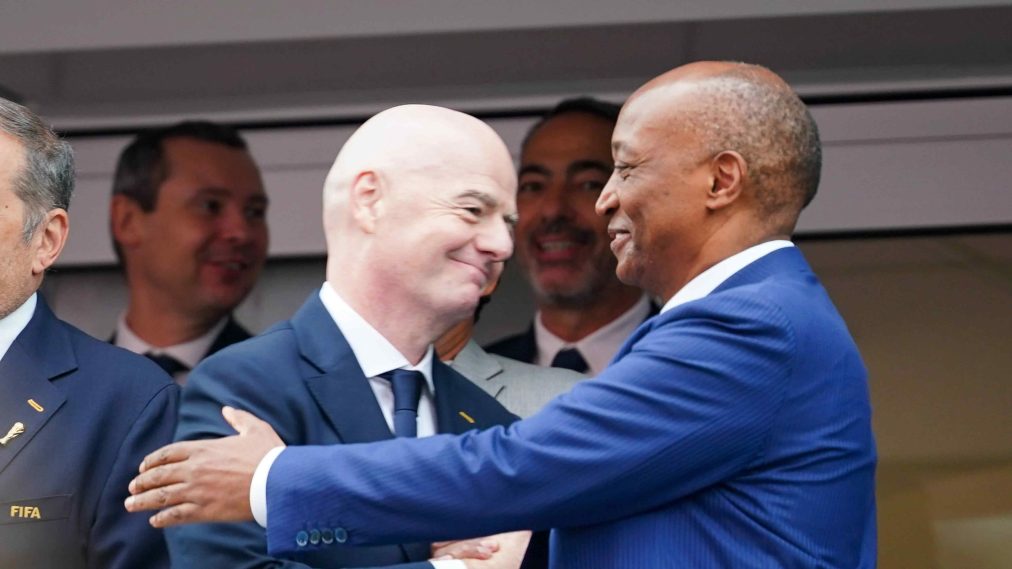
CAF president Patrice Motsepe confirmed on Friday that a return to the former format was under consideration, but said no final decision had been made.
The possible reversal has prompted questions over why a reform previously described as historic is being revisited. French journalist Romain Molina has linked the development to political and financial tensions between FIFA and UEFA, arguing that African football’s interests have not been the main factor behind the decisions.
CAF announced in December 2025 that the Africa Cup of Nations would be held every four years rather than every two. The move attracted criticism within Africa, with concerns that fewer editions of the competition could reduce its revenues and limit opportunities to develop football across the continent.
Was the decision designed to ease pressure from Europe?
Molina believes the change was not solely intended to reorganise the international football calendar. In a video published on his YouTube channel, he said FIFA had been seeking to ease the frustration of major European clubs, which regularly lose their African players when the tournament is held every two years.
Under that interpretation, moving the competition to a four-year cycle would reduce the frequency with which European clubs are without their players and provide greater stability during the season. It would also align more closely with the interests of UEFA and leading clubs in Europe.
The decision was criticised after its announcement, with some figures in African football objecting to what they considered insufficient consultation with domestic associations. Others warned that reducing the number of tournaments could damage revenues and restrict the continent’s progress.
CAF defended the reform as an important step towards reorganising its national-team competitions. At the same time, it announced plans to launch an African Nations League to compensate for the reduction in the number of Africa Cup of Nations editions.
FIFA and UEFA dispute may alter the balance
Molina believes relations between FIFA and UEFA have changed in recent months, potentially explaining why CAF is now reconsidering the reform.
He argues that if FIFA had previously been prepared to accommodate European clubs, growing tension between the two governing bodies could make it less willing to offer concessions to UEFA and its affiliated clubs.
That could leave FIFA less likely to oppose a return to the traditional two-year schedule. Such a move would be less favourable to European clubs, which stood to benefit from the tournament being played every four years.
Molina said African football had once again become part of wider political calculations and institutional power struggles, rather than having its own interests determine the future of its competitions.
He also pointed to the financial stakes, saying some African officials favour retaining a tournament every two years because of the revenue it generates.
“Once again, we can see a common thread in all these decisions: the interests of African football are not present at any stage. It is simply political calculations and huge financial interests,” Molina said.
Motsepe rejected suggestions that CAF acts on instructions from FIFA or UEFA, insisting that protecting African football remains his priority. The competition’s future format remains unresolved, leaving open the debate over CAF’s independence and the reasons behind the proposed change.




-
 AFCON 2025: Fixtures, Results, Scores and Standings Jan 18, 2026
 -
Match hero Taiwo Awoniyi reflects on team effort after Chelsea triumph May 5, 2026
-
Leadership and long-term vision key to rescuing Zamalek and inspiring Egyptian football – Hany Abou Rida Nov 5, 2025
-
South African giants Orlando Pirates set to lose influential forward Monnapule Saleng Mar 19, 2025




-
Croatia face Spain with Nations League hopes on the line in Split Oct 5, 2026
-
France v Belgium: Probable line-ups for Nations League clash Oct 3, 2026
-
Manchester United host winless Tottenham in Premier League clash Oct 7, 2026
-
Morocco coach Mohamed Ouahbi refuses to single out player after Mali draw Oct 4, 2026