Algeria’s next manager could bring a Spanish tactical shift under Felix Sanchez Bas
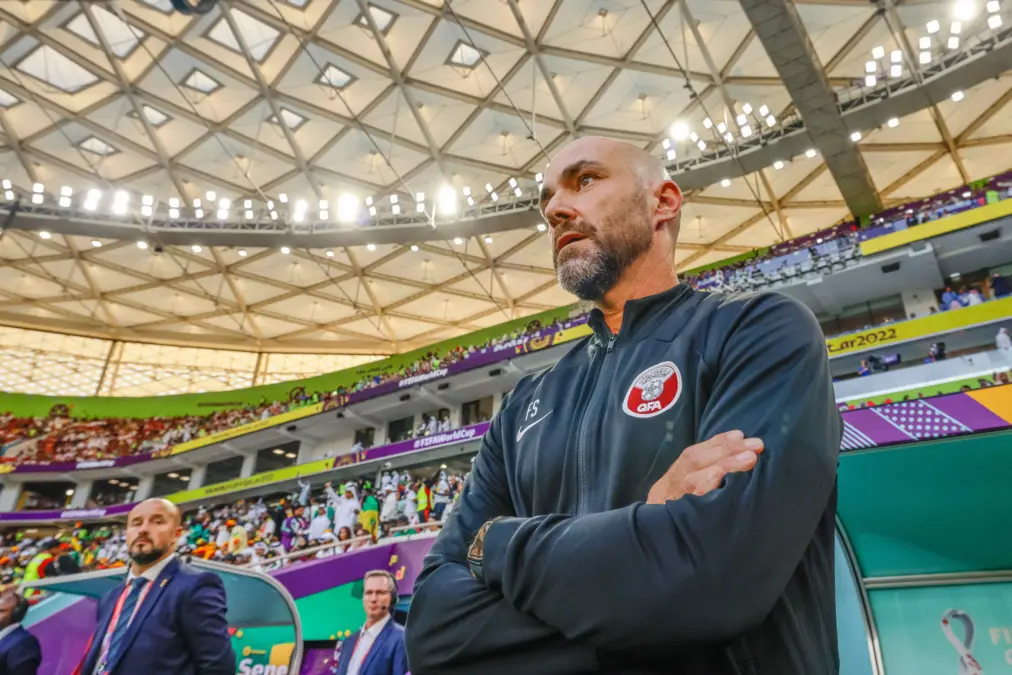
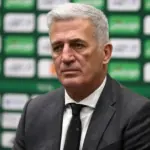
Felix Sanchez Bas has emerged as a leading contender to succeed Vladimir Petkovic as Algeria manager, with the former Qatar boss understood to be one of three finalists being considered by the Algerian Football Federation (FAF).
Several candidates have been linked with the position in recent days, but Sanchez appears to have moved ahead of the field. While he lacks the profile of names such as Xavi or Rafael Benitez, his experience, coaching background and financial accessibility are understood to fit the requirements set by the FAF more closely.
The federation is reported to have recently made enquiries with Qatari officials about the 50-year-old Spaniard, who has been without a club since leaving Al-Sadd.
Sanchez began his coaching career at FC Barcelona, where he spent about a decade working with young players. He then established himself in Qatar, most notably through his work at the Aspire Academy, gradually progressing from youth teams to the senior national side.
His record includes leading Qatar to victory at the 2014 AFC U-19 Asian Cup and, more significantly, guiding the senior team to the 2019 AFC Asian Cup title. He also coached Qatar at the 2022 World Cup before taking charge of Ecuador. Sanchez later returned to Qatar to manage Al-Sadd.
A change in approach
The appointment would represent more than a change of manager for Algeria and could introduce a different tactical identity for the Fennecs.
Sanchez favours systems built around three defenders, most commonly a 3-5-2 or 3-4-2-1 formation. Petkovic used a back three on occasions, but under Sanchez it could become a far more permanent feature of the team.
His football places emphasis on building carefully from defence, retaining possession and occupying space in a disciplined way. Wing-backs are central to the approach, providing width, contributing in attack and maintaining the physical capacity to repeat their runs throughout matches.
That structure often prioritises collective organisation over individual moments of brilliance. It could therefore alter a side that has, for a long period, relied heavily on the creativity of players such as Riyad Mahrez, who has recently retired from international football.
Sanchez’s reputation as a developer of young players would also appeal to Algeria as it seeks to refresh its squad and develop a new generation of internationals.
Financial considerations are another factor. The FAF does not want to exceed Petkovic’s reported salary of about 160,000 euros a month under his most recent contract and is even seeking to appoint his successor on a lower figure. Xavi is understood to have been considered too expensive, while other possibilities, including Rafael Benitez and Tom Saintfiet, remain under discussion.
One potential difficulty concerns communication. Sanchez speaks Spanish and English, but there is no confirmation that he speaks French. Following the language problems experienced during Petkovic’s tenure, the FAF would prefer its next manager to communicate directly with the squad.
The possible addition of Anthar Yahia to the coaching staff could help ease that transition.
Should the move go ahead, Algeria would be choosing a defined footballing project rather than a high-profile name. Under Sanchez, the Fennecs could adopt a distinctly Spanish style, built on structure, possession and youth development.
-
 Algeria’s next manager could bring a Spanish tactical shift under Felix Sanchez Bas Aug 7, 2026
 -
Senegal midfielder Daouda Traoré joins Le Mans on loan from Southampton Aug 7, 2026
-
Egypt defender Mohamed Abdelmonem rejects lucrative Gulf offer to stay at OGC Nice Aug 7, 2026
-
Petersen backs confident Mayo to overcome difficult Chiefs campaign Aug 7, 2026




-
AFCON 2025: Fixtures, Results, Scores and Standings Jan 18, 2026
-
Leadership and long-term vision key to rescuing Zamalek and inspiring Egyptian football – Hany Abou Rida Nov 5, 2025
-
South African giants Orlando Pirates set to lose influential forward Monnapule Saleng Mar 19, 2025
-
Full schedule for 2025 Africa Cup of Nations in Morocco confirmed Feb 12, 2025