World Cup 2026: Senegal captain Koulibaly has no qualms with coach Thiaw over substitution in Norway defeat
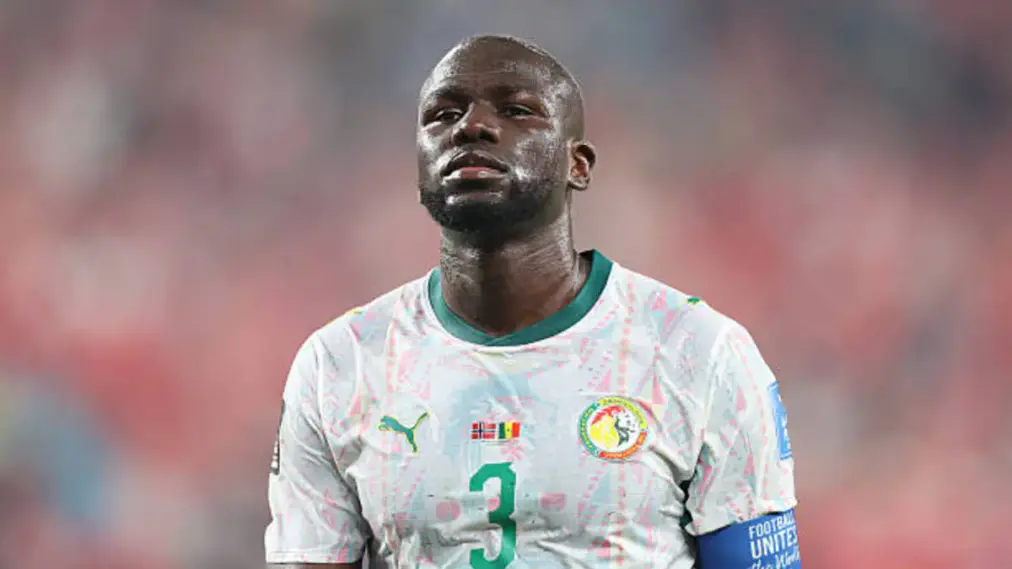
Senegal captain Kalidou Koulibaly has moved to shut down any controversy surrounding his substitution during the Lions of Teranga’s narrow 3–2 defeat to Norway in their second Group stage match at the 2026 FIFA World Cup, insisting that team priorities always come before individual status.
The experienced defender was withdrawn in the 72nd minute, with Pape Matar Sarr introduced as Senegal searched for a response in a tightly contested encounter. The decision raised eyebrows among observers given Koulibaly’s leadership role and importance at the heart of the team, especially in a high-stakes World Cup fixture where every tactical adjustment is heavily scrutinised.
For Koulibaly, the team’s collective interest comes first, and no individual—regardless of experience or captaincy—is guaranteed a place on the pitch. He stressed that tactical decisions belong solely to the technical staff and must be accepted by all players, even when they involve key figures.
“My substitution? As I’ve said in the past, no one has a guaranteed place. Everyone is at the team’s disposal. If the coach decided to take me off, he has the right to do so. And it’s because he saw that I wasn’t helping the team. That’s part and parcel of football. Physically, I’m feeling better and better; it didn’t go the way I wanted it to today, which is a shame.”
The Senegal captain’s comments underline a strong sense of discipline within the camp, especially at a time when results are becoming increasingly important in a tightly contested group. Despite showing moments of quality against Norway, Senegal were unable to secure a positive result, leaving their qualification hopes under pressure heading into the final group fixtures.
Koulibaly also acknowledged that his own performance did not meet the standards he sets for himself, suggesting that the substitution was a reflection of the coach’s assessment of the game rather than any wider issue. His response reflects a player fully aware of the demands of tournament football, where form, fitness, and tactical balance often dictate in-game decisions.
While the result was a setback for Senegal, the captain’s public stance is likely to be seen as an effort to maintain harmony within the squad as they prepare for a decisive final group-stage match. His emphasis on collective responsibility and acceptance of coaching decisions sends a clear message that internal unity remains a priority as the Lions of Teranga look to stay alive in the competition.
-
 Tottenham scouts watch Younes Ebnoutalib score Eintracht Frankfurt winner Oct 20, 2026
 -
Köln consider January move for German-Nigerian attacker Lukas Nmecha Oct 20, 2026
-
Manchester United join Liverpool in race for Borussia Dortmund midfielder Felix Nmecha Oct 20, 2026
-
Mali striker Lassine Sinayoko backs Paris FC to challenge for Ligue top spot Oct 20, 2026


-
AFCON 2025: Fixtures, Results, Scores and Standings Jan 18, 2026
-
Match hero Taiwo Awoniyi reflects on team effort after Chelsea triumph May 5, 2026
-
Leadership and long-term vision key to rescuing Zamalek and inspiring Egyptian football – Hany Abou Rida Nov 5, 2025
-
South African giants Orlando Pirates set to lose influential forward Monnapule Saleng Mar 19, 2025




-
PSG v Barcelona: fiery attacks set up Champions League classic at Parc des Princes Oct 18, 2026
-
Real Betis v Barcelona: kick-off time, TV details and match preview Oct 16, 2026
-
Morocco to face New Zealand as FIFA U-17 Women’s World Cup kicks off in Rabat Oct 16, 2026
-
Klinton Cod leads African journalists, Pundits and Content creators joining José Mourinho on Football.com TV Oct 19, 2026