World Cup 2026 ticket crisis: 180,000 seats dumped as empty stadium fears grow
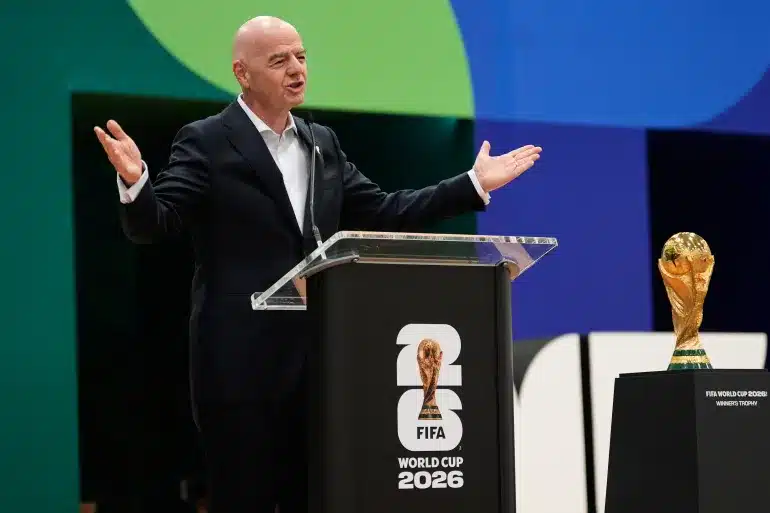
Just days before the curtain rises on the biggest World Cup in football history, FIFA is confronting a growing ticketing headache that threatens to overshadow the start of the 2026 tournament.
An estimated 180,000 match tickets have reportedly surfaced on secondary resale platforms, sparking concerns that several fixtures could be played in front of visibly empty sections despite months of anticipation surrounding the expanded competition in the United States, Canada and Mexico.
The development has triggered alarm within football circles, with fears mounting that the tournament’s television spectacle and stadium atmosphere could be compromised if large numbers of seats remain unoccupied when the action begins.
For FIFA, which has invested heavily in promoting the first 48-team World Cup as a landmark moment for the sport, the prospect of sparse crowds represents a significant public relations challenge.
High prices create unexpected problem
At the centre of the controversy is FIFA’s ticketing model for the tournament. Organisers set prices at levels designed to maximise revenue from the lucrative North American market, banking on strong demand across all stages of the competition.
While matches involving football’s traditional powerhouses generated immediate interest, several group-stage fixtures struggled to attract the same enthusiasm from local supporters. Many fans were discouraged by the high costs, creating an opening for ticket brokers and speculative buyers who anticipated strong resale demand closer to kick-off.
Instead, the opposite appears to have happened.
With the tournament approaching, thousands of tickets have reappeared on resale platforms, often at significantly reduced prices as holders attempt to recover part of their investment. The sudden influx has highlighted concerns that initial demand figures may have been inflated by large-scale speculative purchasing rather than genuine fan interest.
Expansion brings new challenges
For the first time, 48 nations will participate in the World Cup, increasing the number of matches and spreading fixtures across a vast geographical area.
While the expansion promises greater global representation, it has also diluted the exclusivity traditionally associated with World Cup tickets.
The enormous distances between host cities have created additional obstacles for travelling supporters. Following a team through multiple venues across three countries requires substantial financial resources, reducing the flexibility that fans enjoyed during previous tournaments held within a single nation or smaller region.
Economic pressures have further complicated matters. Rising travel costs, accommodation expenses and broader financial uncertainty have forced many supporters to reconsider plans that once seemed achievable.
Broadcasters watching closely
Perhaps the biggest concern for FIFA is the impact on the tournament’s image.
World Cups are built as much on atmosphere as sporting drama. Packed stadiums, vibrant fan displays and constant crowd noise form a crucial part of the product sold to global broadcasters and sponsors.
Empty seats, particularly in premium hospitality sections, could create awkward television images during matches and undermine the perception of overwhelming demand that FIFA seeks to project. Such optics could become especially problematic given the billions invested in media rights and commercial partnerships tied to the tournament.
Reports suggest discussions are taking place over possible measures to boost attendance, including community-based ticket distribution initiatives aimed at ensuring stadiums appear full during matches. However, any large-scale giveaway programme could prove controversial among supporters who paid premium prices through official channels.
A lesson for global football
The situation has reignited debate about the increasing commercialisation of major sporting events.
Critics argue that football’s governing bodies risk alienating traditional supporters when revenue generation takes precedence over accessibility.
The current ticketing concerns have become a focal point for wider discussions about affordability and fan engagement in modern football.
For millions of supporters around the world who will experience the tournament only through television broadcasts, the atmosphere inside stadiums remains a vital part of the World Cup experience.
If the current resale glut translates into visible gaps in the stands, it could serve as a stark reminder of the growing disconnect between ordinary fans and the business realities shaping the modern game.
With kick-off fast approaching, FIFA faces a race against time to ensure the world’s biggest football tournament delivers the spectacle it has promised.
-
 Jorthy Mokio scores twice as Ajax beat Groningen 5-2 Oct 19, 2026
 -
Carlos Baleba makes first Premier League start for Manchester United Oct 19, 2026
-
Yan Diomande leads Real Madrid to LaLiga victory over Sevilla Oct 19, 2026
-
CAF Champions League: North African clubs suffer setbacks as Sudan’s Al Hilal pick crucial away win Oct 19, 2026



-
AFCON 2025: Fixtures, Results, Scores and Standings Jan 18, 2026
-
Match hero Taiwo Awoniyi reflects on team effort after Chelsea triumph May 5, 2026
-
Leadership and long-term vision key to rescuing Zamalek and inspiring Egyptian football – Hany Abou Rida Nov 5, 2025
-
South African giants Orlando Pirates set to lose influential forward Monnapule Saleng Mar 19, 2025




-
Real Betis v Barcelona: kick-off time, TV details and match preview Oct 16, 2026
-
PSG v Barcelona: fiery attacks set up Champions League classic at Parc des Princes Oct 18, 2026
-
Morocco to face New Zealand as FIFA U-17 Women’s World Cup kicks off in Rabat Oct 16, 2026
-
Bryan Mbeumo scores again as Manchester United held by Leeds Oct 18, 2026