African Coaches
Africans Born Abroad
Countries
Foreign Leagues
Latest News
Leagues
Sierra Leone
Transfers & Rumours
WAFU A
Zonal Bodies
Morris questions Chelsea’s decision to appoint Rosenior after swift exit
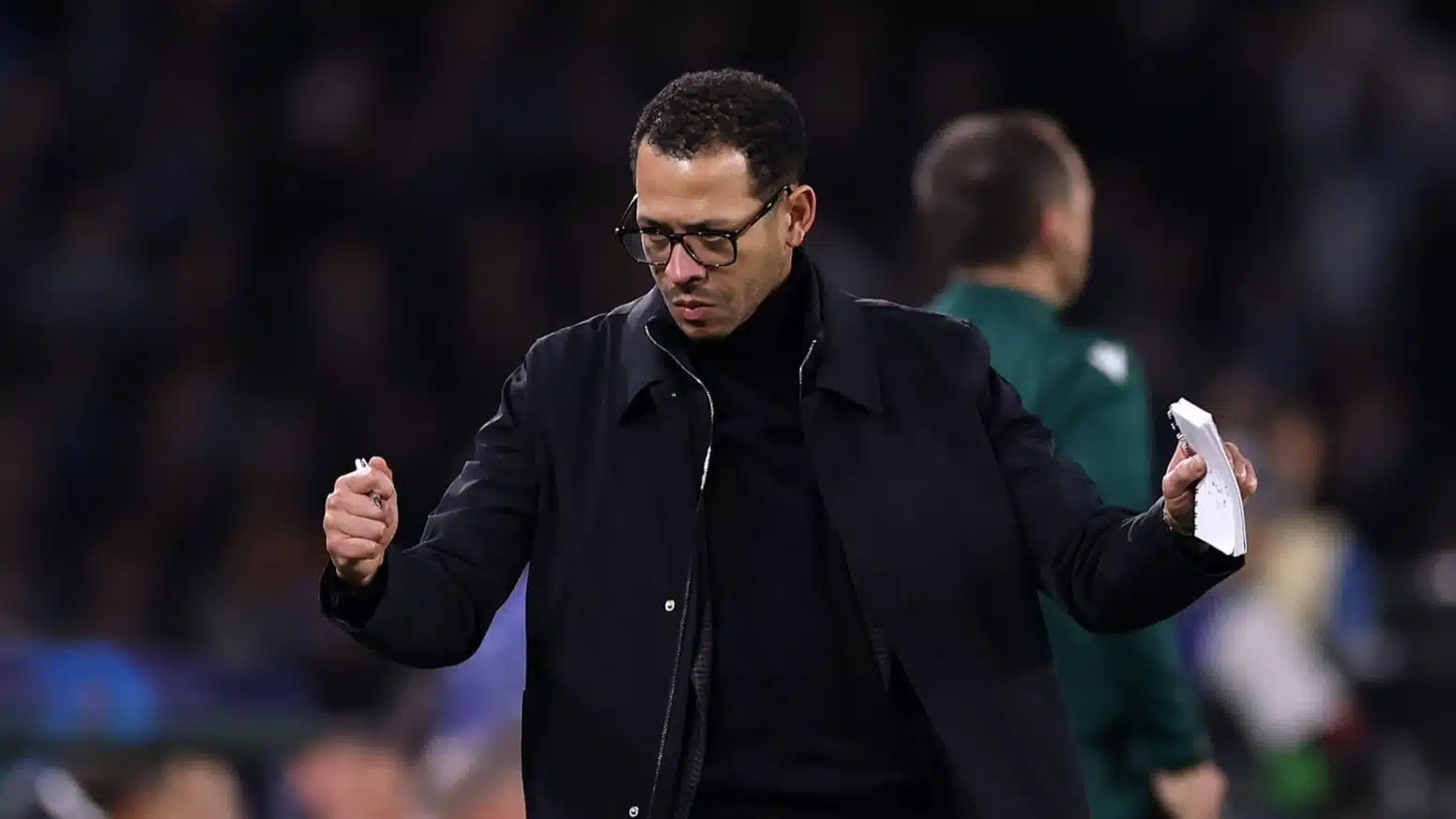
Jody Morris has openly questioned Chelsea’s decision to appoint Liam Rosenior, following the manager’s dismissal just months into a turbulent spell at Stamford Bridge.
Rosenior’s tenure came to an abrupt end on Wednesday, bringing closure to a difficult period in which results failed to meet expectations.
The Blues managed only two league victories across nearly three months, a run that left them trailing rivals and struggling to keep pace in the race for European qualification.
Their inconsistency ultimately proved costly, with the club slipping seven points behind Liverpool, who remain firmly on course for a Champions League place.
Pressure had been building in recent weeks, particularly after a disappointing defeat to Brighton & Hove Albion, which Rosenior himself described as “indefensible” and “unacceptable.” That result intensified speculation over his future, with reports indicating that club executives were already weighing their options prior to his eventual sacking.
Morris, speaking before the decision was confirmed, suggested Rosenior had been operating under unique circumstances but insisted the broader situation raised serious questions about Chelsea’s planning.
“If Rosenior was (Enzo) Maresca or any other manager that hadn’t come in mid-season or doesn’t already have a working relationship with the current hierarchy at the club, then I think you’d have to say, ‘OK, forget them,’” he said.
He further highlighted the club’s precarious league position despite the Premier League offering an additional Champions League qualification spot this season.
“The Premier League has got another Champions League position and you can finish fifth, and it still looks like we’re right up against it to qualify,” Morris noted, underlining the scale of underperformance.
Morris also cast doubt on the logic behind the appointment itself, adding: “If they are going to sack him, what was the point of bringing him in?”
With an FA Cup semi-final against Leeds United on the horizon at the time, the club now finds itself once again searching for stability, as questions persist over direction and long-term planning at one of England’s most scrutinised institutions.
-
 CAF announces dates for Champions League and Confederation Cup group stage draw Oct 26, 2026
 -
RS Berkane set for $700,000 CAF reward after reaching Champions League group stage Oct 26, 2026
-
Ethiopia Bunna 0-1 Mebrat Hayl: visitors claim narrow win in Ethiopia Premier League Round 4 Oct 26, 2026
-
Mbappe double gives Real Madrid victory over Barcelona in thrilling Clasico Oct 26, 2026




-
AFCON 2025: Fixtures, Results, Scores and Standings Jan 18, 2026
-
Match hero Taiwo Awoniyi reflects on team effort after Chelsea triumph May 5, 2026
-
Leadership and long-term vision key to rescuing Zamalek and inspiring Egyptian football – Hany Abou Rida Nov 5, 2025
-
South African giants Orlando Pirates set to lose influential forward Monnapule Saleng Mar 19, 2025




-
Barcelona v Real Madrid: Catalans backed at 1.65 to win October Clasico Oct 23, 2026
-
Barcelona and Real Madrid meet in pivotal 265th Clasico Oct 23, 2026
-
Champions League: PSG beat Barcelona as Liverpool complete comeback against Villarreal Oct 20, 2026
-
Inter Milan v Fiorentina: probable line-ups for San Siro clash Oct 24, 2026