Behind the Chaos: Documents expose deepening AFCON final dispute between Morocco and Senegal
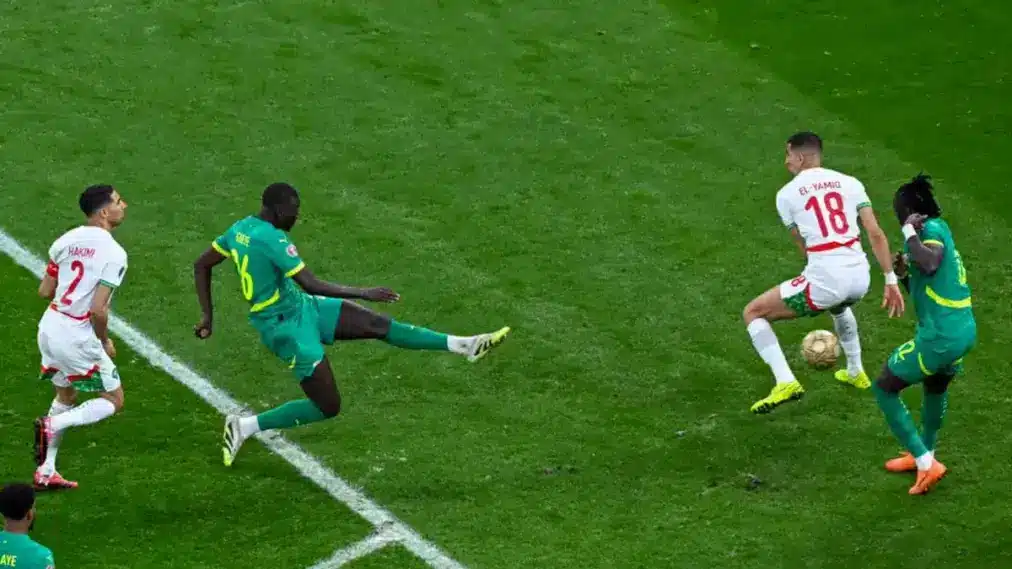
Nearly three months after the Africa Cup of Nations (AFCON) final, African football remains engulfed in controversy, with new revelations shedding light on what unfolded behind the scenes of the disputed clash between Morocco and Senegal.
What should have been a historic conclusion to the tournament has instead spiralled into a legal and administrative battle that continues to cast a shadow over the credibility of Confederation of African Football.
The final, staged at the Prince Moulay Abdellah Stadium, did not truly end with the referee’s whistle. Instead, it marked the beginning of a prolonged dispute, with both nations maintaining conflicting claims to the title.
Senegal insists it secured victory on the pitch, while Morocco argues the trophy should be awarded administratively following what it considers a formal withdrawal by its opponent.
Early Tensions Behind the Scenes
According to reports from AS, tensions began well before kickoff. Senegal’s delegation reportedly grew uneasy upon arrival in Morocco, citing logistical decisions that they believed placed them at a disadvantage.
The team was initially relocated from a luxury hotel in Tangier to alternative accommodation not listed among CAF-approved venues, before eventually being moved again to a hotel on the outskirts of Rabat following protests.
Further friction emerged over training arrangements, with Senegal assigned to the Mohammed VI Sports Complex, a facility previously used by the Moroccan national team. Officials from the Senegalese camp reportedly raised concerns about fairness and the potential exposure of tactical preparations.
Issues surrounding security and ticket allocation added to the growing unease. Senegal voiced dissatisfaction with what it described as poor organisation and an unequal distribution of tickets, publicly warning of deeper problems just hours before the final.
Matchday Chaos and Turning Points
The situation reached a breaking point on match day. Inside the stadium, controversy quickly escalated after a Senegalese goal was ruled out, followed by a penalty awarded to Morocco that sparked fierce protests.
The dispute intensified when Senegal’s players briefly left the pitch in objection, an act they later framed as a response to what they viewed as unjust officiating.
After play resumed, Brahim Díaz missed the penalty attempt, and Senegal went on to score the decisive goal in extra time. However, Morocco subsequently argued that the temporary walk-off constituted an official withdrawal, a position initially upheld by CAF, which awarded a 3-0 victory to Morocco before the ruling was overturned on appeal by the Court of Arbitration for Sport.
CAF Under Mounting Pressure
Further details have intensified scrutiny on CAF. During an executive committee meeting in Dar es Salaam on February 13, referees committee head Olivier Savary reportedly acknowledged that the match referee had received “institutional instructions” not to send off Senegalese players during stoppages in order to ensure the game continued. The revelation has fueled accusations of interference in officiating decisions.
At a press conference in Paris on March 26, lawyers representing the Senegalese Football Federation described the appeal proceedings as “disastrous,” suggesting that the outcome appeared predetermined.
Concerns over governance have been further amplified by claims of a conflict of interest within the appeals process. Senegal questioned the involvement of Moez Nasri, who simultaneously serves as president of the Tunisian Football Federation, arguing that his dual role compromised the integrity of the process. Even CAF president Patrice Motsepe is said to have expressed surprise at the situation.
No Resolution in Sight
More than two months after the final, the continent remains without a universally accepted champion. Senegal continues to stand by its on-field victory, Morocco maintains its legal claim, and CAF finds itself under mounting criticism from both sides, accused of mismanagement and a lack of transparency in handling one of the most contentious episodes in African football history.
-
 Dayot Upamecano finishes 26th in Ballon d’Or 2026 rankings Oct 26, 2026
 -
Morocco U-15 thrash Curaçao 7-0 to make it four consecutive World Cup Festival wins Oct 26, 2026
-
Algeria reach U15 World Cup League A as Cote d’Ivoire drop into League B Oct 26, 2026
-
Sadio Mane returns to Ballon d’Or shortlist after three-year absence Oct 26, 2026


-
AFCON 2025: Fixtures, Results, Scores and Standings Jan 18, 2026
-
Match hero Taiwo Awoniyi reflects on team effort after Chelsea triumph May 5, 2026
-
Leadership and long-term vision key to rescuing Zamalek and inspiring Egyptian football – Hany Abou Rida Nov 5, 2025
-
South African giants Orlando Pirates set to lose influential forward Monnapule Saleng Mar 19, 2025




-
Barcelona v Real Madrid: Catalans backed at 1.65 to win October Clasico Oct 23, 2026
-
Barcelona and Real Madrid meet in pivotal 265th Clasico Oct 23, 2026
-
Champions League: PSG beat Barcelona as Liverpool complete comeback against Villarreal Oct 20, 2026
-
Inter Milan v Fiorentina: probable line-ups for San Siro clash Oct 24, 2026