Morocco’s AFCON success positions kingdom for 2030 World Cup, says Arab Union
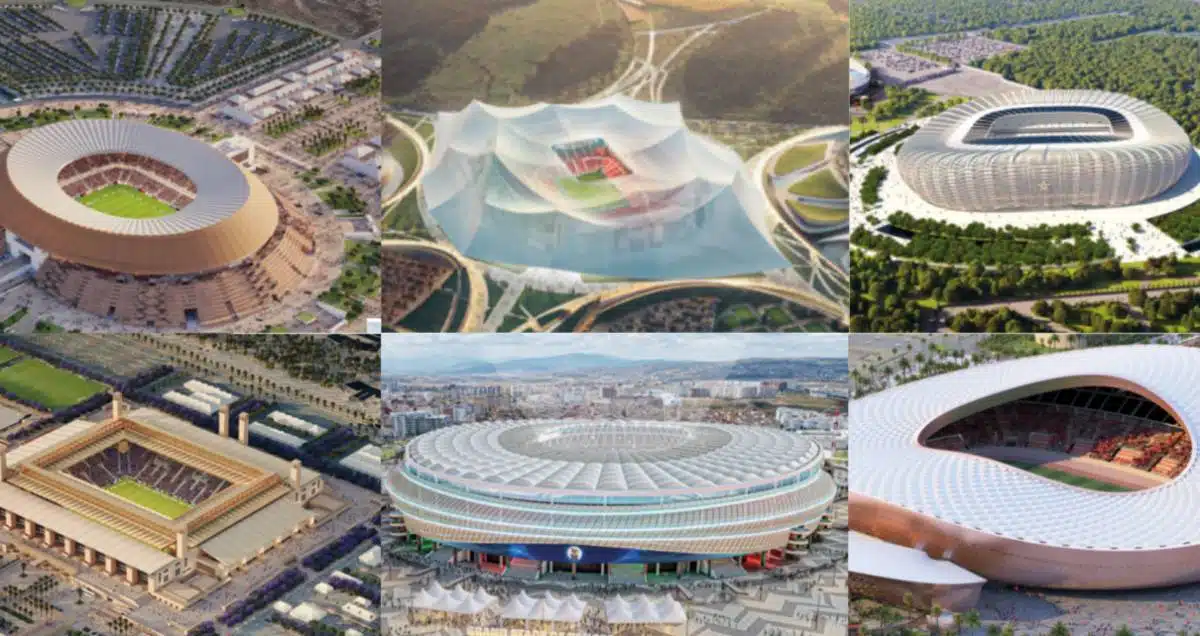
Morocco has received widespread recognition for its organisation of the 2025 Africa Cup of Nations (AFCON), with the Arab Union for Construction and Real Estate Development praising the kingdom’s infrastructure and planning as a model for future international events.
In a statement following the conclusion of AFCON 2025, the union commended Morocco’s leadership, government, and citizens for delivering a “distinguished and brilliant success,” highlighting the nation’s “high level of readiness, good planning and efficient implementation.”
The professional body emphasised that Morocco showcased an integrated system of modern infrastructure, including stadiums built to “the highest international standards,” upgraded transport networks, and advanced logistics services.
The union also highlighted Morocco’s “advanced urban planning approach,” describing the country’s experience as one that could serve as a benchmark for both the Arab and African world in managing major sporting events.
“This success is the fruit of the long-term strategic vision of His Majesty King Mohammed VI, who made investment in sustainable urban development and infrastructure a sovereign choice,” the statement said. “What has been achieved is not merely a circumstantial achievement linked to a specific championship, but rather the result of a comprehensive development path that has strengthened Morocco’s position as a reliable international destination.”
The union further stressed that Morocco’s accumulated expertise positions it as a confident candidate to host the 2030 FIFA World Cup.
The statement described the kingdom’s experience in leveraging major projects as a tool for economic and urban development as “a reference” for other countries seeking to combine sports, urban planning, and investment in sustainable infrastructure.
Concluding on a cooperative note, the Arab Union for Construction and Real Estate Development expressed its readiness to “strengthen cooperation and exchange experiences in a way that serves the goals of sustainable urban development throughout the Arab world.”
-
 Kylian Mbappe responds to criticism over his teamwork Sep 10, 2026
 -
Soufiane Benhaida joins Sidi Kacem from RCA Reserve on a free transfer Sep 10, 2026
-
Morocco defender Mehdi Mchakhchekh joins Zira FC from Raja Casablanca Sep 10, 2026
-
Ethan Mbappe faces potential five-match Champions League ban Sep 10, 2026




-
AFCON 2025: Fixtures, Results, Scores and Standings Jan 18, 2026
-
Leadership and long-term vision key to rescuing Zamalek and inspiring Egyptian football – Hany Abou Rida Nov 5, 2025
-
South African giants Orlando Pirates set to lose influential forward Monnapule Saleng Mar 19, 2025
-
Full schedule for 2025 Africa Cup of Nations in Morocco confirmed Feb 12, 2025




-
Orlando Pirates backed to overcome La Cure Sylvester in CAF Champions League opener Sep 4, 2026
-
Rulani Mokwena: Pyramids FC have reached maturity and must expect to win every title Sep 4, 2026
-
Former Nigeria star Odemwingie taunts Portugal football icon Cristiano Ronaldo Sep 4, 2026
-
CAF announce kick-off times for Champions League preliminary round games Sep 4, 2026