AFCON 2025: Moroccan Youth Network hails Atlas Lions’ final place as product of royal backing
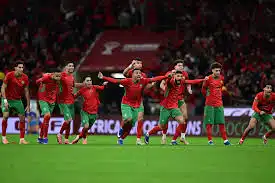
The Moroccan Network of the Civil Alliance for Youth has praised what it described as “the heroic, dazzling and honorable performance of the Moroccan national football team in playing a strong match against the Nigerian team in order to reach the semi-finals of the 2025 Africa Cup of Nations, which is being organized in Morocco, with merit and deservingness, and with great spirit, determination and perseverance that led the ‘Atlas Lions’ to reach the final match.”
In a statement released following Morocco’s qualification for the final of the tournament, the network described the achievement as a landmark moment for the country’s football.
It said the result represented “a historic achievement that reflects the development of national football and its prominent position at the level of global, continental, Arab and African competitions.”
The organisation went further, framing the team’s progress to the final as part of a broader structural transformation rather than a one-off success.
Qualifying for the Africa Cup of Nations final, it said, was “the fruit of a football renaissance that enjoys royal patronage and attention and a high level of professionalism of the Royal Football Federation in achieving titles, resulting from a sports policy and not a coincidence.”
According to the network, Morocco’s run to the final goes beyond the immediate sporting context and carries wider national significance.
It stressed that “reaching the final of the Africa Cup of Nations is a pivotal moment in the history of Moroccan sports, and strengthens the hopes of Moroccan fans to achieve this African title, thus opening the door to continental glory for Morocco and consolidating its sporting status regionally and internationally.”
The statement also included formal congratulations to key figures involved in the campaign.
The civil organisation saluted “the components of the Royal Moroccan Football Federation, the national coach Walid Regragui, and the national team, including players, technical and administrative staff,” recognising their collective contribution to the achievement.
Beyond celebration, the network used the occasion to issue a broader appeal to the public, with a particular focus on younger supporters.
It called on all citizens, especially the youth, to “continue to encourage positive and responsible behavior, and to demonstrate a high level of sportsmanship that reflects the values of respect, solidarity, national belonging, and the ethical, humanitarian, and cultural values that should reflect the sporting spirit, which remains the authentic currency that reflects the positive behavior that all participating national teams and their fans are supposed to embody.”
The organisation also warned against negative narratives surrounding sporting competition.
It emphasised the importance of moving away from “the culture of doubt and belittling the spirit of competition and deserved victory, which requires some teams to work on correcting their subjective and objective mistakes, rather than hanging the blame for their failure on certain parties.”
In the same context, the network addressed the role of the media, urging outlets to adopt a more responsible tone.
According to the statement, it called on “the media that feeds on spreading the culture of sports discord to review this approach, because it does not serve the culture of sportsmanship built on the recognition of victory and defeat and the noble and humane feelings that remain immortal moments in the memory of generations and in the memory of nations.”
The Moroccan Network of the Civil Alliance for Youth concluded by reiterating that the national team’s achievement should be a unifying moment, rooted in respect, fair competition and pride in a collective sporting journey that continues to shape Morocco’s footballing identity.
-
 Ayanda Patosi’s Hope FC future uncertain after promotion campaign Aug 26, 2026
 -
Kaze sent off after fourth-official dispute in Sekhukhune United defeat Aug 26, 2026
-
Cobus Reinach says Springboks must learn from All Blacks defeat before Cape Town rematch Aug 26, 2026
-
Ouaddou backs Mokobodi to become key Pirates player Aug 26, 2026


-
AFCON 2025: Fixtures, Results, Scores and Standings Jan 18, 2026
-
Leadership and long-term vision key to rescuing Zamalek and inspiring Egyptian football – Hany Abou Rida Nov 5, 2025
-
South African giants Orlando Pirates set to lose influential forward Monnapule Saleng Mar 19, 2025
-
Full schedule for 2025 Africa Cup of Nations in Morocco confirmed Feb 12, 2025




-
Ajax close in on Franco-Guinean youngster Abdoulaye Camara Aug 19, 2026
-
DR Congo star Fiston Mayele joins Al Ahli Tripoli on two-year deal Aug 20, 2026
-
Sporting monitor Moussa Diaby as Al-Ittihad winger attracts interest Aug 19, 2026
-
2026 Joan Gamper Trophy: FC Barcelona vs Al Ahly – When and how to watch Aug 19, 2026