Who will host the 2025 Africa Cup of Nations?
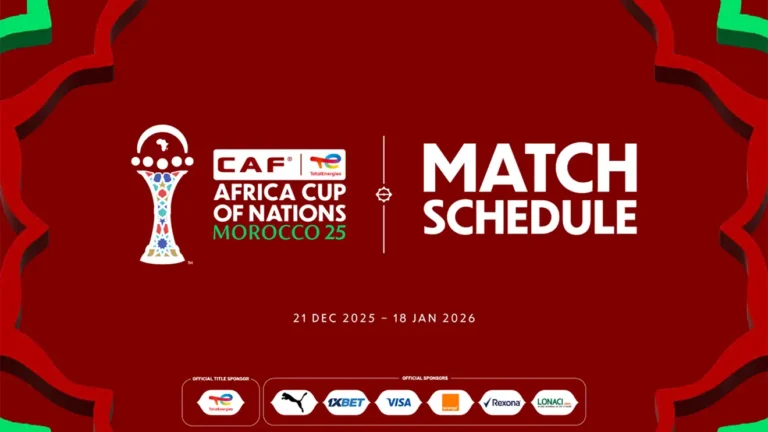
The 2025 Africa Cup of Nations (AFCON), scheduled from 21 December 2025 to 18 January 2026, marks one of the most anticipated tournaments in the modern era of African football.
Morocco, one of the continent’s most established footballing nations, will host the competition for the first time in over three decades, offering a blend of world-class infrastructure, passionate fan culture, and rising football ambition.
As African football continues to evolve in global relevance, AFCON 2025 promises to bring new stories, new stars, and fresh milestones that will shape the future of the game.
Morocco as Host Nation – A Return to the Continental Stage
A Long-Awaited Opportunity
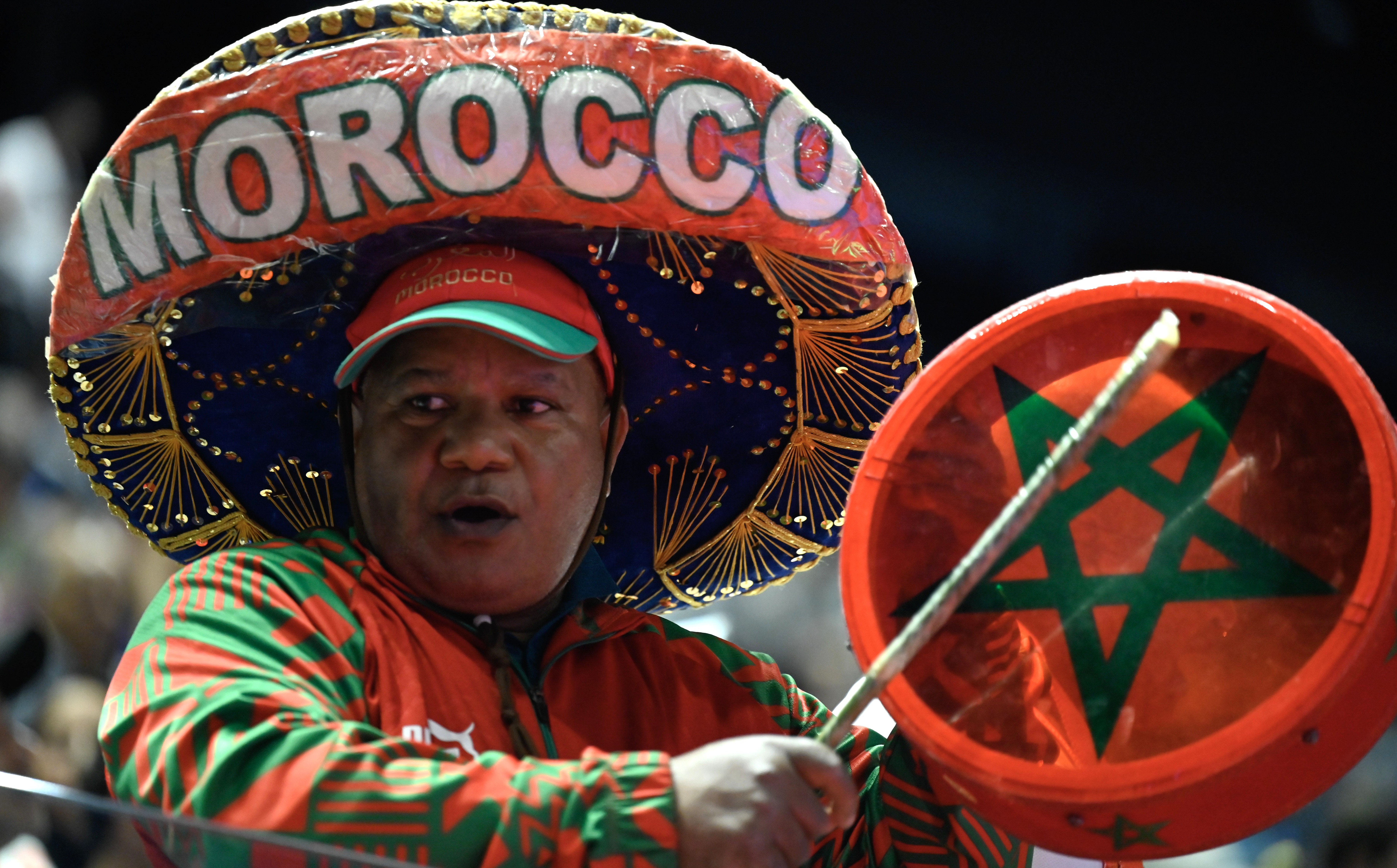
Morocco last hosted the Africa Cup of Nations in 1988. By hosting AFCON 2025, the country not only returns to the heart of African football but also showcases its rapid development in sports infrastructure. This tournament also comes at a time when Morocco’s national team enjoys strong international recognition following an impressive World Cup semi-final run and sustained continental success at youth and club level.
World-Class Facilities and Modernisation
Morocco’s investment in football over the last decade has been significant.
The nation boasts some of Africa’s most advanced stadiums and football academies, positioning it as a regional football hub.
For AFCON 2025, Morocco has earmarked venues in:
-
Casablanca
-
Rabat
-
Marrakech
-
Tangier
-
Agadir
-
Fez
These cities carry both historic significance and modern appeal, offering the tournament a diverse cultural and geographic backdrop.
Training centres have also undergone upgrades to ensure teams enjoy top-quality preparation environments.
A Tournament Built for Global Standards
The Royal Moroccan Football Federation (FRMF) has emphasised organisation, security, hospitality standards, and technological integration.
This includes modern ticketing systems, VAR-equipped venues, broadcast-quality stadium technology, and digital fan engagement tools that align with global football trends.
The hosting experience aims to set a benchmark for future AFCON editions, emphasising sustainability, accessibility, and economic impact through tourism and international visibility.
The Competition Format and Tournament Structure
Teams and Qualification
AFCON 2025 will feature 24 teams, continuing the expanded format introduced in 2019.
The qualification path remains as competitive as ever, as nations across the continent fight for a place at one of Africa’s most prestigious football events.
Traditional giants such as Egypt, Senegal, Algeria, Nigeria, and Cameroon will compete alongside rising forces like Mali, South Africa, Gambia, and Cape Verde.
This balanced field ensures a tournament full of unpredictability and tactical diversity.
Group Stage Dynamics
The 24 qualified teams will be grouped into six groups of four. The top two teams from each group, along with the four best third-placed teams, will advance to the knockout stage. This structure gives emerging nations a fighting chance while preserving the high-pressure environment essential for top-level competition.
Knockout Rounds
Following the group phase, the tournament will adopt a straight knockout format:
-
Round of 16
-
Quarter-finals
-
Semi-finals
-
Third-place match
-
Final
The final scheduled for 18 January 2026 will take place at one of Morocco’s premier stadiums—likely Casablanca’s Mohammed V Stadium or the soon-to-be-completed Grand Stadium of Rabat, depending on final assignments.
Morocco’s National Team – Pressure and Expectation
A New Generation Seeking Continental Glory
Morocco enters AFCON 2025 with both expectation and opportunity.
The national team has consistently shown its ability to compete at the highest international level, and with home advantage, the Atlas Lions stand among the tournament favourites.
Players such as Achraf Hakimi, Youssef En-Nesyri, and Azzedine Ounahi form a core capable of leading Morocco to a historic triumph.
The team blends European-based stars with locally developed talents from Morocco’s successful domestic league system.
Technical Identity
Morocco’s style of play has evolved into a modern, tactically disciplined approach:
-
Compact defensive structures
-
Fast transitions
-
Emphasis on creativity in midfield
-
Strong wing play
Their World Cup run showcased the effectiveness of this tactical identity, and AFCON 2025 represents an opportunity to build on this foundation with continental silverware.
Rival Nations – Contenders for the Crown
Senegal
The Lions of Teranga remain one of the strongest teams in Africa.
With a squad stacked with European-based stars and a balanced tactical identity, Senegal will push to reclaim continental glory.
Their physicality, pressing intensity, and attacking depth make them formidable contenders.
Nigeria
Nigeria’s Super Eagles carry both talent and expectation.
With one of the deepest attacking pools on the continent, Nigeria offers pace, power, and creativity.
Their challenge lies in consistency, but when they perform at their peak, they are among Africa’s best.
Egypt
Egypt’s AFCON pedigree is unmatched, and the nation will be determined to add another chapter to its illustrious history.
The team’s defensive experience, leadership, and tournament mentality make them a perennial threat.
Algeria
Algeria aims to bounce back after recent disappointments in AFCON tournaments.
Their technically gifted midfield and attacking fluidity remain strengths, and with motivation high, they will be eager to reassert their continental ambitions.
Cameroon
The Indomitable Lions bring physicality, athleticism, and tournament heritage.
AFCON 2025 offers Cameroon an opportunity to reestablish dominance after mixed performances in recent competitions.
Emerging Nations
Teams like Mali, Cape Verde, Gambia, and Burkina Faso continue to close the gap on Africa’s giants.
Their improved youth development systems, tactical organisation, and growing pool of Europe-based players make them dangerous opponents for any traditional heavyweight.
Tactical Trends Expected at AFCON 2025
Modern Pressing Systems
African football has witnessed significant tactical evolution over the last decade.
High pressing and counter-pressing systems have become more common, particularly among teams with younger, more athletic squads.
AFCON 2025 will likely showcase:
-
Coordinated pressing triggers
-
Wide overloads
-
Structured counter-attacks
-
Intelligent rest defence
Midfield Control and Tempo Management
Teams with strong midfield identities—such as Morocco, Senegal, and Algeria—are expected to rely heavily on ball retention and tempo control. Midfield duels will shape the direction of matches, especially in knockout rounds.
Defensive Solidity
Tournament football rewards teams that concede few goals. Many sides will prioritise compact defensive shapes and transitional discipline. Expect tight, tactical matches, particularly in the later stages.
Stadiums – Morocco’s Football Cathedrals
Casablanca – Mohammed V Stadium
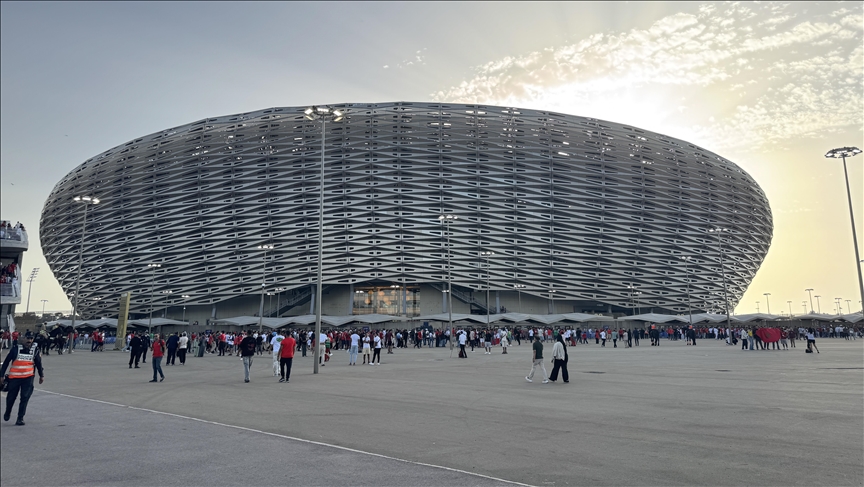
One of Africa’s most iconic football venues, Mohammed V Stadium will likely host several key matches, including potentially the final. Known for its electric atmosphere, Casablanca’s stadium brings history, prestige, and unmatched fan energy.
Rabat – Grand Stadium (New)
Rabat’s new stadium project aims to deliver a state-of-the-art venue with modern architecture, advanced pitch technology, and top broadcast suitability. It represents the future of Moroccan sporting infrastructure.
Marrakech Stadium
Known for its scenic design and modern facilities, Marrakech Stadium is one of the most tourist-friendly venues. Its accessibility and surrounding attractions make it ideal for fan engagement.
Tangier Stadium
Tangier has already hosted major African competitions and offers a high-capacity venue with strong transport links, making it ideal for large-group fixtures.
Agadir Stadium
Agadir Stadium offers a coastal setting and a calm, scenic environment, giving teams a unique location with excellent climate conditions.
Fez Stadium
Fez Stadium complements the tournament with a venue grounded in one of Morocco’s most historic cities.
Fans visiting Fez will experience a blend of football excitement and cultural heritage.
Economic, Social, and Football Impact
Boost to Tourism
AFCON 2025 coincides with Morocco’s peak tourism season.
The influx of hundreds of thousands of fans will stimulate:
-
Hospitality
-
Transportation
-
Food services
-
Local markets
-
Cultural tours
The economic spillover is expected to be one of the largest in AFCON history.
Job Creation and Local Development
Tournament preparations create jobs across construction, logistics, event management, security, and media.
Legacy projects, including upgraded infrastructure and sporting facilities, will continue benefiting communities long after the final whistle.
Global Visibility
Morocco stands to strengthen its position as a global football destination.
This visibility supports long-term ambitions, including joint World Cup hosting projects and partnership expansions with international federations.
The Globalisation of African Football
Talent Pathways
More African players than ever before are competing in Europe’s top leagues. AFCON 2025 will showcase talent that influences global transfer markets. Scouts, agents, and club executives will be heavily present, creating a platform for emerging stars to secure major opportunities.
African Coaches and Tactical Growth
African coaches are increasingly taking charge of national teams, bringing new ideas and modern training philosophies. Their influence will continue shaping tactical trends throughout the tournament.
Digital Growth and Fan Engagement
Streaming, social media, and digital storytelling will play major roles in AFCON 2025. Fans worldwide will engage through dedicated tournament platforms, interactive content, and global broadcast coverage.
Legacy and the Future of AFCON
Strengthening the Tournament Brand
AFCON 2025 is poised to become one of the best-organised editions in history. Morocco’s professionalism, strong infrastructure, and established sporting culture are expected to elevate the tournament’s global brand.
Youth Development
The long-term vision focuses on inspiring future generations. Morocco’s emphasis on football academies, grassroots football, and youth development aligns with CAF’s objective of strengthening the continent’s talent pipeline.
Regional Cooperation
AFCON 2025 will foster stronger relationships among African football associations, encourage shared development initiatives, and bolster CAF’s strategic goals.
Conclusion
The 2025 Africa Cup of Nations hosted by Morocco represents far more than a continental tournament—it is a celebration of African identity, sporting excellence, and future potential.
With world-class stadiums, rising football nations, tactical evolution, and millions of passionate fans, AFCON 2025 is set to become an unforgettable milestone in African football history.
Morocco’s commitment to excellence, combined with the continent’s powerful football culture, ensures a tournament that will inspire, entertain, and leave a lasting legacy for decades to come.
Popular News




-

AFCON 2025: Fixtures, Results, Scores and Standings
Jan 18, 2026 -

Leadership and long-term vision key to rescuing Zamalek and inspiring Egyptian football – Hany Abou Rida
Nov 5, 2025 -

South African giants Orlando Pirates set to lose influential forward Monnapule Saleng
Mar 19, 2025 -

Full schedule for 2025 Africa Cup of Nations in Morocco confirmed
Feb 12, 2025