Algeria
Cabo Verde
Competitions
Countries
Egypt
Features & Interviews
FIFA World Cup
Ghana
Latest News
Morocco
Senegal
South Africa
Tunisia
Which African nations are poised for a deep 2026 FIFA World Cup run?

As the world turns its attention to Friday’s World Cup draw in Washington, the conversation across Africa has shifted from qualification to ambition.
With nine teams already confirmed for the tournament, the continent enters the 2026 edition with a renewed sense of possibility.
The expanded 48-team format and the spread of matches across Canada, Mexico and the United States will offer more room for breakout performances, but the first indication of how far African teams can travel will come when the balls are drawn into the twelve groups.
Morocco, placed in Pot 2, naturally stand out as a nation many believe can once again push deep into the competition. Their historic run to the semi-finals in Qatar lingers in collective memory, not as an anomaly but as a sign of African football’s growing maturity on the world stage.
Being grouped with a Pot 1 giant is inevitable, yet Morocco’s positioning offers them a foundation strong enough to chase momentum from the opening match.
Much will depend on who joins them from Pots 3 and 4, but their recent pedigree ensures that expectations are no longer cautious.
Senegal also carry the aura of a team that has grown comfortable competing at the highest level. Landing in Pot 2 places them in a position where a well-balanced group could pave the way for a confident start.
Their supporters will watch Friday’s draw with anticipation, aware that their opening fixtures could determine whether a deep run is possible in a tournament that stretches from Mexico City’s opening ceremony to the final at MetLife Stadium.
Beyond the top two seeds, nations such as Algeria, Tunisia and Côte d’Ivoire sit in a space where potential meets uncertainty. All three will emerge from Pot 3, and their prospects hinge on how favourable their groupings become.
They know from experience that the margins at the World Cup are often shaped before a ball is kicked. A balanced draw could create a runway for them to find rhythm early and ride it into the knockout rounds, while a more demanding configuration could force them into survival mode from day one.
Even for Pot 4 teams like Ghana, South Africa and Cape Verde, the possibility of making an impact cannot be dismissed.
Their position means a tougher path, but African football has long thrived on rewriting expectations. The draw’s rules, which prevent more than one team from the same confederation sharing a group, offer a small measure of insulation, but the true test will be in how these sides adapt once their opponents are revealed.
For them, a deep run begins with navigating the turbulence of the group phase and finding belief in moments where others expect them to falter.
When the draw begins on Friday at 5 pm, the continent will watch with a mix of calculation and optimism. Each African team arrives with different strengths and different pressures, but the collective feeling is that the 2026 World Cup presents an opportunity for another powerful statement.
Whether it comes from a familiar contender or a rising force, Africa’s hope of a deep and memorable run rests on the paths that take shape in Washington.
Popular News




-
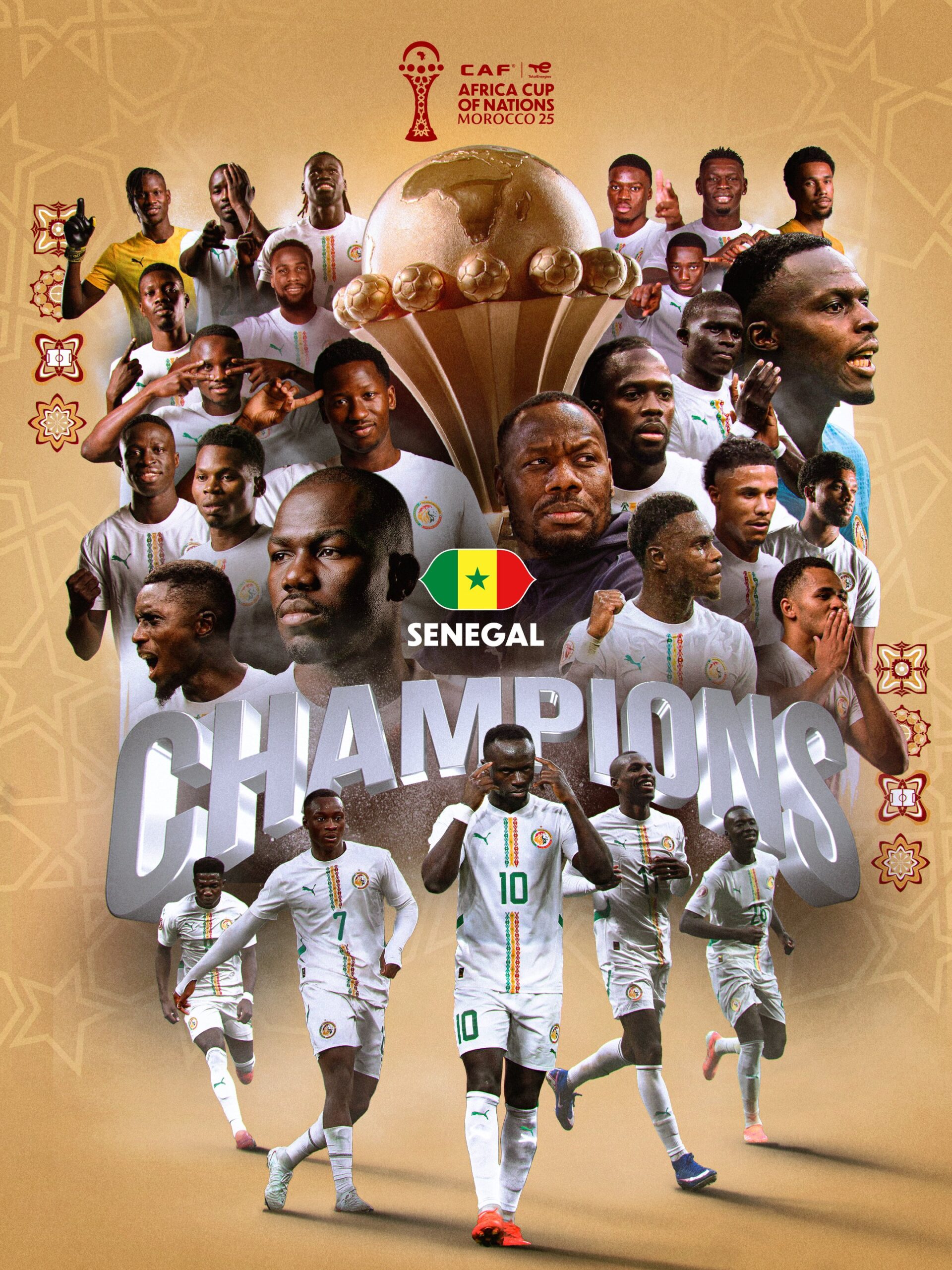
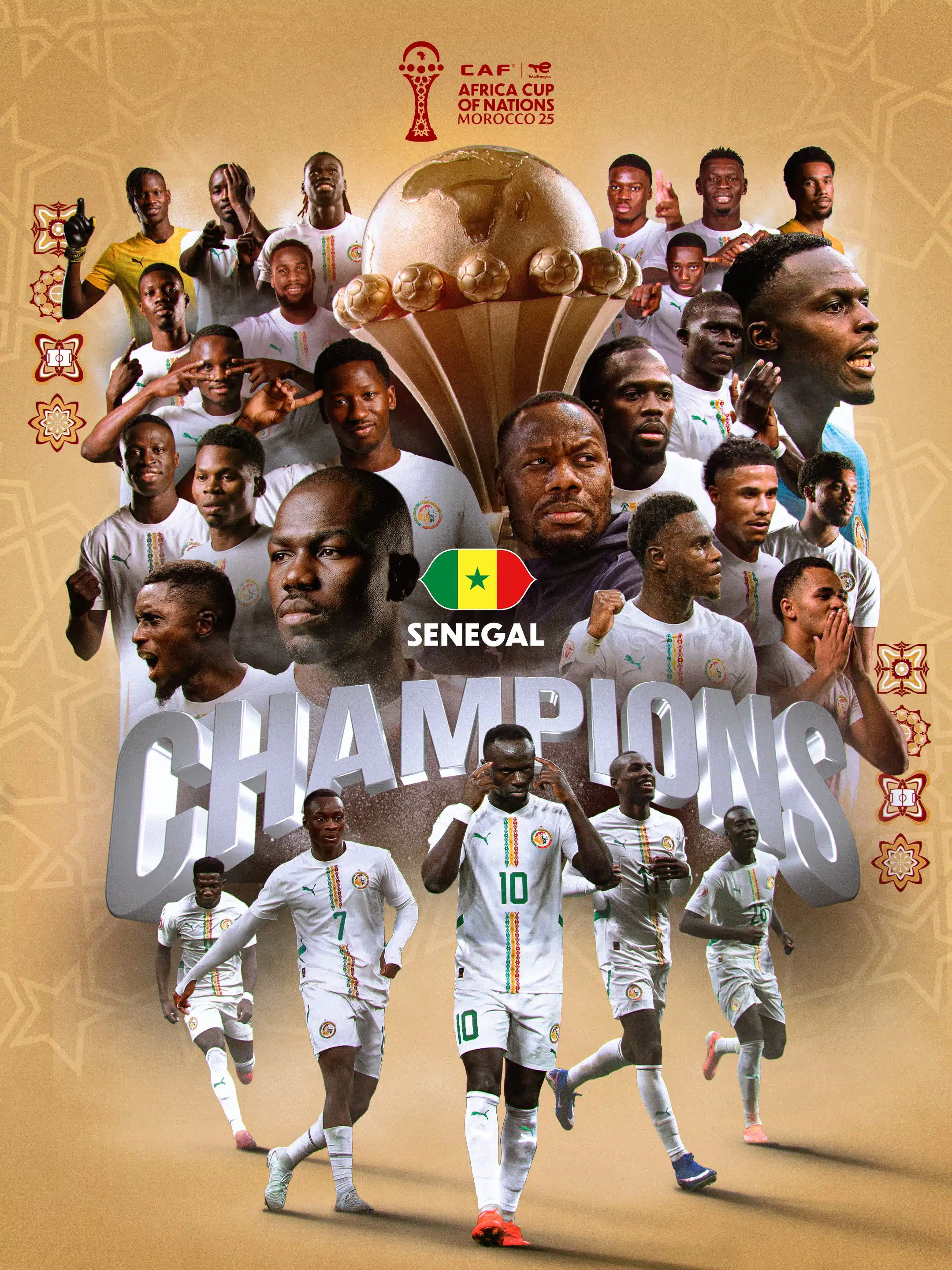
AFCON 2025: Fixtures, Results, Scores and Standings
Jan 18, 2026 -

Leadership and long-term vision key to rescuing Zamalek and inspiring Egyptian football – Hany Abou Rida
Nov 5, 2025 -

South African giants Orlando Pirates set to lose influential forward Monnapule Saleng
Mar 19, 2025 -

Full schedule for 2025 Africa Cup of Nations in Morocco confirmed
Feb 12, 2025
-

LIVE UPDATES: D.R Congo 1-0 Jamaica – 2026 FIFA World Cup Playoffs
Mar 31, 2026 -
Cameroon defeat China 2-0 in FIFA Series clash
Mar 31, 2026 -

Africa’s 2026 World Cup Teams: Fixtures and Results for March friendly games
Apr 1, 2026 -

Zimbabwe defender Teenage Hadebe dropped after code of conduct breach
Mar 30, 2026