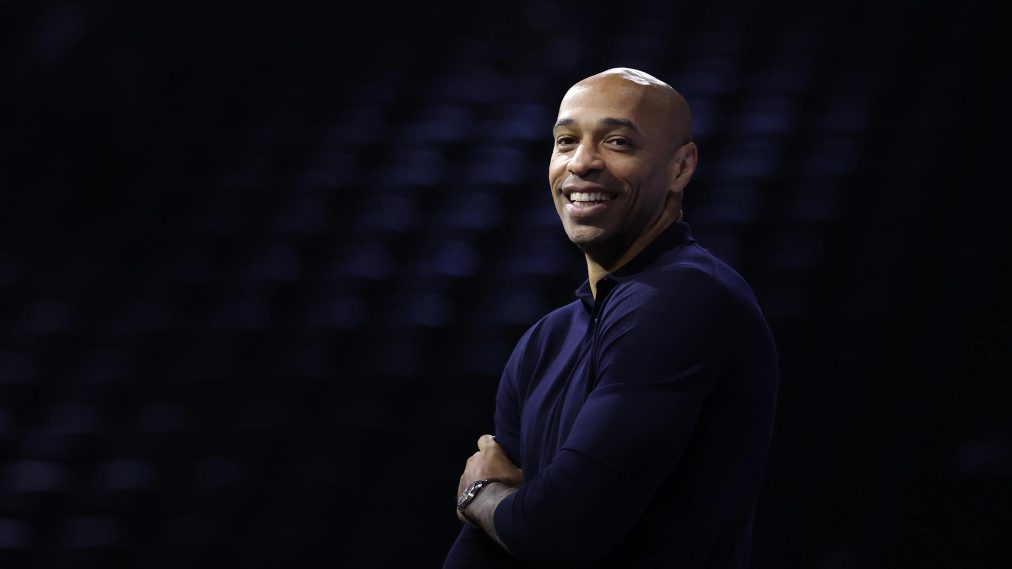
Thierry Henry is helping develop football boots made specifically for female players, in an attempt to address a long-standing gap in sports equipment and support the rapid growth of the women’s game.
The former France international is working on the project as football director at Swiss sportswear company On, according to Spanish newspaper Mundo Deportivo. The Arsenal legend and 1998 World Cup winner is part of the company’s plans to expand its presence in football through technological innovation and specialist equipment.
“There are female players wearing men’s boots, and that is not normal,” Henry said.
His comments highlight the continued reliance on products originally designed around the needs of male players. The initiative aims to create footwear that offers women a better fit and responds more closely to the demands of professional football.
Barcelona midfielder Sydney Schertenleib is involved in the development of On’s new products. Her contribution is intended to bring the experience of a professional player into the design process and help ensure the boots reflect the practical requirements of women on the pitch.
The project uses On’s LightSpray technology, which allows the creation of an extremely lightweight, seamless upper. The company believes the process can improve comfort, reduce weight and enhance performance during matches.
On is also looking towards the 2027 Women’s World Cup in Brazil as an important opportunity to introduce its new products to a global audience. The tournament is expected to provide a platform for the company to raise awareness of the range and strengthen its position in the international football market.
The move forms part of On’s wider strategy to establish itself in football. The Swiss company is working with high-profile figures including Kylian Mbappe, as well as Schertenleib, as it seeks to move beyond traditional sponsorship agreements and invest in technology and specialist product design.
Henry’s involvement reflects a broader argument that progress in women’s football should not be measured only through increasing attendances, investment or commercial interest. Improvements in the equipment available to players are also needed, particularly when existing products may not have been developed with them in mind.
The women’s football market has become a growing commercial opportunity for sportswear brands, and On hopes its focus on player-led development and new manufacturing technology will help it gain a stronger foothold.
For Henry, the project represents an effort to tackle a historic shortcoming in the game’s equipment. By placing female players at the centre of the design process, he is seeking to ensure that innovation in football also addresses the specific needs of the women who play it.
-
 FIFA U15 World Cup & Festival: DR Congo edged out by El Salvador in five-goal opener Oct 24, 2026
-
Azam FC v ZED FC: Predicted line-ups for CAF Confederation Cup tie Oct 24, 2026
-
CAF Confederation Cup: ZED FC target historic group-stage qualification against Azam FC Oct 24, 2026
-
CAF Confederation Cup: Club Sportif Sfaxien and Al-Ahli Tripoli target group-stage places Oct 24, 2026



-
AFCON 2025: Fixtures, Results, Scores and Standings Jan 18, 2026
-
Match hero Taiwo Awoniyi reflects on team effort after Chelsea triumph May 5, 2026
-
Leadership and long-term vision key to rescuing Zamalek and inspiring Egyptian football – Hany Abou Rida Nov 5, 2025
-
South African giants Orlando Pirates set to lose influential forward Monnapule Saleng Mar 19, 2025




-
Barcelona v Real Madrid: Catalans backed at 1.65 to win October Clasico Oct 23, 2026
-
PSG v Barcelona: fiery attacks set up Champions League classic at Parc des Princes Oct 18, 2026
-
Barcelona and Real Madrid meet in pivotal 265th Clasico Oct 23, 2026
-
Champions League: PSG beat Barcelona as Liverpool complete comeback against Villarreal Oct 20, 2026