There should be a revolution in African football – Former Egypt star Ahmed Hossam Mido
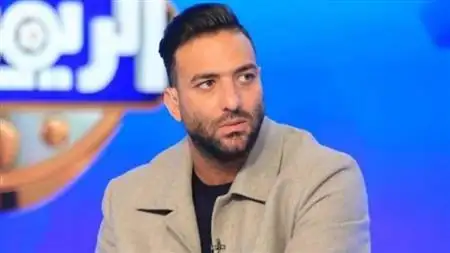
Former Egypt international Ahmed Hossam Mido has launched a scathing attack on the Confederation of African Football following its controversial decision to strip Senegal of the 2025 Africa Cup of Nations (AFCON) title and award it to Morocco.
The ruling, issued by Confederation of African Football (CAF), comes barely two months after the final, which Senegal had won 1-0 on the pitch.
CAF confirmed it had upheld an appeal lodged by the Moroccan federation regarding sanctions tied to the final tournament staged in Morocco between December and January.
CAF’s Appeals Committee subsequently ruled the final in favour of Morocco, awarding the Atlas Lions a 3-0 victory and effectively overturning Senegal’s triumph.
Reacting on social media, Mido did not hold back, branding CAF “a farce in every sense of the word” and accusing the organisation of long-standing dysfunction.
The former Tottenham striker extended his criticism to African football figures involved in CAF events, describing many as complicit in what he sees as systemic failure.
He went further, calling the decision “the biggest scandal in the history of football” and warning it risks deepening divisions across the continent.
Mido also aimed criticism at CAF president Patrice Motsepe, suggesting the ruling damages Africa’s global image.
Despite his strong stance, Mido stressed that his comments were not directed at Morocco or its people, noting his personal admiration and friendships within the country.
However, he insisted that results on the field must remain decisive, maintaining that Senegal were the rightful champions.
“You lost on the pitch. Senegal were the better team and deserved to be African champions,” he wrote, adding that titles should be won through performance rather than administrative decisions.
He concluded by stating he could not congratulate Morocco for a victory secured “in the offices, and not on the field,” underscoring the depth of frustration surrounding one of the most contentious rulings in recent African football history.
Popular News

-
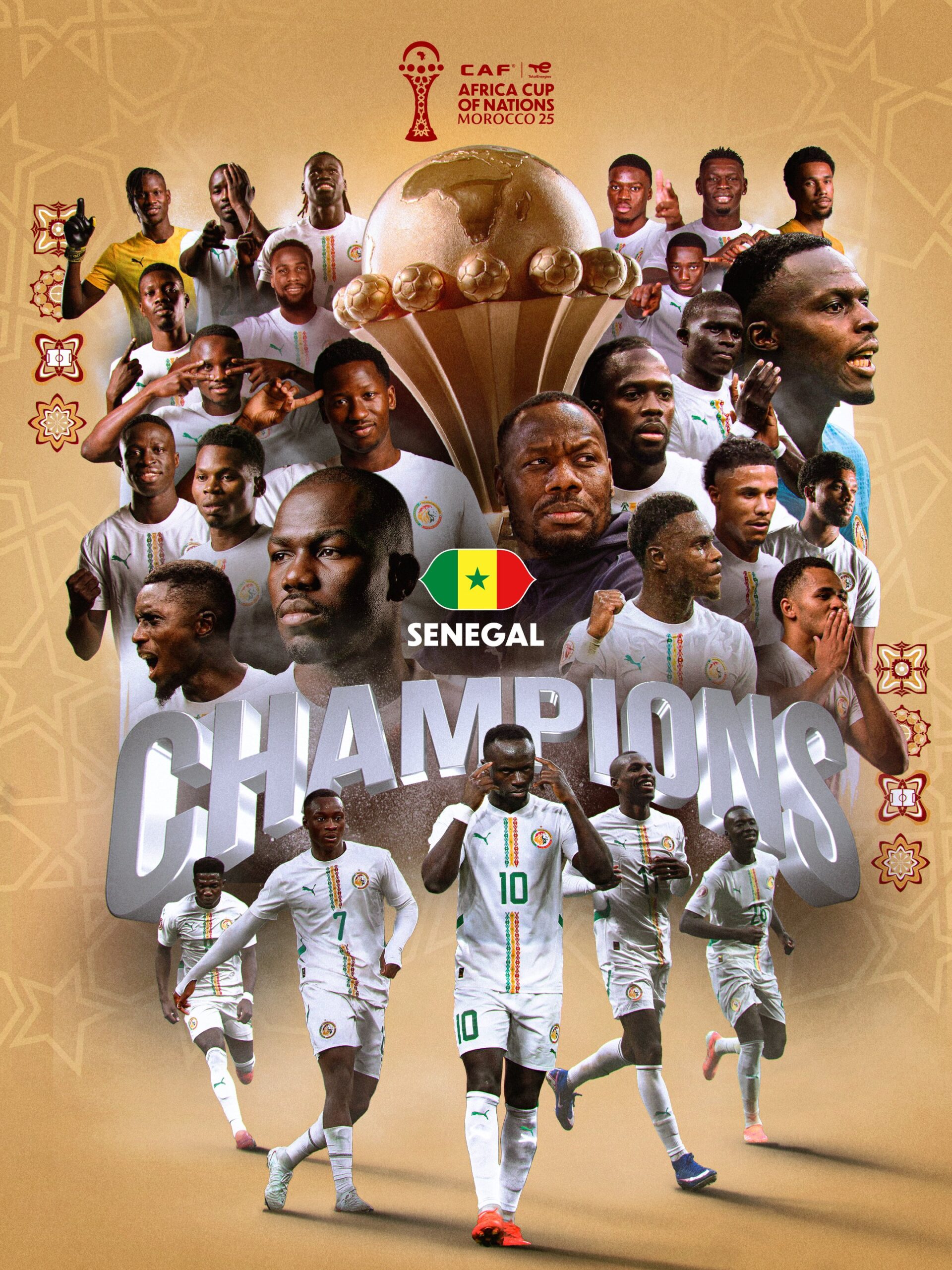
AFCON 2025: Fixtures, Results, Scores and Standings
Jan 18, 2026 -

Leadership and long-term vision key to rescuing Zamalek and inspiring Egyptian football – Hany Abou Rida
Nov 5, 2025 -

South African giants Orlando Pirates set to lose influential forward Monnapule Saleng
Mar 19, 2025 -

Full schedule for 2025 Africa Cup of Nations in Morocco confirmed
Feb 12, 2025
-
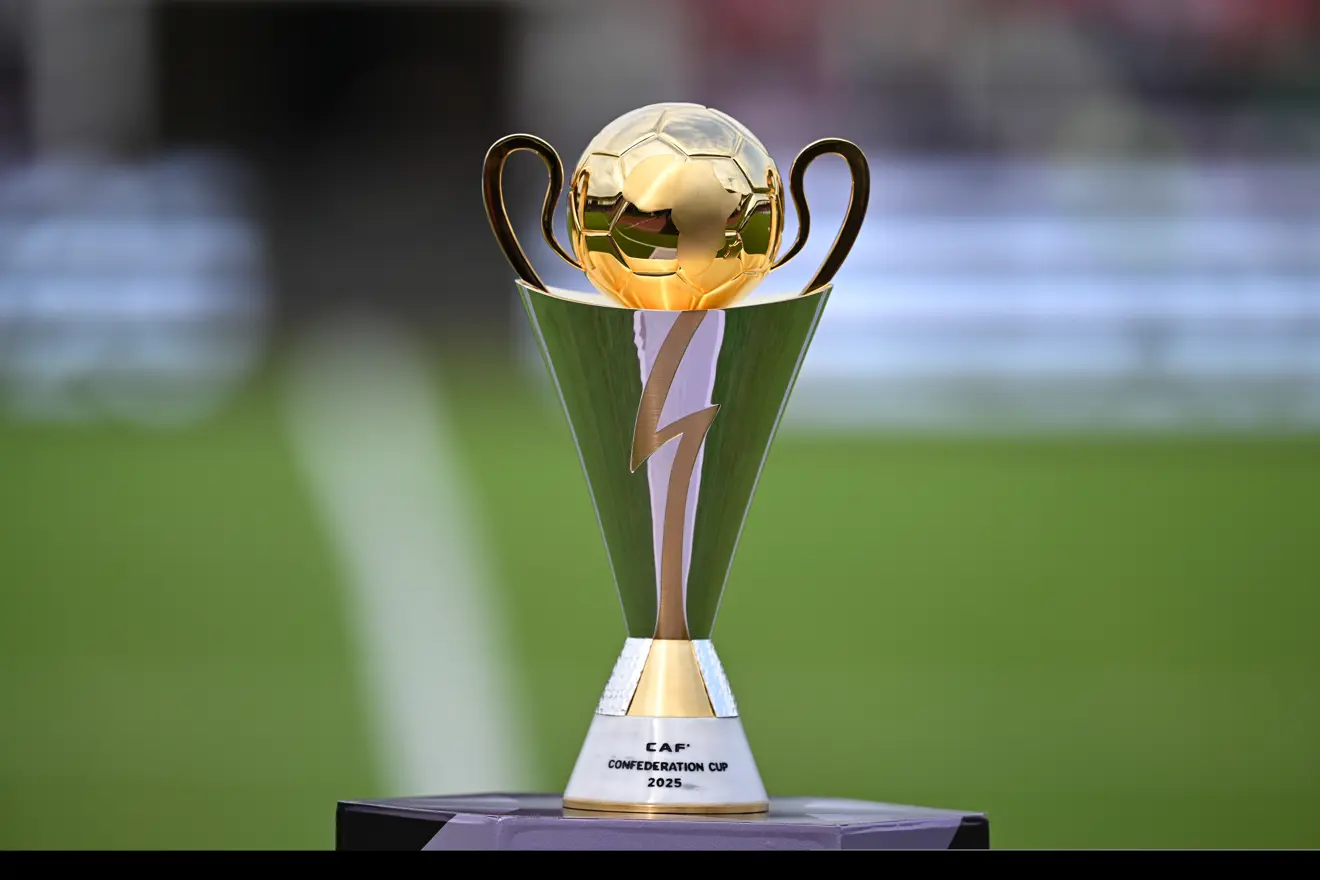
2025/26 CAF Confederation Cup: Fixtures, Results, Tables and Standings
Mar 21, 2026 -
2025/26 CAF Champions League: Fixtures, Results, Tables and Standings
Mar 21, 2026 -

World Cup 2026: South Africa fixtures and squad timeline revealed
Mar 21, 2026 -
Morocco vs Ecuador Friendly: Where and How to Watch
Mar 26, 2026