The Most Famous Smart Football Stadiums in the World

Smart stadiums are transforming the future of global football. As technology reshapes how fans watch, interact with, and even feel the sport, modern arenas are evolving far beyond seats, grass, and goalposts. Today’s top football venues are equipped with intelligent systems, high-speed connectivity, energy-saving infrastructure, and digital fan experiences that bring spectators closer to the action than ever before. Below, we explore the world’s most famous smart football stadiums and the cutting-edge features that make them stand out.
List of the Most Famous Smart Football Stadiums
Tottenham Hotspur Stadium – London, England

Often referred to as the world’s most advanced football arena, Tottenham Hotspur Stadium is a benchmark for innovation. It features full 5G coverage, more than 1,600 Wi-Fi access points, and a unique retractable turf system that allows the club to switch between football and American football events. Fans can access real-time stats, seat upgrades, loyalty rewards, and cashless payments through the club’s app. Smart turnstiles ensure fast entry, while AI-assisted security tools manage crowd flow and reduce wait times. The stadium also collects data to improve future matchday experiences, creating a seamless digital environment for supporters. And if you want the best football betting experience, our app https://mostbet-bd.org/app/ offers top-tier odds and features for every match.
Allianz Arena – Munich, Germany
Home to Bayern Munich, the Allianz Arena pioneered the idea of the smart stadium long before the term became mainstream. Its iconic exterior lights up in millions of LED color combinations, transforming the facade into one of the most recognisable visuals in world sport. Behind the scenes, environmental sensors optimise energy usage and climate control, while digital signage and an intelligent security system guide fans through the venue. Smart turf management keeps the playing surface in perfect condition year-round. Today, Allianz Arena continues to upgrade its network and data systems, ensuring it remains a European leader in stadium technology.
Etihad Stadium – Manchester, England

Manchester City’s Etihad Stadium is the centerpiece of City Football Group’s tech-driven philosophy. The arena uses IoT sensors to monitor crowd movement, boost operational efficiency, and enhance safety. Fans receive personalised notifications via connected apps, including queue alerts, food locations, and live match analytics. The stadium integrates with the wider Etihad Campus, which includes training centres and educational hubs, all supported by the same digital ecosystem. With AI forecasting matchday patterns and sustainability features reducing waste and energy usage, Etihad Stadium is often described as a “living sports laboratory.”
SoFi Stadium – Los Angeles, USA

Though home to NFL teams, SoFi Stadium will be a major venue for the FIFA World Cup 2026, making it one of the most important football stadiums in the coming decade. Its massive 4K video board — a double-sided, ring-shaped screen — ensures fans never miss a moment. Every seat in the venue connects to a high-speed wireless network, and a mobile app enables everything from parking to concessions. Smart temperature systems and digital crowd mapping tools streamline visitor flow, while immersive AR displays enhance pre-game entertainment. SoFi represents the new age of global sports architecture.
Allegiant Stadium – Las Vegas, USA
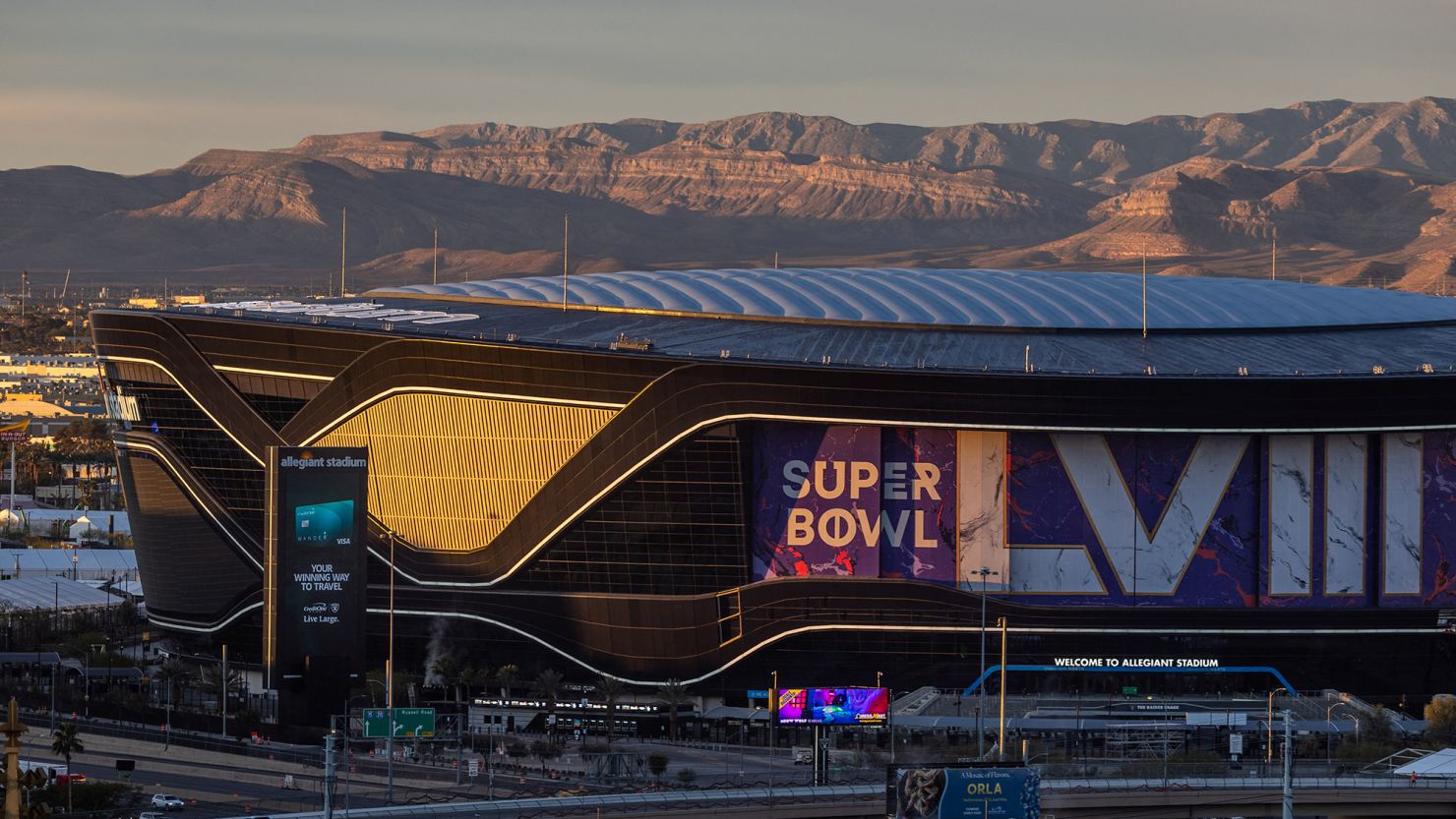
Another World Cup 2026 host, Allegiant Stadium is known for its all-digital experience. Visitors rely almost entirely on contactless systems for payments, access, and wayfinding. The stadium employs sensor-driven ventilation and energy control, significantly lowering consumption in the harsh Nevada climate. Paired with AI monitoring tools and integrated security technology, Allegiant offers a safe, efficient matchday environment. Its smart infrastructure allows operators to scale resources dynamically based on attendance, further setting the standard for modern multi-use arenas.
Lusail Iconic Stadium – Qatar
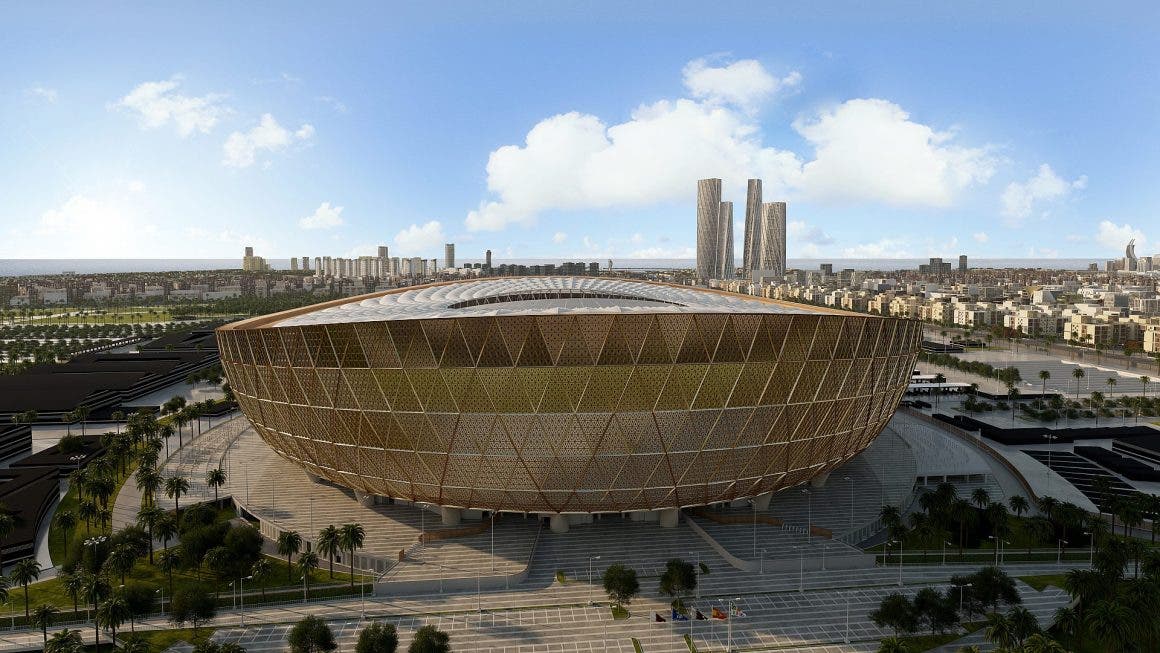
The flagship stadium of the FIFA World Cup 2022, Lusail combines smart functionality with bold architectural flair. The arena uses an advanced cooling system to maintain comfortable temperatures in extreme heat. Thousands of cameras and digital scanners help manage movement, while smart ticketing and digital transport coordination minimise congestion. Many of these innovations were developed specifically for the tournament and now serve as templates for stadiums across Asia, Africa, and Europe. Lusail embodies how technology can solve complex environmental and operational challenges.
Why Smart Stadiums Matter?
The rise of these venues represents more than convenience — it reflects a new era of global football culture. Smart stadiums deliver:
- enhanced safety and security
- smoother matchday logistics
- personalised fan experiences
- real-time engagement through apps, screens, and AR
- more efficient energy use and sustainability
- increased revenue streams for clubs and leagues
As World Cup 2026 approaches, more countries are investing in digital stadium upgrades. Fans can expect immersive experiences, richer data insights, and new ways to participate in the sport they love.
From London to Los Angeles and Munich to Qatar, smart stadiums are shaping the future of live sports. They prove that the modern football experience is not just about players and goals — it is about innovation, technology, and building unforgettable environments for fans around the world.The Most Famous Smart Football Stadiums in the World
Popular News




-

AFCON 2025: Fixtures, Results, Scores and Standings
Jan 18, 2026 -

Leadership and long-term vision key to rescuing Zamalek and inspiring Egyptian football – Hany Abou Rida
Nov 5, 2025 -

South African giants Orlando Pirates set to lose influential forward Monnapule Saleng
Mar 19, 2025 -

Full schedule for 2025 Africa Cup of Nations in Morocco confirmed
Feb 12, 2025