Ten little-known AFCON facts
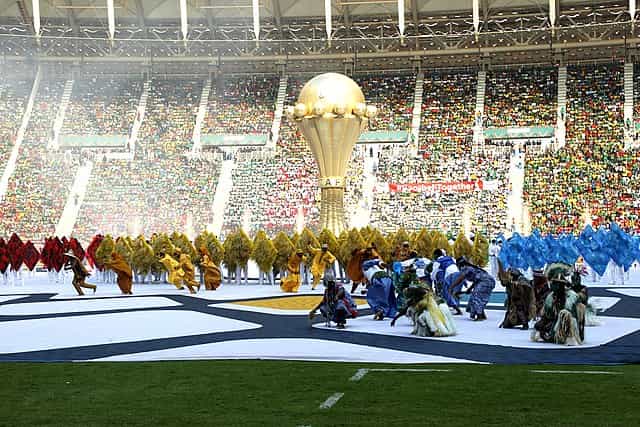
The Africa Cup of Nations has been the heartbeat of African football for more than six decades. It is a tournament packed with passion drama rivalry and talent.
Every edition produces new heroes unforgettable goals emotional triumphs and unexpected twists.
But beneath the surface lies an incredible vault of history filled with moments that many fans have never encountered.
This feature takes each of the ten little known facts and expands them into a detailed evergreen look at the AFCON’s hidden side.
Whether you are a long time follower or a newcomer to African football these stories reveal a new layer of appreciation for the continent’s most celebrated tournament.
Ghana Earned the Right to Keep the Original AFCON Trophy in 1978

When Ghana lifted the trophy in 1978 it was not just another victory.
It completed a historic achievement that granted the Black Stars permanent ownership of the first ever AFCON trophy.
They had won the competition in 1963 1965 and 1978 reaching the mark set by CAF for permanent retention.
Why This Moment Still Matters
This achievement symbolised Ghana’s dominance in the first decades of African football. The trophy became a national treasure and it remains a powerful reminder of the era when Ghana’s tactical organisation and exceptional talent made them the team to beat across the continent.
Many fans today do not realise that the trophy being lifted by modern champions is a different one because Ghana’s success retired the original design.
Shiva N Zigou Became the Youngest Goalscorer in AFCON History at Sixteen

In 2000 Gabon’s Shiva N Zigou etched his name into history with a moment of brilliance.
At only sixteen years and ninety three days old he became the youngest player ever to score in the Africa Cup of Nations.
A Record That Says Much About AFCON’s Spirit
Young players often emerge at AFCON. The tournament has been a gateway for African teenagers to announce themselves on an international stage.
But even with legendary names like Samuel Eto o Kelechi Iheanacho and Mohamed Salah none scored at an age as early as N Zigou.
His record shows how AFCON not only celebrates established stars but also introduces the world to new generations of African talent.
Hossam Hassan Set the Record as the Oldest Goalscorer at Thirty Nine
In 2006 one of Egypt’s greatest forwards Hossam Hassan scored during the AFCON at thirty nine years and one hundred seventy four days.
That goal made him the oldest scorer in the tournament’s history a record he still holds today.
What His Record Represents
Hassan’s longevity is a reflection of two things
the professionalism of African greats and the emotional connection players feel toward representing their nation.
His contribution during Egypt’s golden era also demonstrated that experience can be as valuable as youth.
Even as the game evolved Hassan remained a clinical finisher and a leader whose age never hindered his influence.
Laurent Pokou Scored Five Goals in a Single AFCON Match in 1970

Few performances in international football compare to what Laurent Pokou did in 1970.
The Ivory Coast forward scored five goals in a six to one victory over Ethiopia.
It is still the highest individual tally in a single AFCON match.
Why Pokou’s Display Remains Unmatched
Football has changed significantly with better defensive structures and tighter tactics. The chances of a single player scoring five goals in one AFCON match again are extremely rare.
Pokou’s accomplishment showcased raw attacking instinct superb positioning and an understanding of space that few African forwards have replicated. He remains one of Africa’s most underrated footballers even though he belongs firmly in discussions about the tournament’s greatest ever players.
Only Egypt Ghana and South Africa Have Won the Tournament on Their Debut
It is remarkably difficult to win the AFCON at the first attempt. Only three nations have done so.
Egypt 1957
Won the inaugural edition.
Ghana 1963
Announced their football powerhouse status in their very first appearance.
South Africa 1996
Lifted the trophy in an emotionally charged tournament played just two years after apartheid’s end.
The Power of These Debut Wins
These victories marked important historical moments. South Africa’s in particular carried cultural weight. The joy of that 1996 triumph still resonates deeply in the country’s football identity.
The First AFCON Featured Only Three Teams in 1957
The tournament’s beginning was modest with only Egypt Ethiopia and Sudan taking part. This early format was shaped by politics limited infrastructure and the early stages of organised continental football.
How AFCON Grew Beyond Its Humble Start
From those three nations the tournament expanded dramatically. The introduction of qualifiers increased participation and the explosion of African football talent turned the competition into one of the world’s most celebrated international tournaments.
Today AFCON includes twenty four teams and attracts massive global audiences. Few fans know how small it was in its early days which makes its growth even more impressive.
The First Goalless Opening Match Happened Only in 2013
This fact surprises many fans. No AFCON opening match ended without goals for more than half a century.
The first 0 to 0 draw finally arrived in 2013 when South Africa and Cape Verde played a cagey opener.
A Symbol of Tactical Evolution
Earlier editions of AFCON were known for free flowing attacking football.
Goals were abundant and opening games often set the tone for exciting tournaments.
The 2013 goalless draw reflected a shift in tactical approaches.
African teams had become more defensively disciplined and tactically structured influenced heavily by coaching trends from Europe and North Africa.
Ndaye Mulamba Still Holds the Record of Nine Goals in a Single Tournament
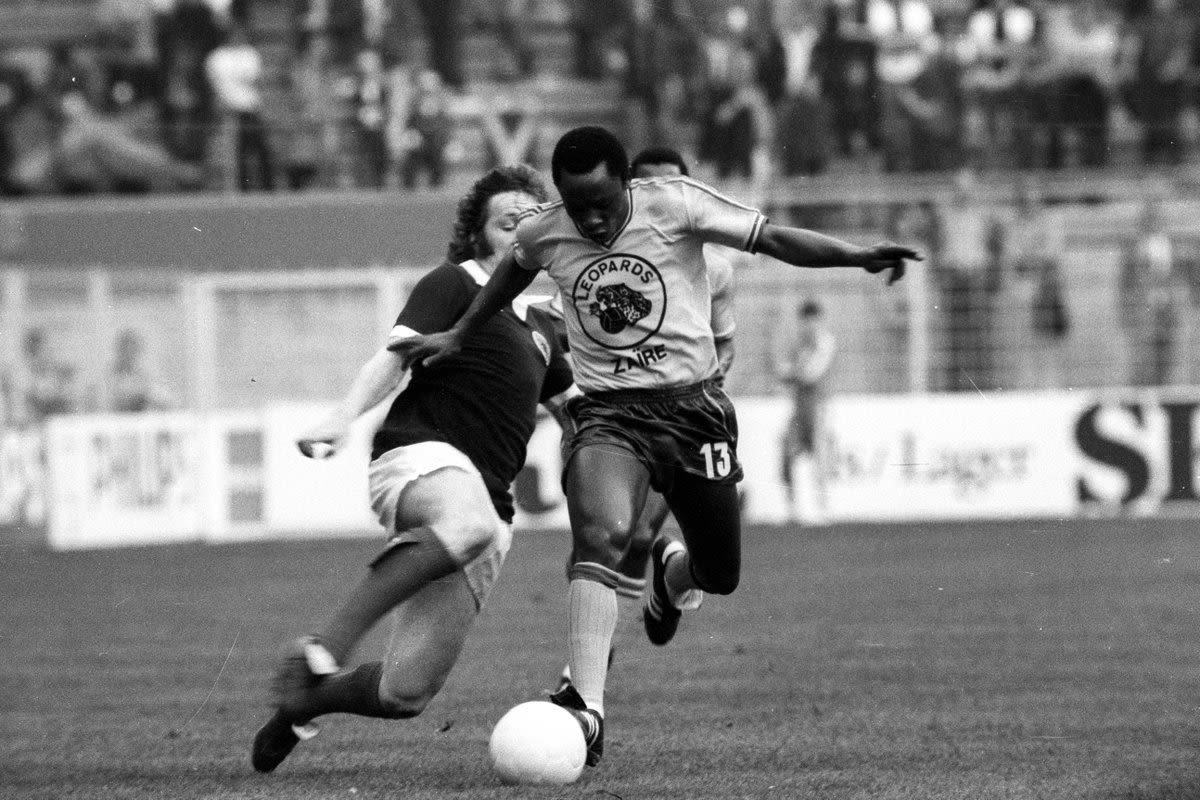
In 1974 DR Congo’s Ndaye Mulamba scored nine goals in one AFCON. No player before or since has matched that incredible tally.
A Record That Defines Excellence
Mulamba’s performance played a major role in DR Congo’s title win.
His combination of speed finishing and positional awareness made him unstoppable during that edition.
Even when compared with modern greats like Samuel Eto o and Rashidi Yekini Mulamba’s record stands at a level untouched by any other African striker.
Rigobert Song and Ahmed Hassan Each Played in Eight AFCON Tournaments
Two iconic leaders from two different football cultures share a remarkable record. Rigobert Song of Cameroon and Ahmed Hassan of Egypt appeared in eight AFCON editions from 1996 to 2010.
The Rare Longevity Behind This Milestone
Playing in eight editions requires exceptional consistency physical endurance mental resilience and national importance. Both men served as captains leaders and role models throughout their careers.
This record speaks to their enduring influence and their enormous contributions to African football.
AFCON 2023 Was Almost Delayed Due to a Last Minute Broadcast Deal
Few fans know that the entire tournament was at risk of disruption because CAF finalised a major broadcast agreement only three days before the first match. This was one of the closest calls in AFCON history.
What This Reveals About Modern Football
Broadcast rights are vital for finances marketing and global visibility.
The near disruption highlighted the complexity of organising a continental tournament with many stakeholders involved.
Despite the challenge the competition kicked off on time illustrating the determination behind African football administration.
Why These Ten Hidden Facts Define AFCON’s Legacy
These little known pieces of AFCON history show that the tournament is much more than matches and trophies.
It is a living archive of African culture pride and sporting greatness.
The records moments and stories behind these ten facts highlight the depth richness and drama that make AFCON a treasured part of world football.
From teenage heroes to veteran legends from tiny beginnings to massive global audiences AFCON continues to grow while the stories woven across its history help preserve its identity for future generations.
Popular News



-
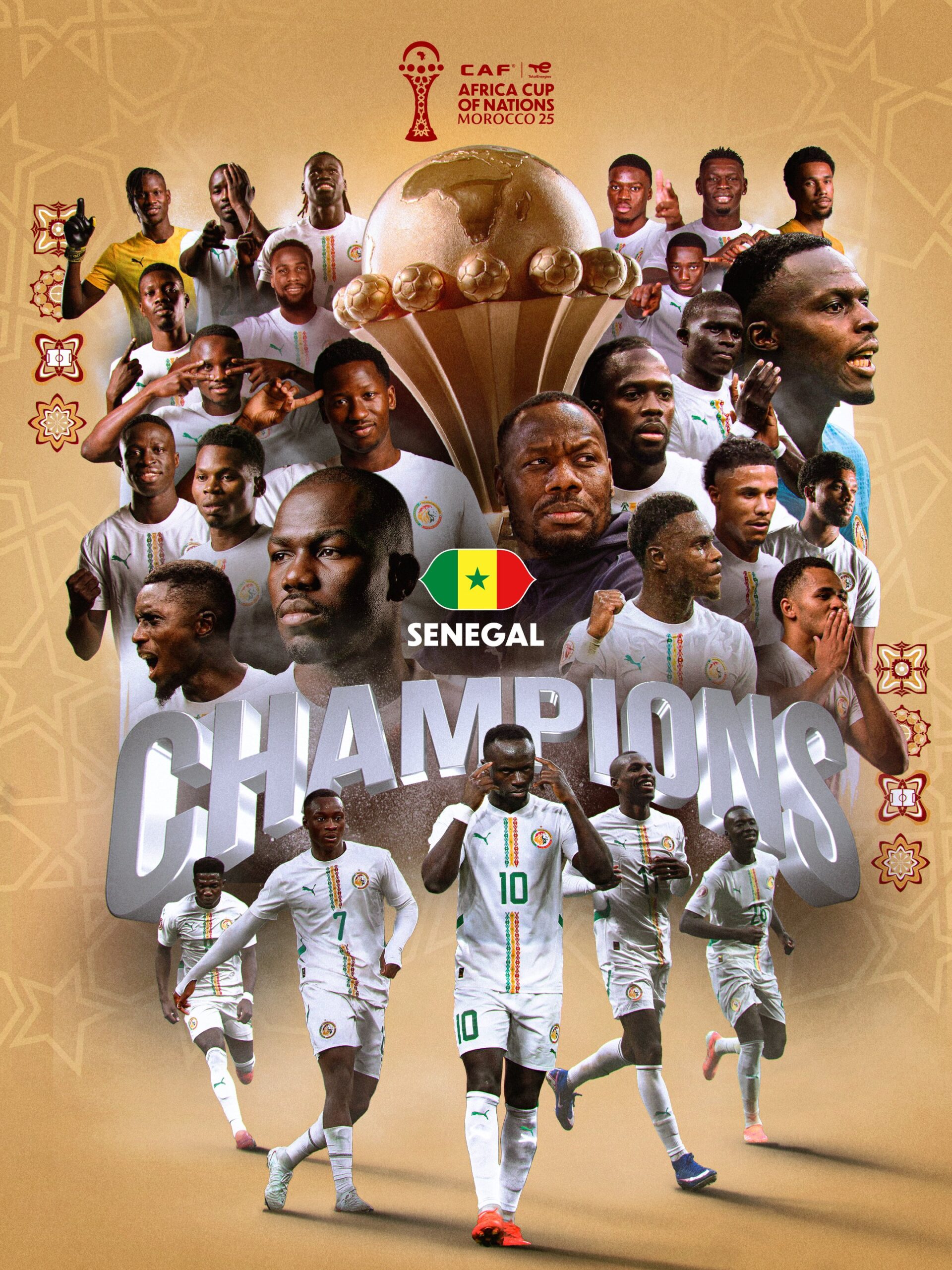
AFCON 2025: Fixtures, Results, Scores and Standings
Jan 18, 2026 -

Leadership and long-term vision key to rescuing Zamalek and inspiring Egyptian football – Hany Abou Rida
Nov 5, 2025 -

South African giants Orlando Pirates set to lose influential forward Monnapule Saleng
Mar 19, 2025 -

Full schedule for 2025 Africa Cup of Nations in Morocco confirmed
Feb 12, 2025