
Spain-Morocco tunnel ruled out for 2030 World Cup after feasibility setback
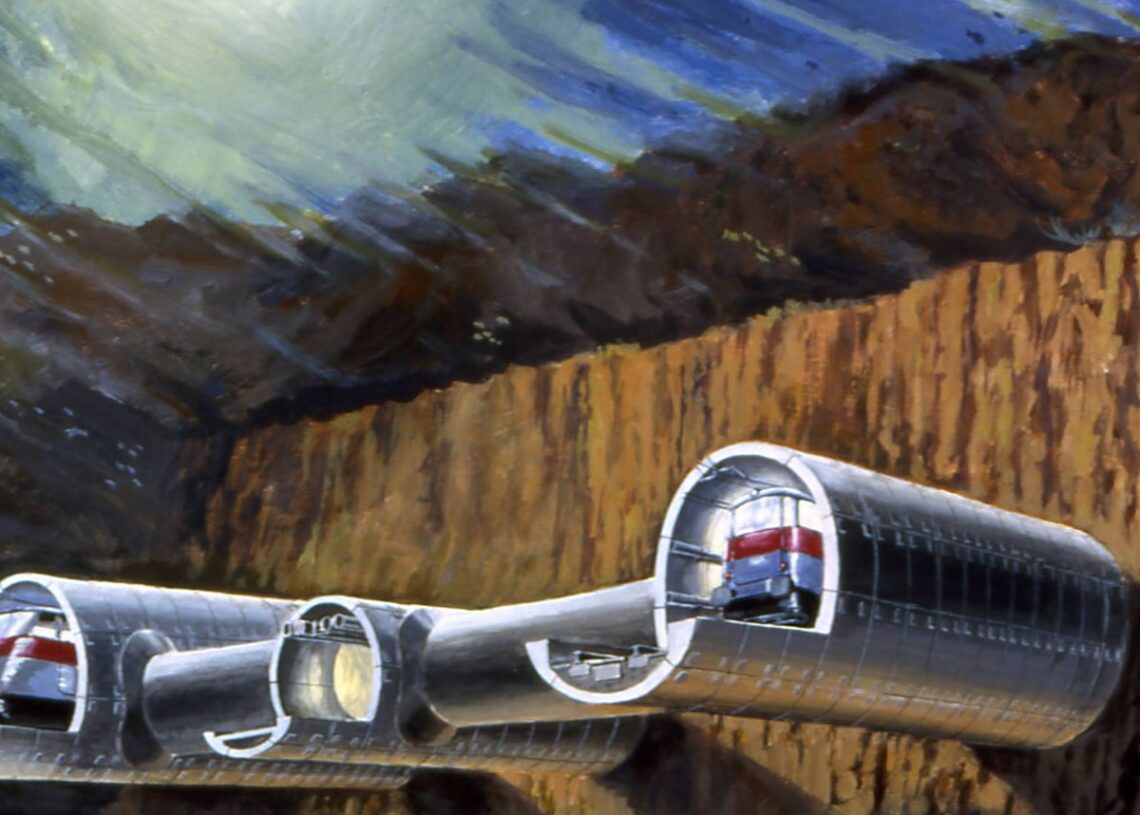
Plans for a fixed link between Spain and Morocco will not be realised in time for the 2030 FIFA World Cup, after a new technical study concluded the project cannot be operational before 2035, and potentially as late as 2040.
The assessment, commissioned by Spain’s Company for Studies on Fixed Communication across the Gibraltar Strait and carried out by German engineering firm Herrenknecht, effectively removes any prospect of the tunnel playing a role in World Cup connectivity.
While the report confirms that a tunnel beneath the Strait of Gibraltar is technologically feasible, it makes clear that timelines initially associated with the 2030 tournament are unattainable due to the scale and complexity of the work required.
Geological barriers outweigh engineering solutions
Herrenknecht’s findings underline that the principal obstacles are geological rather than technical. The Camarinal threshold, a particularly sensitive section of the strait, presents unstable seabed conditions dominated by flysch formations that complicate drilling operations.
These challenges necessitate prolonged exploratory phases, advanced seismic analysis and the construction of preliminary test tunnels before any main excavation can begin.
Such requirements significantly extend the project schedule and demand specialised tunnel boring machines adapted to extreme depth and pressure. As a result, construction timelines now stretch well beyond earlier projections.
Strategic value beyond football
The delay has implications that reach far beyond sporting considerations. Spain, Morocco and the European Union have long viewed the tunnel as a transformative piece of infrastructure capable of reshaping continental freight flows and reinforcing Europe’s position in a corridor where global commercial and strategic interests intersect.
A fixed link would integrate Morocco into the European rail network, creating a continuous logistics chain between Madrid, Rabat and Casablanca, while strengthening the Mediterranean’s role as a gateway between Africa and Europe. Those advantages, however, remain firmly long-term.
Shifting regional dynamics
In the interim, Morocco is pressing ahead with ambitious railway modernisation projects and deepening strategic partnerships with the United States, France and Israel. This momentum has fuelled unease in Madrid, where policymakers are increasingly conscious of Rabat’s growing regional influence and the gradual erosion of Spain’s traditional leverage in North Africa.
The Strait of Gibraltar, named after the Amazigh commander Ṭāriq ibn Ziyād, remains one of the world’s most sensitive maritime chokepoints, carrying immense historical and geopolitical weight.
Security and cost considerations
The report notes that the tunnel could eventually enhance security cooperation through improved submarine monitoring, maritime awareness and protection of critical infrastructure.
Until then, Spain and the EU must continue to rely on naval and air dominance, reinforced surveillance against hybrid and cyber threats, and close coordination with NATO allies, with Morocco remaining a central partner in regional stability.
Financially, the Spanish side of the project already exceeds €8.5 billion, with costs expected to rise as studies deepen. Funding will depend on European support, state contributions and potential revenues from logistics and telecommunications services, placing further pressure on long-term planning rather than near-term delivery.
Popular News
-
 Mar 17, 2026
 -

Al Hilal slams referee after controversial draw against RS Berkane in CAF Champions League quarterfinal
Mar 17, 2026 -

AC Milan weigh selling Rafael Leao following breakdown with manager Allegri
Mar 17, 2026 -

Michael Kayode thrilled with first goal but admits Brentford ‘very disappointed’ after Wolves draw
Mar 17, 2026
-

AFCON 2025: Fixtures, Results, Scores and Standings
Jan 18, 2026 -

Leadership and long-term vision key to rescuing Zamalek and inspiring Egyptian football – Hany Abou Rida
Nov 5, 2025 -

South African giants Orlando Pirates set to lose influential forward Monnapule Saleng
Mar 19, 2025 -

Full schedule for 2025 Africa Cup of Nations in Morocco confirmed
Feb 12, 2025
-

2025/26 CAF Confederation Cup: Fixtures, Results, Tables and Standings
Mar 15, 2026 -

2025/26 CAF Champions League: Fixtures, Results, Tables and Standings
Mar 15, 2026 -

Real Madrid eye €160m deal for French-Nigerian Michael Olise
Mar 16, 2026 -

Kaizer Chiefs weigh Fernando da Cruz return as head coach talks emerge
Mar 11, 2026